 ultimate-guide
Activewear for Multi-Sport Athletes: A 2026 Guide
Table of Contents
- Why Multi-Sport Athletes Need Specialized Activewear
- Best Moisture-Wicking Fabrics for Athletes
- Padel Tennis Apparel Requirements
- How to Layer Activewear for Outdoor Sports
- Anti-Chafing, Seam Construction and Comfort
- Activewear Care and Maintenance Tips
- Sizing, Fit and Versatility Across Sports
- Conclusion
Last Updated: August 22, 2026
Why Multi-Sport Athletes Need Specialized Activewear
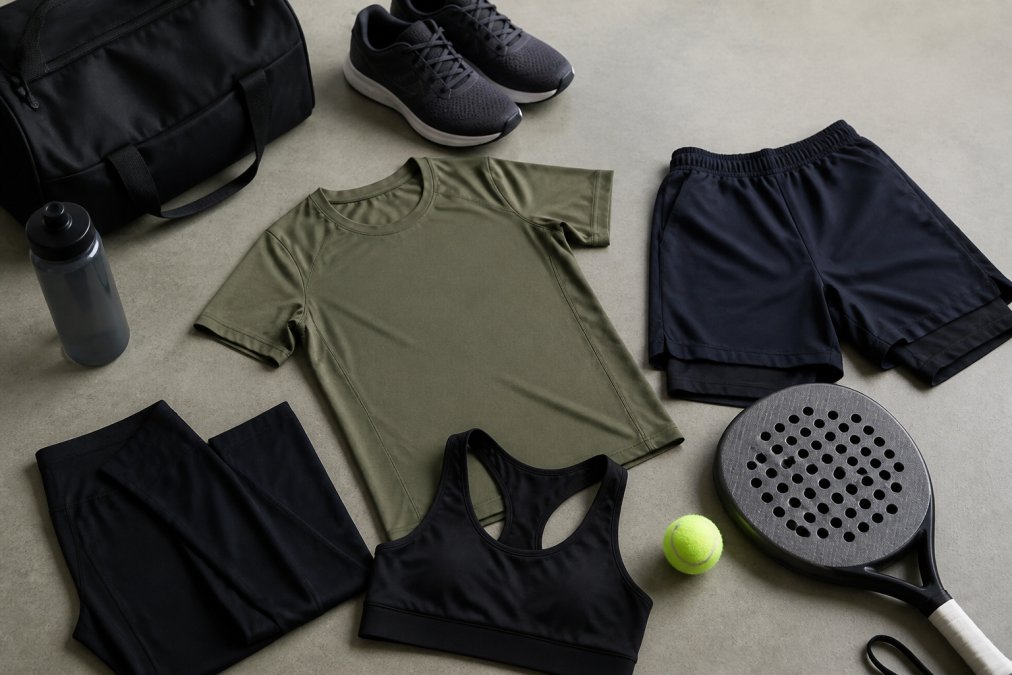
Multi-sport athletes face a unique challenge: their bodies demand different things from their clothing depending on the activity. A Padel tennis player needs court-specific durability on Tuesday, transitions to gym compression on Wednesday, then runs on the weekend where breathability matters most.
Generic activewear excels at one thing and fails at another. A moisture-wicking base layer designed for running might lack durability for court sports. A compression top built for recovery might feel restrictive during high-intensity gym sessions.
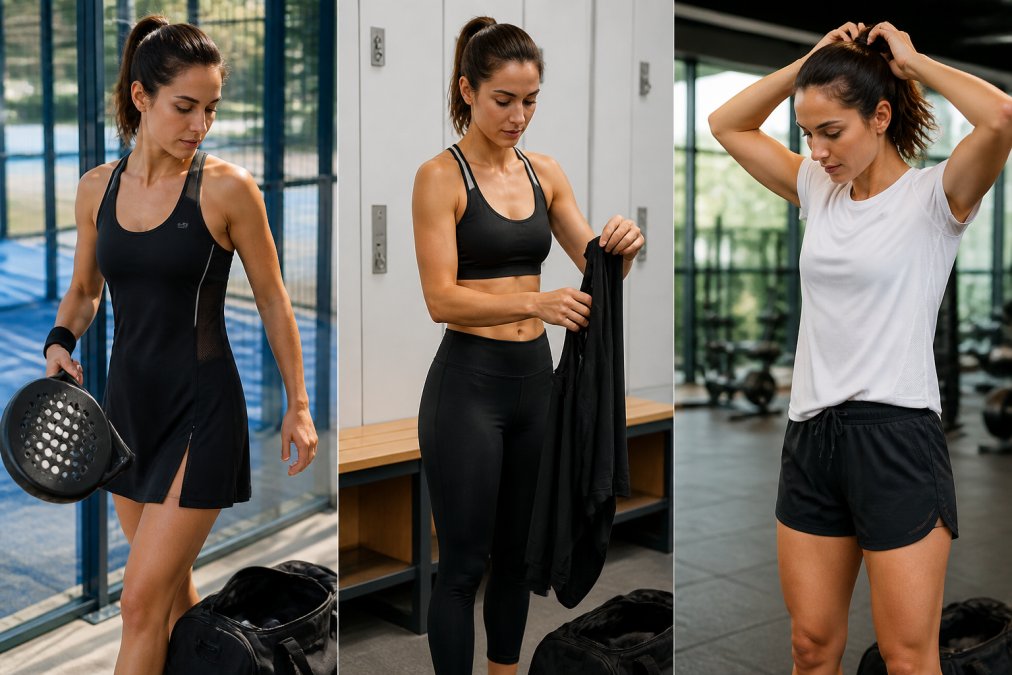
The best activewear for multi-sport athletes combines multiple performance features into a single garment. Four-way stretch fabric allows full range of motion across activities. Anti-chafing seam construction prevents discomfort during any sport. Thermal regulation technology adapts to different intensities and environments.
REVIVE Activewear and Apparel has built its entire approach around this reality. Rather than creating sport-specific pieces that sit unused most weeks, REVIVE designs activewear that performs reliably across gym workouts, running, yoga, and Padel tennis. This versatility means you're investing in pieces that work harder because they're engineered to handle multiple demands.
Best Moisture-Wicking Fabrics for Athletes
Moisture-wicking is the foundation of performance activewear. Sweat moves away from your skin toward the outer surface of the fabric where it can evaporate. What varies dramatically is how efficiently different materials accomplish this.
Synthetic fibres vs natural blends
Synthetic fibres like polyester and nylon dominate performance activewear because they excel at rapid moisture transport and dry significantly faster than natural alternatives (peer-reviewed research). A polyester-based fabric moves sweat away from your skin in seconds, which matters during high-intensity training (peer-reviewed research).
Polyester also provides superior durability under repeated washing and intense activity. For athletes cycling through multiple sports weekly, this durability translates directly to longer garment lifespan.
Natural blends, typically cotton mixed with performance synthetics, offer softer feel and better temperature regulation in moderate conditions. However, cotton absorbs moisture rather than moving it away, which becomes problematic during sustained high-intensity activity.
For multi-sport athletes, synthetic-dominant fabrics (80% polyester or higher) are the better choice because they perform consistently across different activity types and intensities.
Four-way stretch and recovery benefits
Four-way stretch fabric, which stretches in all directions including diagonally, accommodates the complex movements required in Padel tennis, CrossFit, and dynamic yoga. Unlike traditional two-way stretch, four-way stretch allows full range of motion without restriction.
Compression integrated into four-way stretch garments provides gentle support to muscles during activity and recovery, enhancing blood flow without restricting movement (peer-reviewed research). Athletes using compression activewear often report faster recovery between sessions and reduced muscle soreness.
For multi-sport athletes, four-way stretch performs equally well whether you're making explosive lateral movements on court or holding static poses.
Padel Tennis Apparel Requirements
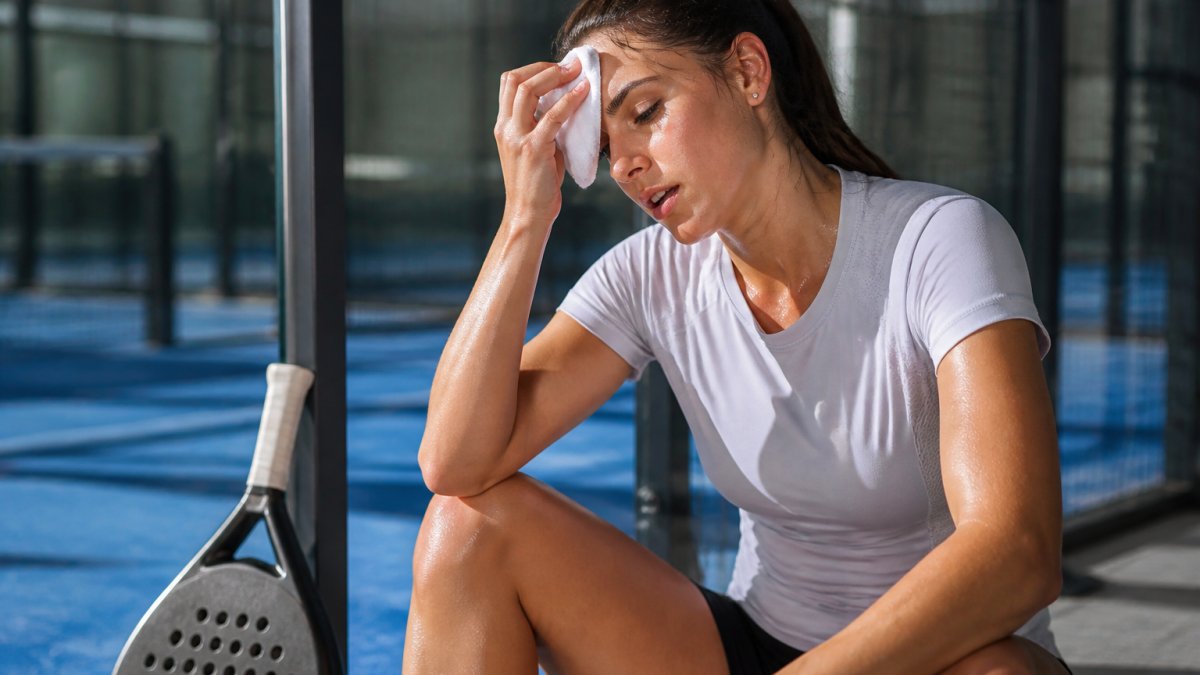
Padel tennis demands specific performance characteristics. The game combines explosive lateral movements, quick directional changes, and sustained rallies on hard court surfaces where impact forces are significant.
Court-specific durability and impact resistance
Court sports require activewear that withstands repeated friction against hard surfaces. Standard activewear fabric degrades quickly, developing pilling and tears within weeks.
Padel-specific apparel uses reinforced fabric panels in high-contact zones, typically the hip, thigh, and shoulder areas. These reinforced sections use tighter weaves without adding bulk to the entire garment.
Impact resistance in Padel involves sudden lateral forces and abrupt directional changes. The fabric needs to maintain integrity during explosive movements while providing breathability and moisture-wicking necessary for warm conditions.
REVIVE's Padel tech designs specifically address these requirements. Reinforced seams in stress zones, strategic fabric weighting in high-friction areas, and anti-chafing construction in areas where gear makes repeated contact with skin separate adequate Padel apparel from gear that actually performs.
How to Layer Activewear for Outdoor Sports
Layering strategy transforms activewear from seasonal-specific gear into year-round performance clothing. Each layer serves a distinct function, and the combination adapts to changing conditions.
Thermal regulation and seasonal transitions
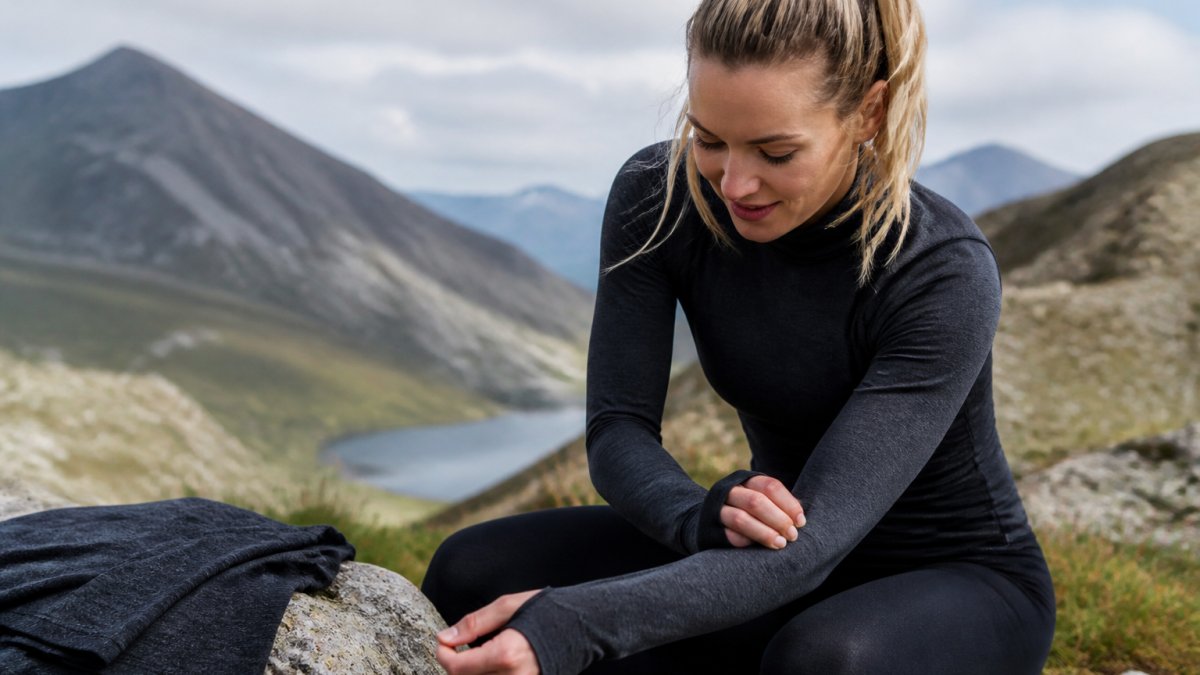
The base layer sits against your skin and manages moisture using synthetic-dominant, moisture-wicking fabric. The mid layer provides insulation without bulk; merino wool blends excel here, offering natural temperature regulation across a wider range than standard synthetics. The outer layer handles wind and light weather protection with breathable wind resistance that doesn't trap heat.
Rather than swapping your entire wardrobe seasonally, adjust your layering system. In spring and autumn, use a base layer plus lightweight mid-layer. In summer, just the base layer. In winter, all three layers. This approach means your core pieces work across multiple seasons, reducing total activewear investment while maintaining performance.
Anti-Chafing, Seam Construction and Comfort
Chafing separates adequate activewear from gear you actually want to wear repeatedly. Persistent chafing can derail training plans and make multi-sport training miserable.
Standard flat-lock seams reduce but don't eliminate chafing. Better construction uses seamless panels in high-friction zones or bonded seams where fabric edges are sealed rather than stitched. Some activewear incorporates smooth, low-friction fabric surfaces in areas prone to chafing, typically the underarm, inner thigh, and anywhere straps make repeated contact.
If you're experiencing chafing during any activity, your activewear isn't performing at the level you need. Quality activewear should allow you to train hard without managing friction-related discomfort.
Activewear Care and Maintenance Tips
How you maintain your activewear directly determines how long it performs. Technical fabrics require different care than standard cotton clothing.
Wash activewear in cold water with minimal detergent. Hot water breaks down elastic fibres and synthetic materials faster. Use a technical fabric wash specifically formulated for activewear, or use significantly less standard detergent.
Avoid fabric softener entirely. It coats the fabric surface and interferes with moisture-wicking. Dry activewear on low heat or air dry whenever possible. High heat degrades elastic fibres and causes permanent shrinkage. Wash activewear inside out to protect the outer surface from friction damage and reduce pilling. Don't wash immediately after wearing if possible; allow it to air out first to reduce wash cycles.
| Maintenance Task | Frequency | Impact |
|---|---|---|
| Wash in cold water | Every wear | Preserves elastic fibres |
| Use technical fabric wash | Every wash | Maintains moisture-wicking |
| Air dry or low heat | Every wash | Prevents shrinkage and degradation |
| Wash inside out | Every wash | Reduces pilling and surface damage |
| Avoid fabric softener | Always | Preserves moisture-wicking capability |
Sizing, Fit and Versatility Across Sports
Getting sizing right is non-negotiable for multi-sport activewear. Ill-fitting gear creates chafing, restricts movement, and defeats the purpose of investing in technical apparel.
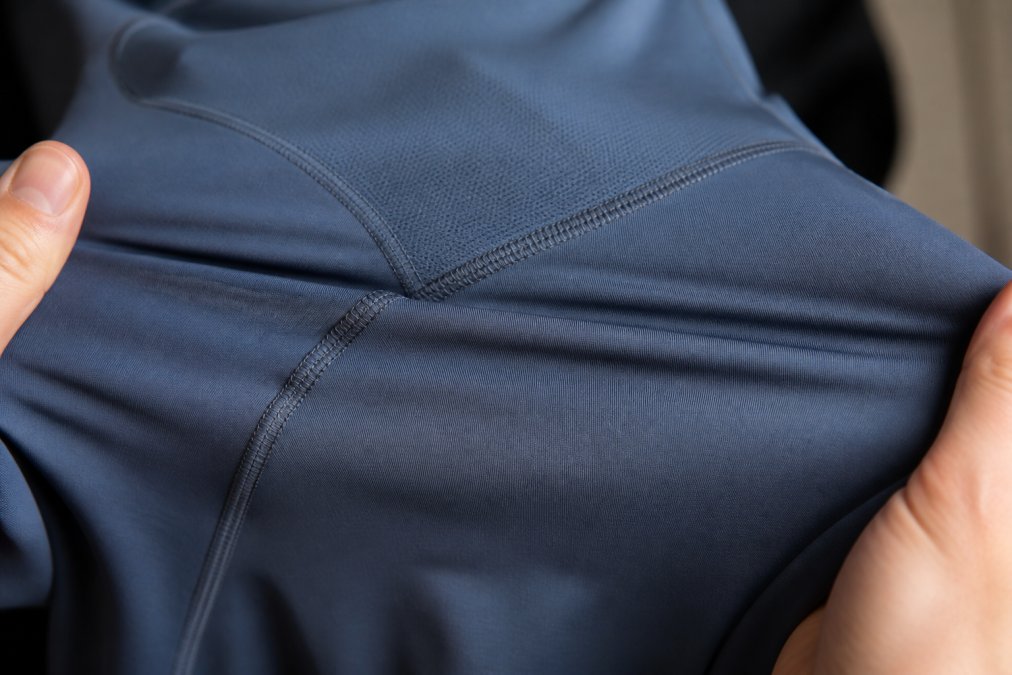
For Padel tennis, you want a slightly more fitted cut that allows explosive movement without excess fabric. For yoga, you might prefer a more relaxed fit. For running, a simplified fit reduces wind resistance. Quality activewear uses strategic seaming and panel placement that creates the right fit across different body types without requiring multiple sizes.
Versatility across sports requires fabric that maintains its fit through repeated stretching. Four-way stretch fabric with strong recovery ensures that gear fitted properly for one activity still fits correctly for another. This is where cheaper activewear fails; after a few weeks of intense training, the fabric loses its shape.
REVIVE's approach to sizing addresses the real questions multi-sport athletes ask. Rather than offering a single fit for a hypothetical average athlete, their pieces account for different body shapes and the reality that the same person needs different things from their gear depending on the activity. A single well-constructed piece that performs across gym, running, and Padel tennis means less total activewear in your rotation and pieces engineered to handle multiple demands reliably.
Finding activewear that genuinely performs across multiple sports requires understanding what each activity demands from your clothing. Moisture-wicking fabric, four-way stretch, anti-chafing construction, and durability in high-stress zones aren't luxuries, they're the technical requirements that separate gear that works from gear that merely exists.
REVIVE Activewear and Apparel has built its entire product line around this reality, with specific focus on Padel tech designs that perform equally well in gym, running, and cross-training contexts. Rather than forcing you to choose between sport-specific gear and generic activewear, REVIVE delivers pieces engineered for athletes who refuse to compromise on performance across their entire training life. Explore REVIVE's collection and discover how quality activewear designed for versatility can simplify your athletic wardrobe while elevating your performance across every sport you pursue.
Frequently Asked Questions
What features should I look for in multi-sport activewear?
Prioritise moisture-wicking fabrics that manage sweat across high-intensity activities, four-way stretch for unrestricted movement, and anti-chafing seam construction. Look for breathability and quick-dry technology, plus durability to withstand frequent washing and varied impact types. Compression features support muscle recovery between sports, and ergonomic design ensures comfort whether you're on a Padel court, running or in the gym.
Can one set of activewear work for both running and Padel?
Yes, if it combines the right technical features. Running demands lightweight, breathable fabrics with excellent moisture-wicking. Padel requires durable, impact-resistant materials with anti-chafing construction for lateral movement. Activewear designed for cross-training and versatile layering can handle both, but check that seams are reinforced and the fit supports quick directional changes without restriction.
How do I choose moisture-wicking fabrics for high-intensity training?
Look for synthetic fibres like polyester blends or technical nylon that pull sweat away from skin faster than natural fibres. Four-way stretch fabrics with thermal regulation keep you comfortable across temperature changes. Check product descriptions for 'quick-dry' and 'sweat management' claims. Avoid 100% cotton, which absorbs moisture rather than wicking it, and test fit before committing to ensure the fabric breathes without clinging.
What is the difference between activewear designed for Padel and general gym wear?
Padel-specific apparel prioritises impact resistance and lateral movement durability, since the sport involves rapid court changes and sudden directional shifts. Seams are reinforced to withstand abrasion, and fabrics often feature UV protection for outdoor play. General gym wear focuses more on compression and muscle recovery support. Multi-sport pieces blend both, impact durability from Padel design with recovery benefits from gym wear, making them ideal if you play multiple sports.
This article was written using GrandRanker