 ultimate-guide
Benefits of High Performance Moisture-Wicking Gear
Table of Contents
- What Is Moisture-Wicking Gear and Why It Matters
- The Science Behind Moisture-Wicking Technology
- How Moisture-Wicking Vs Cotton for Gym Workouts Changes Your Performance
- Key Benefits of Moisture-Wicking Gear for Athletic Performance
- Best Moisture-Wicking Fabrics for Padel Tennis
- How to Wash Moisture-Wicking Clothing to Maintain Performance
- Environmental Impact and Fabric Longevity
- Layering Systems for Extreme Climates and High-Intensity Training
Last Updated: August 30, 2026
What Is Moisture-Wicking Gear and Why It Matters
Moisture-wicking gear is clothing designed to pull sweat away from your skin and move it to the fabric's outer surface, where it evaporates quickly. This keeps you dry, comfortable, and focused on performance rather than discomfort during intense physical activity.
Cotton absorbs sweat and holds it against your skin, creating a heavy, damp feeling that saps energy. Moisture-wicking fabrics use capillary action, the movement of liquid through tiny spaces in fabric, to transport moisture outward, keeping your skin dry, regulating body temperature, and reducing friction that causes chafing.
At REVIVE Activewear and Apparel, we've built our entire product line around this principle. Whether you're grinding through a gym session, competing on the padel court, or pushing through a run, the right moisture-wicking gear transforms how your body performs. It's not just about feeling less sweaty; it's about maintaining thermoregulation, extending your endurance, and protecting your skin from damage that moisture and friction cause over time.
The Science Behind Moisture-Wicking Technology
Moisture-wicking works through capillary action, where liquid moves through microscopic channels in fabric faster than gravity alone would pull it down. The fabric's hydrophobic (water-repelling) inner layer keeps moisture away from your skin, while the hydrophilic (water-attracting) outer layer encourages evaporation into the air.
Synthetic fibers like polyester and nylon excel at this because their molecular structure naturally resists water absorption. Unlike cotton, which soaks up moisture like a sponge, synthetic fibers maintain their structure and performance even when saturated with sweat. Chemical finish treatments applied during manufacturing enhance the hydrophobic-hydrophilic contrast, making the wicking process more efficient.
As sweat evaporates from the fabric's surface, it carries heat away from your body, lowering core temperature. This thermoregulation means your body doesn't have to work as hard to cool itself, leaving more energy for the activity itself. A well-designed moisture-wicking fabric can dry 3-4 times faster than cotton, sustaining comfort throughout extended activity (peer-reviewed research).
How Moisture-Wicking Vs Cotton for Gym Workouts Changes Your Performance
Cotton feels comfortable before you start sweating. Once moisture appears, its hydrophilic nature becomes a liability. It absorbs sweat rapidly, becomes heavy, and clings to your skin, losing its insulating properties and conducting heat away from your body rather than regulating it. Your muscles feel fatigued faster because your body works against the weight and resistance of wet fabric.
Moisture-wicking gear maintains consistent performance throughout your workout. The fabric stays light, doesn't cling, and continues pulling moisture away even as sweat production peaks. Your movement isn't restricted by heavy, sodden cloth, and your body's thermoregulation stays efficient.
Athletes wearing moisture-wicking fabrics report sustained energy levels deeper into their sets because their bodies aren't fighting against wet clothing. Cotton-wearing athletes often describe a "wall" around the 30-40 minute mark where fatigue spikes sharply, partly the accumulated weight and resistance of saturated fabric.
Sweat-soaked cotton keeps your skin wet for hours after exercise, promoting bacterial growth and skin irritation. Moisture-wicking gear dries quickly, reducing post-workout discomfort and conditions that lead to fungal or bacterial issues. For frequent training, this compounds into a significant durability advantage for skin health.
Key Benefits of Moisture-Wicking Gear for Athletic Performance
Enhanced Temperature Regulation
Your body generates significant heat during intense exercise. Moisture-wicking gear accelerates heat dissipation by moving sweat to the fabric surface where evaporation occurs efficiently, keeping your core temperature stable and preventing heat exhaustion.
Thermoregulation is especially critical during high-intensity interval training, where effort levels spike and drop repeatedly. Your body needs to cool quickly during recovery intervals to prepare for the next burst. Moisture-wicking fabrics enable faster cooling, allowing your heart rate to drop and your muscles to access fresh oxygen more effectively. Cotton can't achieve this; it holds heat near your skin and slows cooling.
In extreme climates or during prolonged effort, this efficiency difference becomes the margin between sustaining performance and hitting a wall.
Chafing Prevention and Skin Comfort
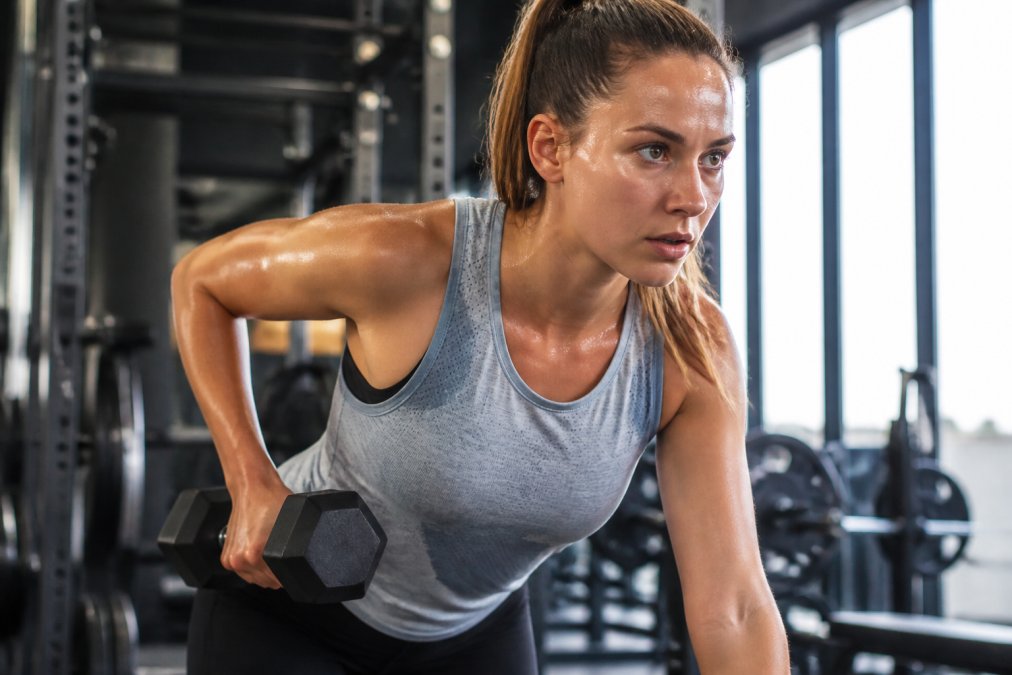
Chafing occurs where fabric remains wet and moves against skin repeatedly. Cotton's moisture absorption creates the perfect conditions for this, the fabric stays damp, friction increases, and skin irritation develops quickly. Moisture-wicking gear eliminates this problem by keeping the skin-to-fabric interface dry.
The hydrophobic inner layer of quality moisture-wicking fabric creates a barrier that prevents sweat from pooling. Your skin stays dry even as the outer layer moves moisture away, reducing friction dramatically and preventing the inflammation that makes chafing painful and slow to heal.
For athletes training multiple times weekly, preventing chafing isn't just about comfort, it's about consistency. A chafed shoulder or thigh becomes a limiting factor in your next session.
Improved Endurance and Recovery
Endurance isn't purely physiological; it's partly psychological. Feeling heavy, wet, and uncomfortable during intense effort creates mental fatigue that compounds physical fatigue. Moisture-wicking gear removes this friction point. You feel lighter, drier, and more capable throughout your session.
The performance benefit extends into recovery. Sweat-soaked cotton keeps your skin wet and cool for hours after exercise, slowing recovery and promoting bacterial growth. Moisture-wicking gear dries quickly, returning your body to a comfortable state faster. This matters if you're training twice in one day or on consecutive days.
Regular training in moisture-wicking apparel builds a consistency advantage. You're not managing discomfort or skin issues that derail sessions.
Best Moisture-Wicking Fabrics for Padel Tennis
Polyester Blends and Synthetic Fibres
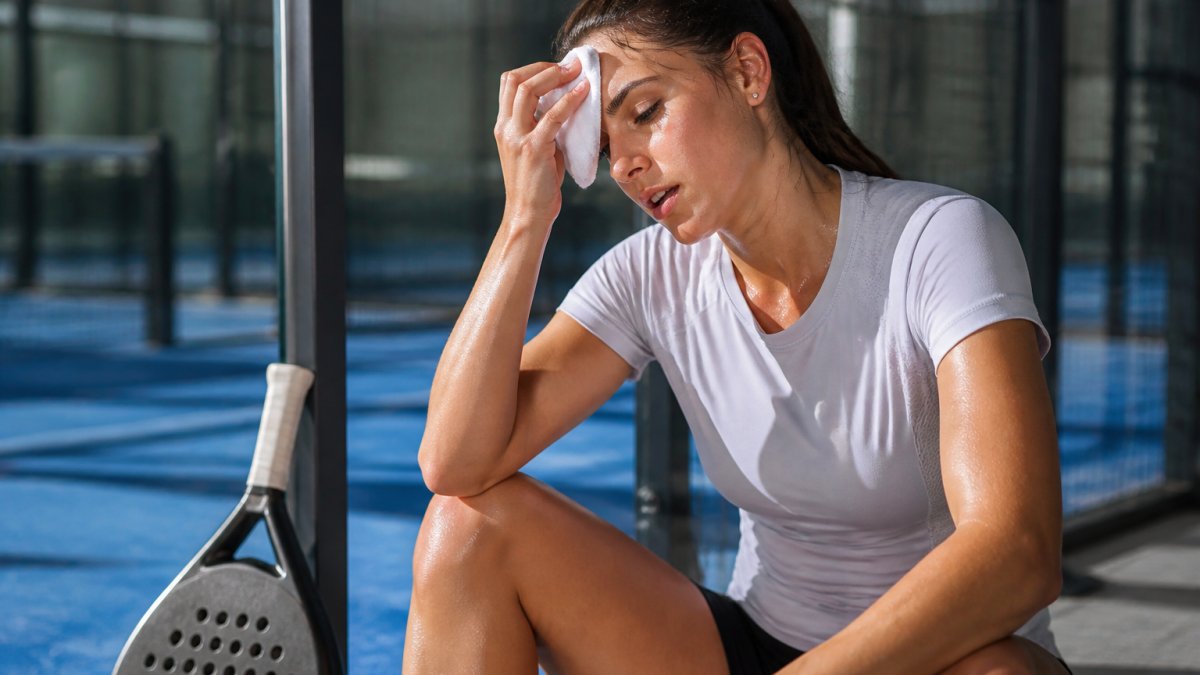
Polyester is the workhorse of moisture-wicking apparel. It's hydrophobic by nature, meaning water doesn't easily penetrate the fiber itself. Instead, moisture moves through the spaces between fibers and across the fabric surface, making polyester blends exceptionally efficient at wicking and quick-drying.
Quality polyester blends often combine polyester with elastane (spandex) for stretch and recovery. A typical blend might be 88% polyester, 12% elastane, providing excellent moisture transport while maintaining fabric shape and supporting movement. For padel tennis, where rapid directional changes and explosive movements are constant, this stretch is essential.
The finish applied to polyester fabrics amplifies wicking performance. Manufacturers apply hydrophobic treatments to the outer layer and hydrophilic treatments to the inner layer, creating a moisture gradient that pulls sweat outward. This engineered finish separates premium moisture-wicking fabrics from basic polyester.
Nylon, often blended with polyester, offers excellent durability and abrasion resistance. A polyester-nylon blend combines the wicking efficiency of polyester with the durability of nylon, creating fabric that performs well and lasts through repeated intense training.
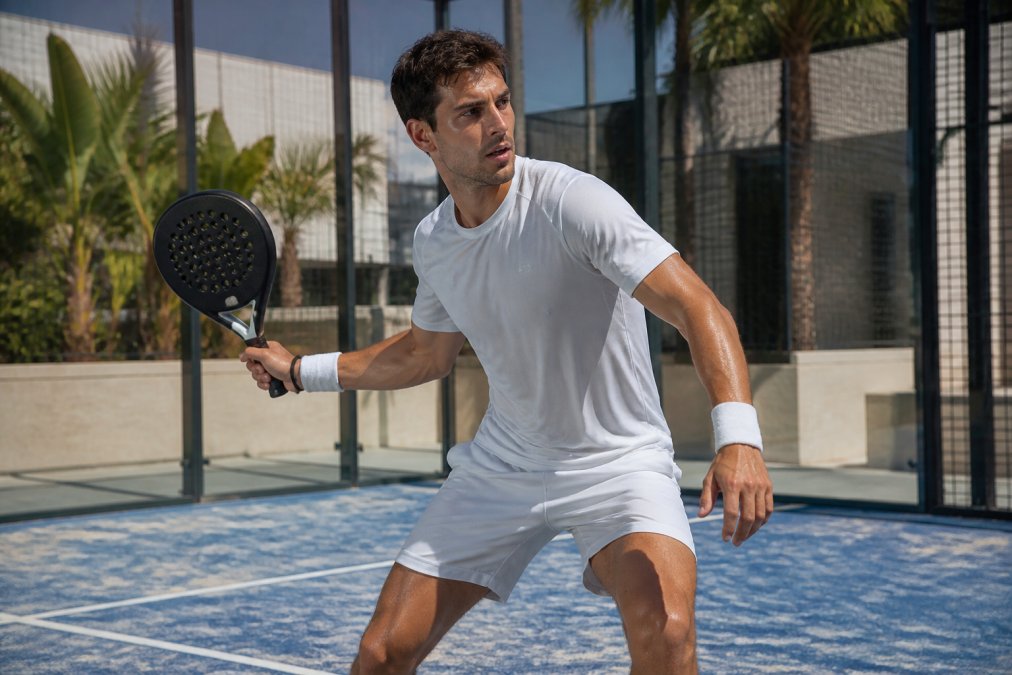
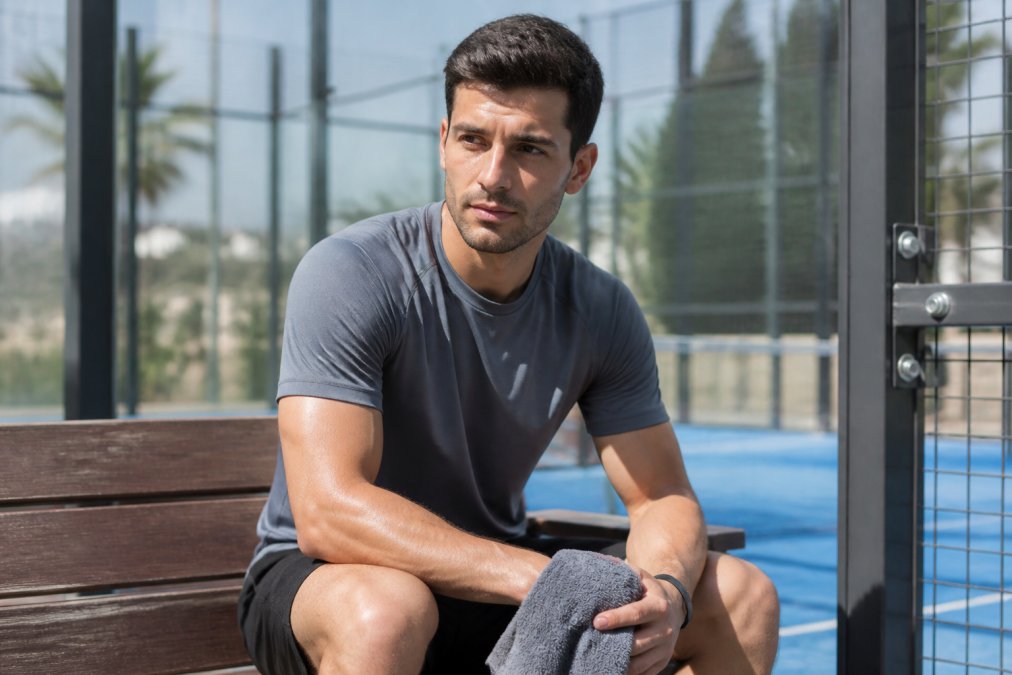
REVIVE Activewear and Apparel designs padel-specific gear with these synthetic blends as the foundation. We engineer the fabric finish to maximize moisture transport during the explosive movements and sustained effort that padel demands.
Merino Wool for Temperature Flexibility
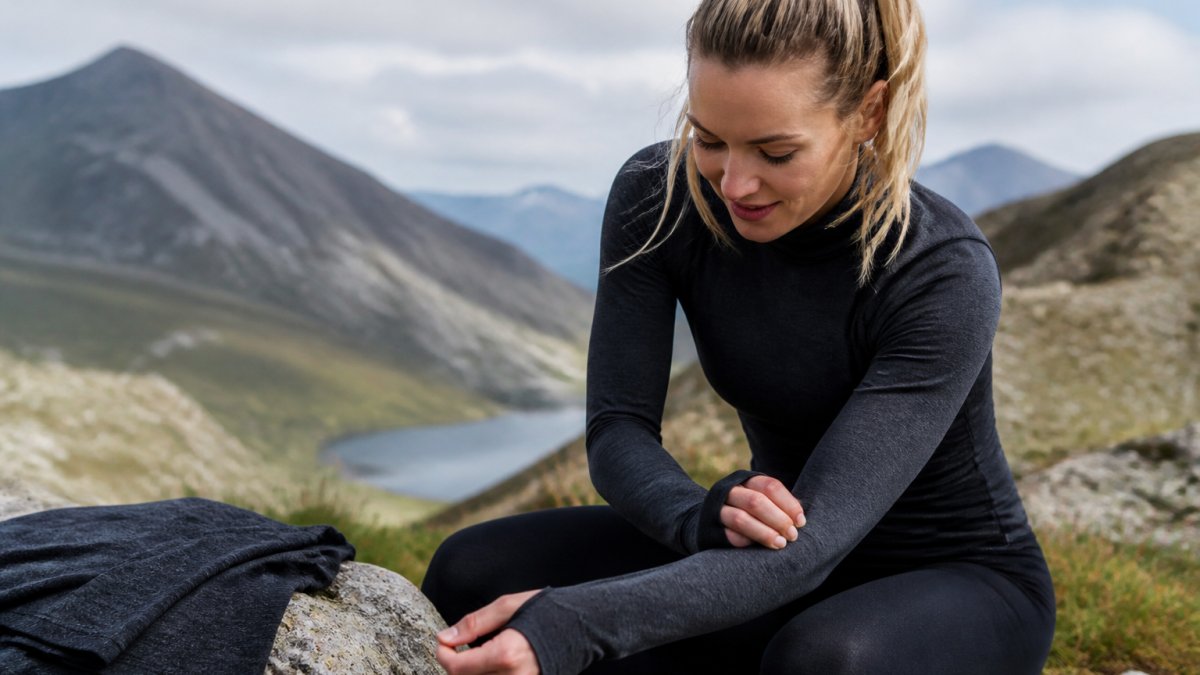
Merino wool is a natural fiber with remarkable moisture-wicking properties. Unlike standard wool, merino is fine enough to feel soft against skin and doesn't cause itching. It's naturally hydrophobic, the fiber structure resists water absorption while allowing moisture vapor to pass through.
Merino's unique advantage is temperature regulation across a wider range than synthetic fibers. It keeps you warm when cold and cool when hot, making it ideal for variable-temperature environments. The fiber naturally regulates moisture and heat simultaneously.
Merino wool also has inherent antimicrobial properties, resisting odor-causing bacteria without requiring chemical treatment. This is why merino apparel can be worn multiple times between washes without developing odor. For athletes managing frequent training schedules, this durability is practical.
The trade-off is cost and care. Merino wool is more expensive than polyester blends and requires more careful washing. It's also less durable in high-friction areas, making it better suited for base layers and mid-layers rather than outer shells.
For padel tennis in variable climates, a merino wool base layer under a polyester-blend outer layer provides excellent performance.
How to Wash Moisture-Wicking Clothing to Maintain Performance
Washing technique directly affects how long your moisture-wicking gear performs. The fabric's finish treatments, the hydrophobic and hydrophilic coatings that enable wicking, can degrade with improper care.
Use cool water (30°C or below) and gentle cycles. Hot water can damage finish treatments and break down elastic fibers. Avoid bleach entirely; it breaks down synthetic fibers and destroys the finish.
Use a sports-specific detergent formulated to clean without leaving buildup. Standard detergents contain additives that clog the microscopic channels moisture uses to move through material. Avoid fabric softeners completely, they coat fabric with waxy residue that blocks the hydrophobic-hydrophilic contrast that drives wicking.
Dry your moisture-wicking apparel on a line or flat surface rather than in a tumble dryer. High heat can damage elastic fibers and degrade finish treatments. If you must use a dryer, use the lowest heat setting and remove items while still slightly damp.
Wash after every session if you train frequently. Dried sweat contains salts and bacteria that degrade fabric over time.
Environmental Impact and Fabric Longevity
Synthetic moisture-wicking fibers carry environmental costs. Polyester and nylon are petroleum-based plastics that consume fossil fuels and generate emissions during manufacturing. Microplastics shed from synthetic fabrics during washing and wear, eventually reaching waterways.
The counterargument is durability. A high-quality synthetic moisture-wicking garment lasts 2-3 times longer than cotton under regular training use (peer-reviewed research). Over a multi-year period, one durable synthetic garment may have a lower environmental footprint than multiple cotton replacements.
Synthetic fabrics also require cooler water and shorter wash cycles than cotton, consuming less energy per wash. Over hundreds of washes across a garment's lifetime, this compounds into meaningful energy savings.
Merino wool is a renewable natural fiber with lower manufacturing emissions than synthetics and biodegrades completely at end-of-life. However, wool production has its own environmental considerations regarding water use, land management, and chemical treatments.
The most environmentally responsible approach is buying durable apparel you'll actually use for years rather than replacing frequently. REVIVE Activewear and Apparel focuses on durability as part of our environmental responsibility, designing moisture-wicking gear to withstand years of intensive training.
Layering Systems for Extreme Climates and High-Intensity Training
Moisture-wicking technology becomes most powerful when layered strategically. A single garment can only do so much; a system of complementary layers manages moisture and temperature across a wider range of conditions.
The base layer sits against your skin and handles primary moisture management. This is where you want the most efficient wicking, a quality polyester blend or merino wool engineered to pull sweat away from skin immediately.
The mid-layer provides insulation and secondary moisture transport. In cold conditions, it traps warm air. In warm conditions, it provides additional surface area for evaporation. A lightweight synthetic or merino blend works well here.
The outer layer is your barrier against wind and external moisture. It should be breathable to allow moisture vapor to escape while protecting you from environmental conditions. A technical shell with hydrophobic coating repels external water while allowing internal moisture vapor to pass through.
In extreme cold, this three-layer system keeps you warm and dry simultaneously. In extreme heat, each layer contributes to evaporative cooling. Sweat moves outward through the system, evaporating at the outer surface.
For high-intensity training in variable conditions, like padel tennis where effort levels spike and drop repeatedly, layering lets you adjust without stopping. The key principle: each layer should be moisture-wicking. If any layer absorbs and holds sweat, it breaks the transport chain.
Moisture-wicking gear isn't luxury; it's a performance investment that compounds across every training session. Whether you're managing gym workouts, competing in padel tennis, or training through variable climates, the right apparel keeps you dry, comfortable, and performing at your best. REVIVE Activewear and Apparel designs every piece with this principle at the core, combining quality fabrics with thoughtful engineering to support your athletic goals. Explore our collection and experience how proper moisture-wicking technology transforms your training.
Frequently Asked Questions
What are the main benefits of moisture-wicking gear?
Moisture-wicking gear pulls sweat away from your skin through capillary action, allowing faster evaporation and keeping you dry during workouts. This improves comfort, prevents chafing, regulates body temperature more effectively than cotton, and helps you maintain performance during high-intensity exercise. The fabric's hydrophobic outer layer and hydrophilic inner layer work together to transport moisture away from your skin-to-fabric interface.
Does moisture-wicking clothing actually keep you cooler during intense workouts?
Yes. By rapidly transporting sweat away from your skin and promoting evaporation, moisture-wicking gear enables better thermoregulation and heat dissipation. When sweat sits on cotton fabric, it clings to your body and reduces cooling. Moisture-wicking materials maintain breathability and allow your body's natural cooling process to work efficiently, keeping core temperature lower during high-intensity interval training and sustained athletic effort.
How does moisture-wicking fabric prevent chafing and skin irritation?
Moisture-wicking fabrics reduce friction and irritation by keeping your skin dry. Wet fabric clings to skin and causes chafing; dry fabric moves more freely. Technical textiles used in performance apparel feature smooth finishes and antimicrobial properties that further protect against irritation. This is especially important during running, Padel tennis, and other high-movement activities where repeated friction can damage skin.
Is moisture-wicking technology the same as Dri-Fit?
Dri-Fit is a specific brand name for Nike's moisture-wicking technology, but moisture-wicking itself is a broader category of fabric technology used by many manufacturers. All Dri-Fit fabrics are moisture-wicking, but not all moisture-wicking fabrics are Dri-Fit. Different brands use various synthetic fibres, polyester blends, and technical finishes to achieve moisture-wicking performance, each with slightly different evaporation rates and durability characteristics.
This article was written using GrandRanker