 Listicle
Custom Activewear Design Trends for Fitness Studios
Last Updated: November 5, 2026
Quick Summary
Custom activewear design for fitness studios is moving toward coordinated matching sets, personalised details and colour blocking that reflect each class type. Studios should choose fabric by class demands, test fit on instructors and keep their logo and palette consistent across the range.
- Pilates is the primary modality for more than 43% of boutique studios, per Mariana Tek's 2026 report.
- Wearable technology ranked as the number-one fitness trend for 2026 by the American College of Sports Medicine.
- Coordinated sets and matching class uniforms make a class feel organised without a rigid uniform.
- Reduce the studio palette to two or three colours, then test logos at the smallest size you plan to use.
- Order sample garments in the full size range and test fit on instructors of different body types.
Table of Contents
- Fitness Apparel Design Ideas That Suit Different Classes
- Choosing an Activewear Fabric Guide for Studio Use
- Fitness Studio Merchandise Ideas Beyond the Leggings and Tops
- How to Translate Your Studio Brand Into Wearable Designs
- Custom Gym Wear Design: Ordering, Sizing and Bulk Considerations
- Planning Your First Studio Collection With REVIVE
- Frequently Asked Questions
Studio owners are rethinking what their members wear, and custom activewear design trends for fitness studios are moving quickly. Matching sets, personalised details and bold colour blocking are now common requests from studios that want their brand visible on every mat and bike. REVIVE Activewear and Apparel supports studios and teams with custom activewear, from a single item to large orders for a whole team.
The clearest signal comes from the wider studio market. According to Mariana Tek's 2026 Boutique Fitness Trends Report, Pilates is the primary modality for more than 43% of boutique studios, with indoor cycling at 19% and HIIT at 18%. That mix matters for apparel. A studio built around reformer work needs different garments from a cycling or HIIT room.
Wearable technology is also shaping the direction of studio wear. The American College of Sports Medicine ranked it the number-one fitness trend for 2026 (ACSM Top Fitness Trends 2026). Studios thinking about performance-led apparel should plan for garments that can accommodate sensors, pockets and secure fit without sacrificing comfort.
Our view is that the most useful trend is coordination. Members want a look that feels deliberate across a whole class, not a random mix of kit.
Fitness Apparel Design Ideas That Suit Different Classes
Good fitness apparel design starts with the class, not the logo. A reformer Pilates room, a spin studio and a HIIT session each place different demands on fabric, fit and movement.
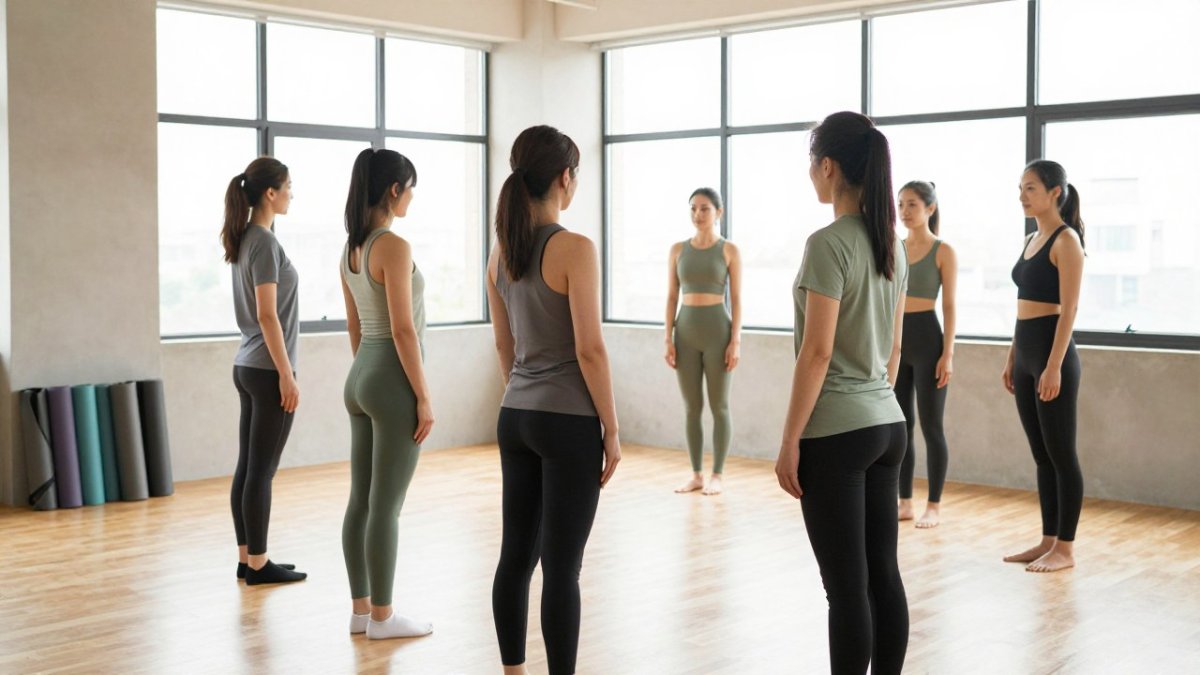
Coordinated sets and matching class uniforms
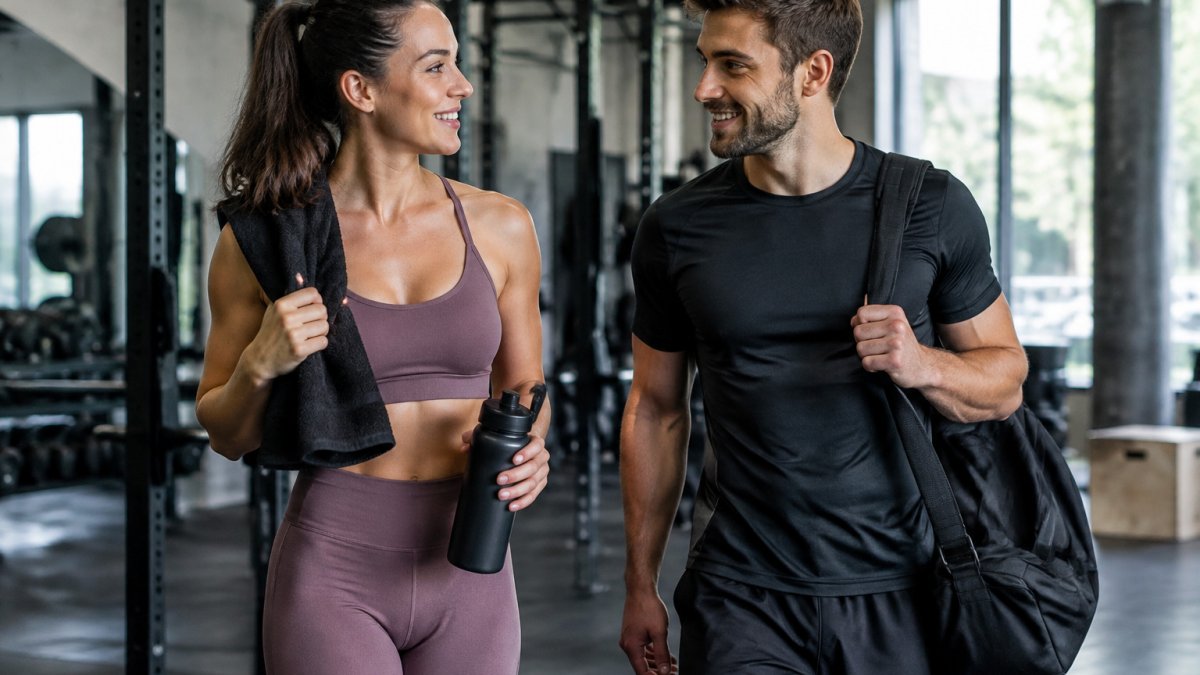
Matching sets make a class feel organised. A sports bra and leggings in one palette, or a tee and bike short pairing, give instructors a recognisable look without a rigid uniform. Oasis Sublimation identifies matching workout apparel and personalised designs among the directions retailers should watch for the coming season (Oasis Sublimation custom fitness apparel guide).
Keep the instructor kit slightly distinct from member kit. A different trim colour or a printed panel is often enough to signal the role.
Personalised details, geometric panels and colour blocking
Small details carry the brand. See a printed branded sweatshirt to judge how logos and panels look in practice. Geometric patterns, tonal graphics, contrast stitching, colour blocking and placed panels are all options for updating classic silhouettes.
Test any print on the fabric you plan to use. A bold graphic can look sharp on a flat sample and crack after repeated washing.
Choosing an Activewear Fabric Guide for Studio Use
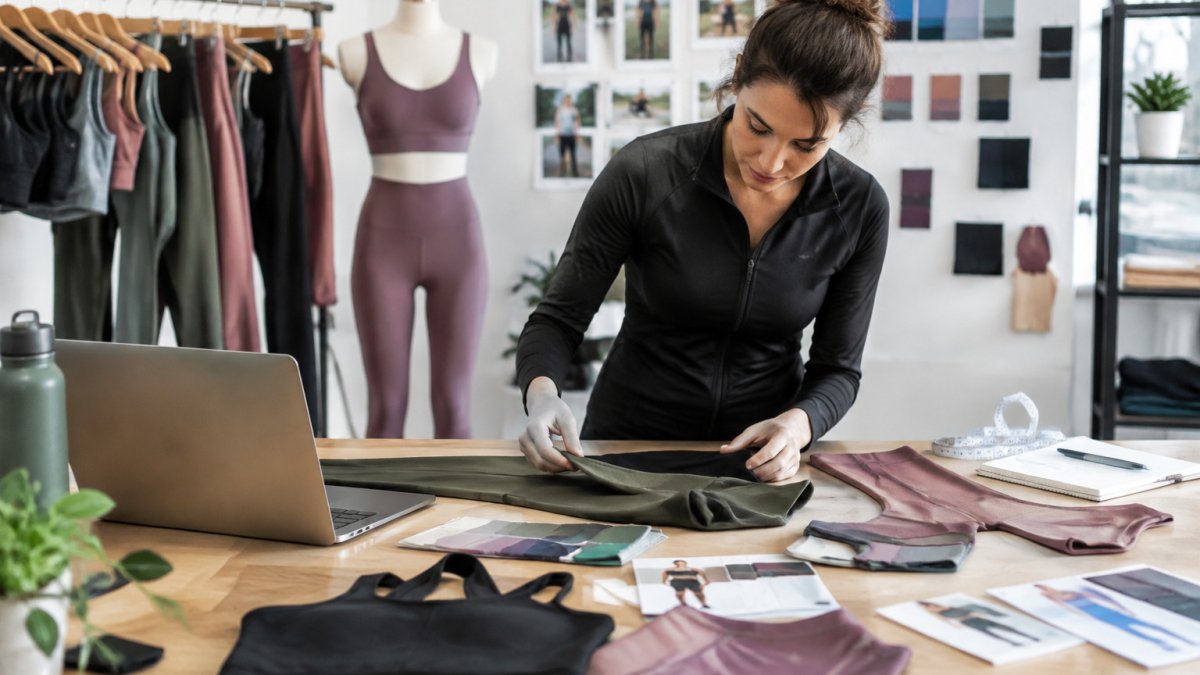
Fabric decides whether a design survives real use. Compare alternatives to synthetic activewear fabrics before you approve a sample. Studio garments face sweat, friction and frequent laundering, so performance properties should come before the look.
Start with the fibre blend.
| Fabric need | What to check | Best for |
|---|---|---|
| Sweat management | Moisture-wicking knit, quick-dry finish | HIIT and cycling |
| Stretch and recovery | Elastane blend, four-way stretch, recovery test after 20 washes | Pilates and yoga |
| Durability | Tight knit, colourfast dye, pilling resistance | Daily studio wear |
| Print adhesion | Wash-test results, stretch before and after print | Branded panels |
| Sustainability | Recycled fibre content, supplier certification, traceability | Studios with an environmental commitment |
Ask suppliers for fabric specifications before approving a sample.
Fit testing belongs at the fabric stage, not after. Order sample garments in the full size range you intend to sell and put them on instructors of different body types for a full class. Check that the waistband stays put in reformer work, that sleeves do not ride up in cycling, and that seams do not chafe in HIIT.
Fitness Studio Merchandise Ideas Beyond the Leggings and Tops
Plan merchandise stock carefully. Read how to manage inventory for fitness studio retail before placing orders. Start with a small range of sizes and colours, then reorder what sells. Our advice is to avoid holding large unsold runs of seasonal colours.
How to Translate Your Studio Brand Into Wearable Designs
Start with the brand cues that define your studio, such as a colour, a shape or a word. Our guide to branding custom fitness clothing on a budget walks through this step by step. Use them consistently across garments so members recognise the studio from across a room. The aim is recognition, not advertising, a garment that reads as a walking billboard usually gets worn less often, which defeats the purpose.
Work through the translation in four steps.
First, pull the palette down to two or three colours. Take the studio's primary brand colour and pair it with a neutral base such as black, navy or stone. A single accent colour on a trim, zip pull or waistband logo is often enough. Too many colours make small print runs expensive and make the range look less deliberate.
Second, choose a logo treatment for each placement. A chest logo can carry more detail than a waistband logo, which is often only a few centimetres wide. Test the logo at the smallest size you plan to use before committing, a mark that works on a chest panel may disappear on a leggings waistband.
Third, set a typography rule. A single word or short studio name in a clean sans-serif reads well at small sizes and survives embroidery. Avoid long taglines on class kit; keep them for retail merchandise and welcome kits where the garment is not being worn hard.
Fourth, decide how instructors and members differ. A different trim colour, a printed panel or a small back-neck mark is usually enough to signal the role without making staff feel like they are in a uniform.
Then validate the design rather than guessing. A small sample run tested with instructors and members before a full launch can show how the garment performs in practice.
Watch out: designing the logo placement before choosing the garment style often leads to a mark that sits awkwardly on a seam or stretches out of shape, set placement after the style and fabric are confirmed.
Custom Gym Wear Design: Ordering, Sizing and Bulk Considerations
Pricing depends on quantity, dates and delivery, so request a quote from REVIVE Activewear and Apparel for current figures. Confirm lead times before you set a launch date.
Ask for a size range that covers the full membership, and check fit on a few staff members before a full order. REVIVE Activewear and Apparel offers standard and express delivery options, which helps when a launch date is fixed.
Planning Your First Studio Collection With REVIVE
Begin with one class type and one coordinated set. Test it with instructors, collect feedback on fit and fabric, then expand.
REVIVE Activewear and Apparel can support studios with orders from a single item to thousands for a whole team. Subscribe to our email list for design updates and studio ordering tips.
Frequently Asked Questions
What are the latest custom activewear design trends for fitness studios?
Current directions include coordinated matching sets, personalised designs, geometric patterns, tonal graphics, contrast stitching, colour blocking and strategically placed panels on updated classic silhouettes. Pilates is the primary modality for more than 43% of boutique studios, so designs for低 impact classes deserve as much planning as those for high-intensity sessions.
What fabrics are best for custom workout clothing?
Performance fabrics with moisture-wicking and breathable properties suit most studio classes, particularly for indoor cycling and HIIT, where sweat management matters most. For yoga and Pilates, prioritise stretch, comfort and a fabric that holds its shape through repeated washing. Ask any supplier for fabric specifications and wash-test information before committing to a bulk order, so the garment still looks and performs well after several months of regular use.
How can a fitness studio create branded activewear?
Start with your studio's colour palette, logo placement and the classes you run, then choose designs that stay recognisable without overpowering the wearer. Placing your logo on a chest panel, sleeve or waistband keeps branding visible in class. Test a small trial run before ordering for the whole team, and check whether your supplier offers low minimum order quantities so you can refine the design first.
How do bulk orders for studio teams usually work?
Pricing depends on quantity, design complexity, dates and delivery option, so REVIVE Activewear and Apparel recommends contacting the team or visiting projectrevive.co.uk for a current quote. Order sizes can range from a single item to thousands for a whole team, and standard or express delivery is available. Confirm timelines early so matching sets arrive before your class launch date.