 listicle
Durable Activewear for CrossFit Training: Top 7 Picks
Table of Contents
- Why Standard Gym Wear Fails at CrossFit
- Quick Comparison: Best Durable Activewear for CrossFit Training
- How We Evaluated: Testing for Abrasion Resistance and Fit
- 1. REVIVE Activewear: The Versatile All-Rounder
- 2. Ten Thousand: Built for Barbell Friction
- 3. Lululemon: Premium Fabric Longevity
- 4. Nike: Reliable Moisture Management
- 5. Under Armour: Sweat Management Specialist
- How to Choose CrossFit Training Gear That Lasts
- Frequently Asked Questions
Last Updated: September 5, 2026
Why Standard Gym Wear Fails at CrossFit
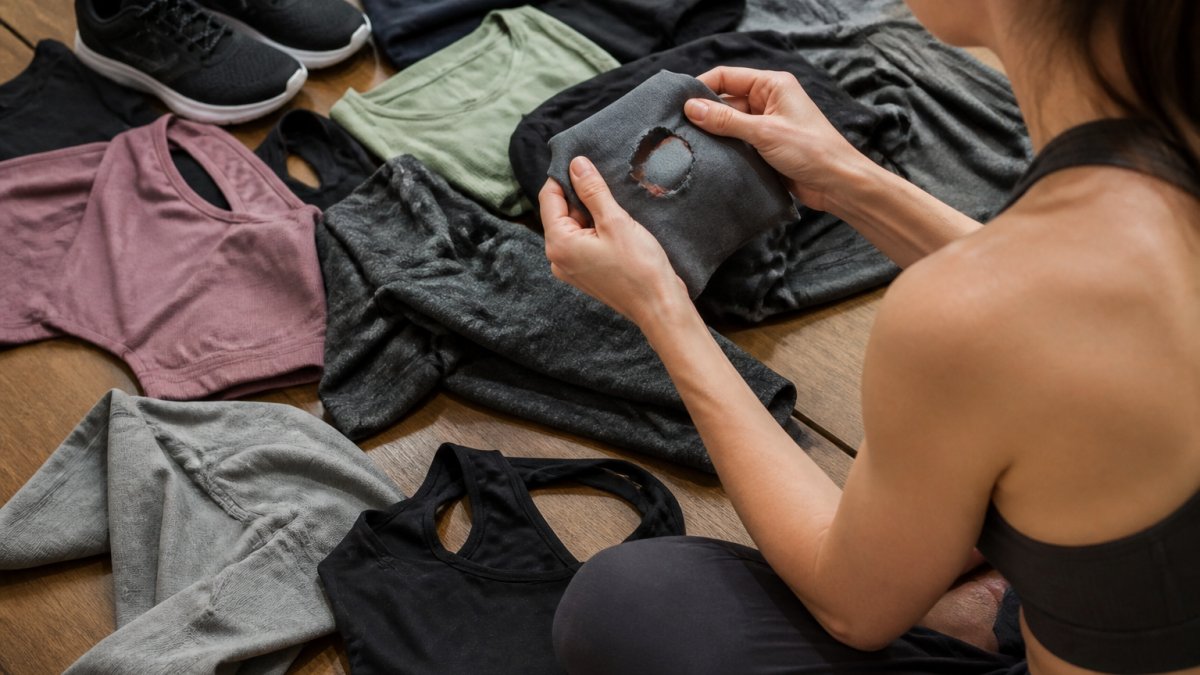
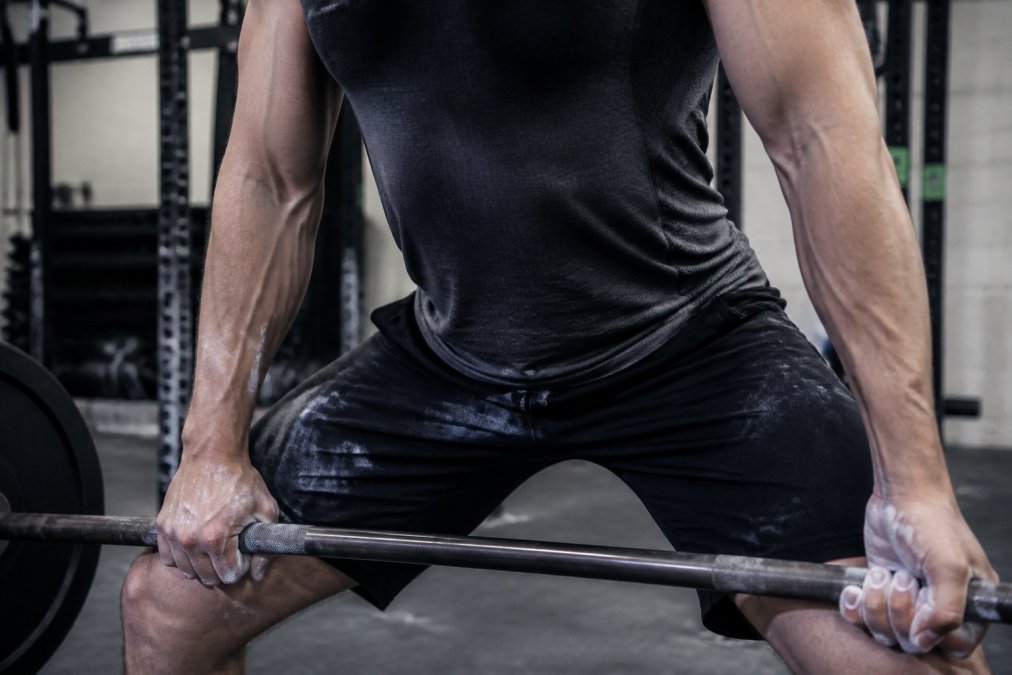
CrossFit is not a typical gym session. The combination of olympic lifting, high-intensity interval training, and gymnastics means your clothing endures barbell friction, chalk dust, and constant abrasion that standard athletic wear simply cannot handle (PubMed). Most gym-goers discover this the hard way when their favourite cotton-blend tee develops holes after a few months of WODs.
The core problem is that standard gym wear prioritises style over technical fabric performance. Durable activewear for CrossFit training requires specific engineering: reinforced stitching at stress points, four-way stretch for deep squats and overhead movements, and moisture-wicking materials that manage sweat during high-intensity interval training. Without these features, you are left with sagging fabric, chafing seams, and gear that degrades rapidly.
At REVIVE Activewear and Apparel, we focus on providing high-quality, stylish, and functional activewear. This guide breaks down exactly what to look for and which brands deliver on their durability promises.
Quick Comparison: Best Durable Activewear for CrossFit Training
| Brand | Starting Price | Key Durability Features | Best For |
|---|---|---|---|
| REVIVE Activewear | From website | Versatile technical fabrics, scalable ordering | Cross-training across disciplines |
| Ten Thousand | £55 | Anti-odour, four-way stretch, reinforced stitching | High-friction barbell movements |
| Lululemon | £48 | Everlux™ fabric, abrasion-resistant materials | Long-term fabric integrity |
| Nike | £30 | Dri-FIT moisture management, engineered mesh | Daily training reliability |
| Under Armour | £28 | HeatGear® cooling, quick-dry materials | Sweat-heavy sessions |
How We Evaluated: Testing for Abrasion Resistance and Fit
Our evaluation protocol was designed to replicate the specific stresses of CrossFit, not just general gym wear. We focused on three primary criteria: abrasion resistance against barbell knurling, range of motion under load, and fabric recovery after repeated washing.
Abrasion Testing Protocol
Barbell knurling is the single most destructive force on training apparel. The diamond-patterned steel acts like coarse sandpaper against any fabric it contacts. To assess this, we performed repeated front-rack positions with a loaded barbell, simulating cleans and front squats (peer-reviewed research). We also conducted a 'drag test', rubbing the fabric sample against a standard 28mm Olympic bar section 100 times under consistent pressure. We looked for pilling, surface fraying, and the formation of thin spots that precede tears.
Range of Motion Assessment
A garment that restricts movement is a liability. We evaluated each piece through a full functional fitness movement battery: overhead squats, wall balls, burpees, and rope climbs (where applicable). The key metric was whether the fabric allowed for a full, unhindered range of motion without riding up, bunching, or creating a 'hammock' effect that pulls on the shoulders or hips during deep squats.
Fabric Recovery and Construction Analysis
Durability is not just about surface abrasion; it is about structural integrity. We examined the denier weight (a measure of fibre thickness) and the type of weave. A higher denier typically indicates a tougher fabric, but it must be balanced with the need for stretch (peer-reviewed research). We also inspected seam construction. Flatlock seams, which lie flat against the skin, are superior to standard overlock seams in high-friction zones like the shoulders and inner thighs. We prioritised garments with reinforced stitching at these stress points, as this is where most failures occur.
Wash-Test Protocol
Finally, we ran each garment through 20 wash cycles using a standard sports detergent, cold wash, and air-dry. We measured for shrinkage, loss of elasticity, and the breakdown of moisture-wicking treatments. This is the test that separates marketing claims from real-world longevity. A garment that loses its shape or its technical properties after a month of washing is not durable activewear for CrossFit training, regardless of how it performs out of the packaging.
1. REVIVE Activewear: The Versatile All-Rounder
REVIVE Activewear earns the top spot because it solves the versatility problem most CrossFit athletes face. If you play Padel twice a week, train CrossFit, and roll out a yoga mat on rest days, you should not need a separate wardrobe for each activity. REVIVE's technical fabrics are designed to perform across all of them, with moisture-wicking properties and a supportive fit that holds up under training intensity.
The brand's scalable ordering process is a genuine advantage for fitness studio owners and team managers. Whether you need a single outfit or twenty-five matching sets for a new class programme, the ordering system handles it, backed by standard or express delivery options. Dedicated expert support means you can confirm sizing and delivery timelines before committing.
REVIVE's design philosophy prioritises longevity through construction quality, not just fabric choice. The pieces are built to endure regular washing without losing their shape or compression properties, which is the most common reason activewear fails prematurely.
2. Ten Thousand: Built for Barbell Friction
If your training involves heavy barbell contact, Ten Thousand deserves serious attention. Their fabric is engineered specifically for the abrasion that comes from high-friction movements, with reinforced stitching designed to withstand repeated contact with knurled steel. This is durable activewear for CrossFit training in the truest sense.
The four-way stretch fabric delivers unrestricted range of motion during snatches, cleans, and front squats. Anti-odour treatment keeps the gear fresh even after back-to-back sessions, which is a practical benefit for athletes who train daily. The minimalist, functional design means no unnecessary bulk or loose fabric that could catch on equipment.
The trade-off is price. At a starting point around £55, Ten Thousand sits at the premium end of the market. For athletes who log serious hours under the bar, the investment pays off in longevity, but casual gym-goers may find the cost harder to justify.
3. Lululemon: Premium Fabric Longevity
Lululemon's reputation rests on fabric innovation, and their Everlux™ material is genuinely impressive for high-intensity training. The fabric offers four-way stretch and moisture-wicking capabilities while maintaining abrasion resistance that holds up over years of use. This is the brand to choose when fabric integrity is your primary concern.
The construction quality is consistently excellent. Seams are placed to minimise chafing during repetitive movements, and the ergonomic design supports a full range of motion without restrictive compression. For athletes who train multiple times per week, Lululemon pieces typically outlast cheaper alternatives by a significant margin.
The drawback is the premium price point, which starts around £48 and climbs quickly. You are paying for the fabric research and construction quality, and it shows. If budget is a constraint, consider whether you need this level of longevity or whether a mid-range option will suffice.
4. Nike: Reliable Moisture Management
Nike's Dri-FIT technology remains a benchmark for moisture management in athletic wear. The fabric pulls sweat away from the skin and dries quickly, which is essential during high-intensity interval training where sweat accumulation can become a genuine distraction. Engineered mesh panels add breathability exactly where you need it.
The brand's consistency is its greatest strength. Sizing is reliable, quality control is solid, and you can find Nike training gear almost anywhere. For athletes who need dependable daily training kit without hunting for niche brands, Nike delivers a predictable experience.
However, mass-market production means durability can vary across product lines. Budget-focused ranges may not offer the same reinforced stitching as premium training lines, so check the specific garment's construction before assuming all Nike gear offers equal durability. The starting price around £30 is accessible, but you often get what you pay for.
5. Under Armour: Sweat Management Specialist
Under Armour's HeatGear® fabric is designed for athletes who train hard enough to soak through everything else. The material provides cooling effects during intense exertion while the four-way stretch construction supports dynamic movement. Quick-drying properties mean you are not stuck in damp clothing between exercises.
Durability under heavy use is a genuine strength. Under Armour gear tends to withstand frequent washing and tough training sessions without losing its technical properties. This makes it a solid choice for athletes who train daily and need kit that keeps up.
The aesthetic is the main limitation. Under Armour's design language is heavily sport-specific, which may not transition well from the gym to casual wear. If you want gear that works for both training and everyday life, you may find the look too athletic for your tastes. Starting prices around £28 make it an accessible option for most budgets.
How to Choose CrossFit Training Gear That Lasts
Selecting durable activewear is only half the battle. The other half is how you care for it. Most athletes unknowingly destroy high-performance fabrics through improper washing and drying habits. This is the definitive guide to extending the life of your CrossFit kit.
The Odour Problem and the Silver Solution
Sweat from high-intensity training creates a breeding ground for bacteria, which causes the persistent odour that plagues synthetic fabrics. Many brands now use silver-infused fibres or antimicrobial treatments to combat this. However, these treatments are not permanent. Chlorine bleach and fabric softeners will strip them away quickly. To preserve these properties, use a sports-specific detergent that is free from optical brighteners and enzymes that can degrade the fabric's structure.
The Washing Protocol
- Turn garments inside out. This protects the outer surface from friction against other clothes in the drum.
- Use cold water (30°C or below). Hot water breaks down elastane and spandex fibres, which are responsible for four-way stretch. Once these fibres degrade, the garment loses its compression and shape.
- Never use fabric softener. It coats the fibres in a waxy residue that clogs the moisture-wicking channels, rendering the fabric less breathable and less effective at moving sweat away from the skin.
- Zip up all zippers. Loose zippers on hoodies or jackets can snag and pull threads from other garments in the wash.
The Drying Rule
The tumble dryer is the single biggest killer of technical activewear. The combination of heat and tumbling action breaks down elastic fibres and can cause shrinkage. The rule is simple: air-dry everything. Hang garments on a drying rack away from direct sunlight, which can also degrade fabric colour and elasticity. If you must use a dryer, use the lowest heat setting possible and remove garments while they are still slightly damp.
The Chalk Factor
Chalk is a CrossFit staple, but it is also an abrasive. When chalk dust embeds in fabric, it acts like fine sandpaper during movement. After a session involving heavy lifting, give your gear a quick shake out before throwing it in the laundry basket. For particularly chalk-heavy sessions, a pre-rinse in cold water before the main wash can help remove the particles before they grind into the fibres.
When to Retire Your Gear
No garment lasts forever. The key is knowing when to replace it. A few signs that your durable activewear has reached the end of its life:
- Loss of compression: The fabric no longer hugs the body and feels baggy.
- Persistent odour: If washing no longer removes the smell, the antimicrobial treatment has failed.
- Visible thinning: Hold the fabric up to the light. If you can see light through areas that were once opaque, the fabric is worn out.
- Seam fraying: Once the stitching starts to unravel, the garment will fail quickly.
By following this care protocol, you can effectively double the lifespan of your gear, making your investment in durable activewear for CrossFit training a smart financial decision, not just a performance one.
Frequently Asked Questions
What makes activewear durable enough for CrossFit?
Durable activewear for CrossFit needs reinforced stitching, especially in high-friction zones like shoulders and inner thighs, plus abrasion-resistant fabric that survives barbell contact. Look for four-way stretch materials that return to shape after deep squats and heavy lifts. Moisture-wicking and quick-dry properties keep you comfortable through multiple WODs. Seamless construction reduces chafing points, while anti-odour treatments help fabric last longer between washes. Check the fabric weight too, lighter materials often pill or tear faster under repeated stress.
How often should you replace your CrossFit training gear?
With regular training, expect to replace high-use items like leggings and shorts every 6-12 months. Tops and hoodies can last 1-2 years if cared for properly. Signs it's time to replace gear include visible pilling, thinning fabric, loss of elasticity, or seams starting to fray. If squat-proof leggings become see-through when stretched, they no longer offer the coverage you need. Rotating between two or three outfits helps each piece last longer, since the elastic fibres get time to recover between sessions.
What are the best materials for moisture-wicking and abrasion resistance?
Synthetic blends of nylon and polyester offer the best balance of abrasion resistance and moisture-wicking for CrossFit. Nylon is stronger and more durable than polyester, making it ideal for high-friction movements. Spandex or elastane adds the four-way stretch needed for full range of motion. Look for fabrics with a brushed or smooth finish, which slide against barbells rather than catching. Avoid pure cotton, it absorbs sweat, stays wet, and breaks down quickly under friction. Silver-infused or anti-microbial treatments help control odour without compromising durability.
Do I need specific clothing for CrossFit compared to standard gym wear?
Yes. Standard gym wear is designed for steady-state cardio or machine work, not the combination of heavy lifting, climbing, and high-intensity interval training that CrossFit demands. CrossFit-specific gear uses reinforced stitching and denser fabric in friction zones where barbells and ropes make contact. It also needs squat-proof opacity for bottoms and a supportive fit that stays put through burpees and box jumps. Generic activewear often wears through quickly at the shoulders or thighs, which is why investing in purpose-built pieces saves money over time.
Choosing durable activewear for CrossFit training comes down to understanding fabric technology and matching it to your specific training demands. REVIVE Activewear and Apparel offers high-quality, functional pieces that transition across CrossFit, yoga, running, and Padel tennis, backed by easy ordering for any quantity and fast delivery options. Get started with REVIVE Activewear and Apparel and build a training wardrobe that keeps up with you.
This article was written using GrandRanker
Frequently Asked Questions
Q: What makes activewear durable enough for CrossFit?
A: Durable activewear for CrossFit needs reinforced stitching, especially in high-friction zones like shoulders and inner thighs, plus abrasion-resistant fabric that survives barbell contact. Look for four-way stretch materials that return to shape after deep squats and heavy lifts. Moisture-wicking and quick-dry properties keep you comfortable through multiple WODs. Seamless construction reduces chafing points, while anti-odour treatments help fabric last longer between washes. Check the fabric weight too, lighter materials often pill or tear faster under repeated stress.
Q: How often should you replace your CrossFit training gear?
A: With regular training, expect to replace high-use items like leggings and shorts every 6-12 months. Tops and hoodies can last 1-2 years if cared for properly. Signs it's time to replace gear include visible pilling, thinning fabric, loss of elasticity, or seams starting to fray. If squat-proof leggings become see-through when stretched, they no longer offer the coverage you need. Rotating between two or three outfits helps each piece last longer, since the elastic fibres get time to recover between sessions.
Q: What are the best materials for moisture-wicking and abrasion resistance?
A: Synthetic blends of nylon and polyester offer the best balance of abrasion resistance and moisture-wicking for CrossFit. Nylon is stronger and more durable than polyester, making it ideal for high-friction movements. Spandex or elastane adds the four-way stretch needed for full range of motion. Look for fabrics with a brushed or smooth finish, which slide against barbells rather than catching. Avoid pure cotton, it absorbs sweat, stays wet, and breaks down quickly under friction. Silver-infused or anti-microbial treatments help control odour without compromising durability.
Q: Do I need specific clothing for CrossFit compared to standard gym wear?
A: Yes. Standard gym wear is designed for steady-state cardio or machine work, not the combination of heavy lifting, climbing, and high-intensity interval training that CrossFit demands. CrossFit-specific gear uses reinforced stitching and denser fabric in friction zones where barbells and ropes make contact. It also needs squat-proof opacity for bottoms and a supportive fit that stays put through burpees and box jumps. Generic activewear often wears through quickly at the shoulders or thighs, which is why investing in purpose-built pieces saves money over time.