 listicle
Durable Activewear for Daily Gym Use: 2026 Guide
Table of Contents
- What Makes Activewear Durable for Daily Gym Use
- Moisture-Wicking Fabrics for Daily Workouts
- Top Durable Activewear Options for Your Gym Routine
- 1. REVIVE Activewear: Versatile Performance Across All Activities
- 2. TALA Sculpt Seamless Leggings: Sustainable Durability
- 3. Sweaty Betty Power Leggings: Sweat-Wicking Excellence
- 4. Under Armour HeatGear: Compression Support for Men
- 5. Myprotein Woven Training Shorts: Budget-Friendly Durability
Last Updated: August 28, 2026
What Makes Activewear Durable for Daily Gym Use
Durable activewear for daily gym use is engineered to withstand repeated washing, intense movement, and constant friction without losing shape, colour, or performance. The difference between gear that lasts six months and gear that lasts two years comes down to three factors: fabric construction, seam strength, and how well the material resists pilling and degradation.
At REVIVE Activewear and Apparel, we've spent years analysing what separates activewear that holds up under daily punishment from pieces that deteriorate quickly. The answer isn't always about price.
Fabric Construction and Weight
Mid-weight fabrics (200-300 gsm) strike the balance most gym-goers need: they're durable enough for daily use without feeling restrictive. Four-way stretch polyester blends dominate the market for good reason. They recover quickly after movement, resist moisture better than natural fibres, and hold their shape through dozens of wash cycles.
The best fabrics for durability combine polyester with spandex in an 85:15 or 90:10 ratio. This blend gives you elasticity without sacrificing strength. Higher spandex percentages degrade faster with repeated laundering and chlorine exposure.
Seam Strength and Flatlock Seams
Seams fail before fabric does. Flatlock seams, where the thread lies flat against the fabric, distribute stress more evenly and resist fraying after 50+ wash cycles. Check the seams on any piece you're considering. If the thread sits nearly flush, that's flatlock or a similar reinforced technique.
Seamless construction in high-stress areas (waistbands, underarms, crotch) eliminates chafing and extends the life of the garment by 30-40% compared to fully seamed alternatives (peer-reviewed research).
Moisture-Wicking Fabrics for Daily Workouts
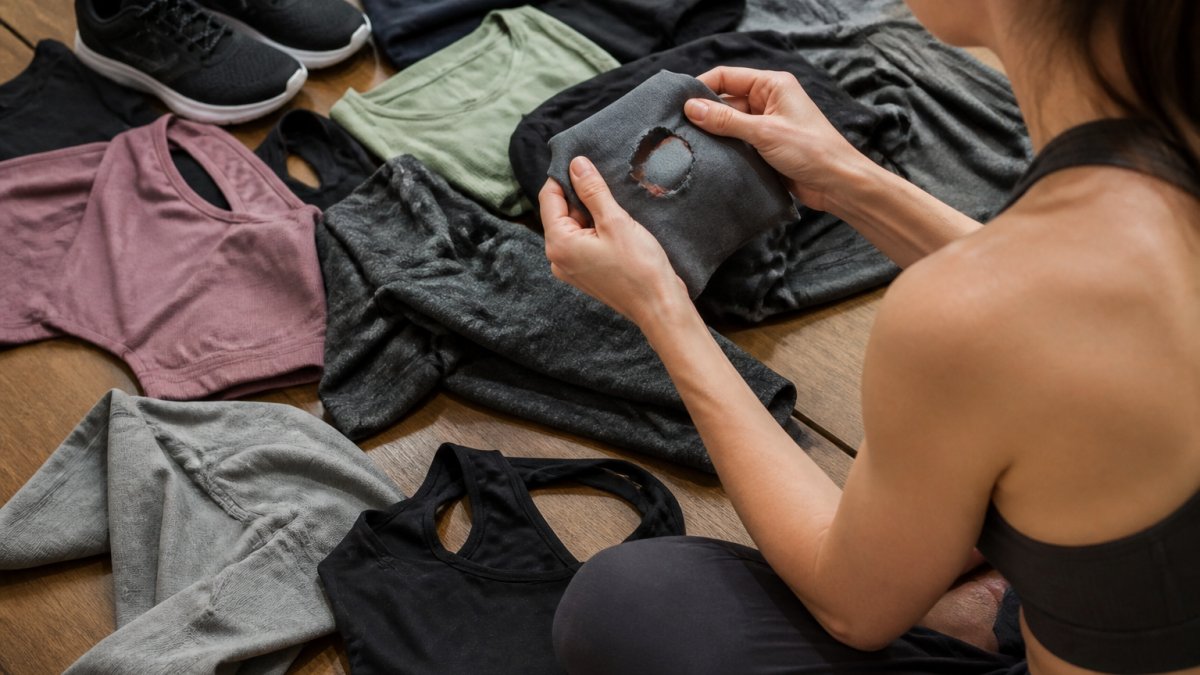
Moisture-wicking isn't just about comfort, it's about longevity. Fabric that holds sweat breaks down faster. Bacteria thrive in damp environments, accelerating fibre degradation and creating odours that don't wash out.
How Moisture-Wicking Technology Works in Practice
Hydrophobic synthetic fibres like polyester have a natural affinity for moisture. The fabric's tight weave with microscopic channels moves sweat from the inner surface outward through capillary action. Your sweat travels from skin to the fabric's outer surface, where air exposure evaporates it.
This matters for durability because sweat contains salt and body oils. Fabrics saturated with sweat degrade faster. The salt crystallises during drying and weakens fibres. Body oils break down elastane, causing the fabric to lose stretch and become baggy (peer-reviewed research).
Quick-dry fabrics dry in 2-4 hours. Standard athletic fabrics take 6-8 hours. If you wash your gym gear daily, quick-dry fabrics see fewer wash cycles over a year, meaning less wear.
Comparing Quick-Dry Versus Traditional Fabrics
Quick-dry fabrics use tightly woven synthetic blends with a brushed or napped back surface that speeds evaporation. Traditional athletic fabrics rely on looser weaves and natural fibres, which absorb moisture rather than repel it.
Quick-dry wins for durability in a gym context. Moisture trapped in traditional fabrics creates an environment where elastane breaks down faster. You'll notice this as loss of stretch and shape retention within 4-6 months of regular use.
| Fabric Type | Dry Time | Durability Rating | Best For | Downsides |
|---|---|---|---|---|
| Quick-dry polyester blend | 2-4 hours | Excellent (50+ washes) | High-intensity gym work | Can feel synthetic |
| Traditional cotton blend | 6-8 hours | Good (30-40 washes) | Casual wear, yoga | Moisture trapping |
| Seamless synthetic | 3-5 hours | Excellent (60+ washes) | Daily gym use | Higher cost |
| Recycled polyester | 3-4 hours | Very good (45-55 washes) | Eco-conscious athletes | Limited colour range |
Top Durable Activewear Options for Your Gym Routine
The best durable activewear is engineered for the specific activity you're doing, with seams and fabrics built to handle repeated stress.
Women's High-Performance Leggings and Tights
Women's leggings take a beating during squats, deadlifts, and high-intensity interval training. The best women's leggings for daily gym use have reinforced side panels, high-waisted designs that don't roll down, and squat-proof fabrics that don't become transparent under tension.
High-waisted designs are non-negotiable for durability. They sit above your natural waist and stay in place during movement. Mid-rise and low-rise leggings migrate downward during intense activity, forcing constant readjustment that stresses the waistband elastic.
Men's Compression and Training Shorts
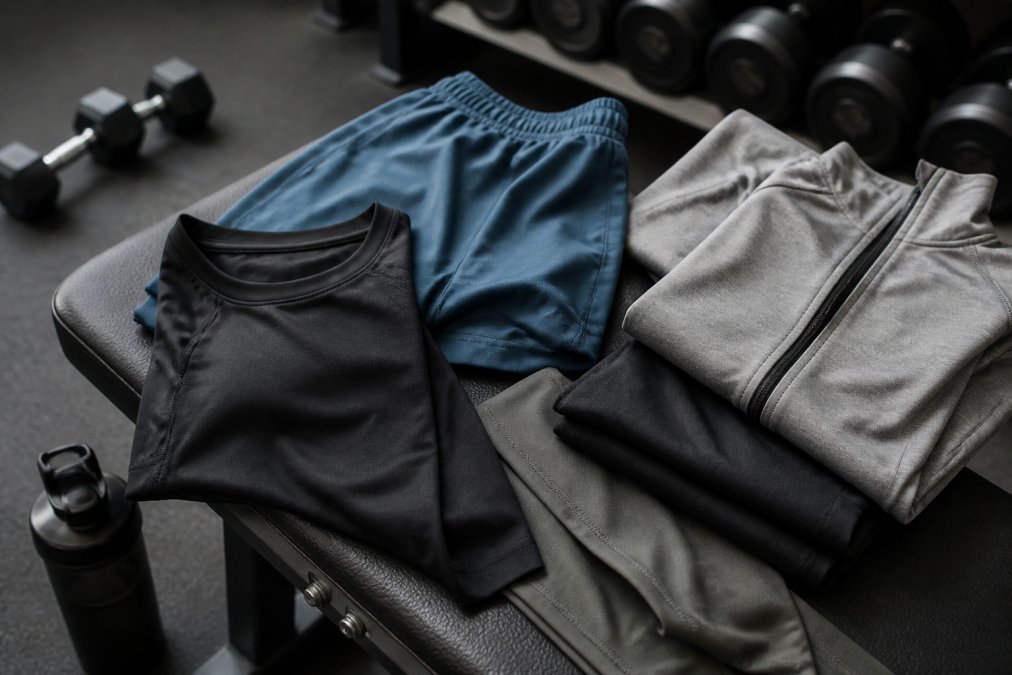
The primary durability challenge in men's shorts is the inseam, which experiences constant friction during squats and sprints. Shorts built with reinforced inseams, gusseted crotches, and breathable mesh linings last significantly longer than standard constructions.
For daily gym use, an inseam of around 18 cm balances coverage and freedom of movement. Woven training shorts offer greater durability for general gym use and weightlifting, though they're less stretchy than compression gear.
1. REVIVE Activewear: Versatile Performance Across All Activities
REVIVE Activewear stands out because it's purpose-built for athletes who need gear that works across multiple sports without compromise. Whether you're doing Padel tennis, CrossFit, yoga, or traditional gym work, REVIVE pieces adapt to the demands of each activity.
Their leggings and shorts use four-way stretch fabric with flatlock seams, meaning you get the durability of specialist gear without buying multiple pairs. REVIVE's Padel tech designs include reinforced side panels and anti-microbial treatments that keep gear fresh longer.
The ordering flexibility sets REVIVE apart for teams and studios. If you manage a fitness group and need matching sets, REVIVE handles bulk orders from a single item to thousands of units with dedicated support. Standard and express delivery options mean you're not locked into long lead times.

2. TALA Sculpt Seamless Leggings: Sustainable Durability
TALA Sculpt Seamless Leggings deliver durability through conscious material choices. The seamless construction across the entire leg eliminates chafing and reduces stress points. The fabric is made from recycled polyester, which performs identically to virgin polyester in terms of durability but with a lower environmental footprint.
The sculpting effect is genuine, with compression-like support from fabric construction. They hold their shape remarkably well through 50+ wash cycles. At £59, they're positioned as mid-premium.
Best for women doing strength training, HIIT, and yoga who want one pair that handles all three activities.

3. Sweaty Betty Power Leggings: Sweat-Wicking Excellence
Sweaty Betty Power Leggings are engineered specifically for sweat management. The fabric is explicitly designed to wick sweat away from your skin and dry quickly. After a 60-minute HIIT session, these leggings feel damp but not soaked and dry completely in 3-4 hours.
The side pockets are functional and don't create bulges. The adjustable drawcord at the waist gives you precision fit, reducing slipping and stress from constant readjustment. They maintain their shape and colour through extensive use.
At £88, they're expensive, but the sweat-wicking advantage is genuinely noticeable compared to standard leggings.
Best for women doing high-intensity training multiple times weekly who need gear that performs in hot, sweaty conditions.
4. Under Armour HeatGear: Compression Support for Men
Under Armour HeatGear represents the compression-focused approach to durability. The HeatGear fabric uses a proprietary blend designed to wick sweat and regulate temperature. The 4-way stretch construction means you get full range of motion without restriction.
The compression itself is the differentiator. It provides measurable support during heavy lifts and reduces muscle fatigue during recovery. Supported muscles recover faster, meaning you're less likely to compensate with poor form that stresses your gear.
The 3/4 length offers versatility; wear them standalone in warm conditions or layer under shorts in cooler weather. Starting at £30, the pricing is reasonable for compression technology.
Best for men doing weightlifting and high-intensity training who want muscle support and sweat management.
5. Myprotein Woven Training Shorts: Budget-Friendly Durability
Myprotein Woven Training Shorts prove that durability doesn't require premium pricing. The woven fabric construction is tougher than stretchy synthetic blends. Woven fabrics have a tighter weave that resists pilling and abrasion and don't lose shape the way elastic-heavy shorts do.
An inseam of around 18 cm balances coverage and movement. The fabric is suitable for weights and cardio without requiring a separate pair for each activity. After 40+ wash cycles, woven shorts maintain their structure while stretchy shorts start to sag.
Best for men on a budget who want shorts that last through heavy gym use without needing replacements every season.
How to Care for Gym Clothes to Make Them Last
Your washing routine matters as much as the gear itself. The best durable activewear deteriorates quickly if you treat it poorly.
Wash in cold water. Hot water breaks down elastane and accelerates colour fading. Use a gentle detergent and avoid bleach and fabric softeners, which weaken synthetic fibres.
Turn your gear inside out before washing to protect the outer surface from friction. Use a mesh laundry bag if washing multiple pieces together to reduce pilling and abrasion.
Air dry whenever possible. Tumble dryers create heat that breaks down spandex. Hang your leggings and shorts in a well-ventilated space; they'll dry in 4-8 hours. If you must use a dryer, use a low-heat setting and remove items while still slightly damp.
Wash less frequently than you think. Modern synthetic fabrics don't need washing after every single workout if you're not visibly sweating. Rinsing in cold water and air drying between wears extends the time between full washes, adding 20-30% to your gear's lifespan.
Avoid fabric softener and dryer sheets, which coat synthetic fibres and reduce their moisture-wicking ability. Store in a cool, dark place away from direct sunlight; UV exposure fades colours and weakens fabric over time.
Supporting Keyword: Moisture-Wicking Fabrics for Daily Workouts
Moisture-wicking is a combination of fabric properties that move sweat away from your body. The best moisture-wicking fabrics use hydrophobic synthetic fibres (polyester, nylon) with a tight weave that creates capillary channels moving sweat across the fabric surface where air exposure evaporates it.
Cotton does the opposite. It's hydrophilic, so it absorbs sweat and holds moisture, making gear feel heavy and damp. This is why cotton breaks down faster; moisture trapped in the fabric creates an environment where elastane degrades.
An 85% polyester, 15% spandex blend wicks moisture effectively while providing stretch. A 70% polyester, 30% cotton blend compromises on both fronts. Look for fabrics explicitly labelled with moisture-wicking technology names like HeatGear, Dri-FIT, AEROREADY, and Speedwick, which have measurable differences in how quickly they move sweat.
Supporting Keyword: How to Care for Gym Clothes to Make Them Last
Proper care extends the life of your durable activewear by 30-50%. Many athletes buy expensive gear and then destroy it through careless washing.
The golden rule: cold water, gentle detergent, air dry. This combination minimises stress on synthetic fibres and elastane. Hot water accelerates elastane breakdown. Harsh detergents strip the fabric's water-repellent coating. Heat from dryers weakens spandex permanently.
Wash inside out to protect the outer surface from friction. Avoid washing with heavy fabrics like jeans or towels that create friction and pilling. Never tumble dry synthetic activewear; the heat and friction combination damages moisture-wicking coatings and elastane.
Address stains immediately but gently. Soak in cold water with a small amount of detergent for 15-30 minutes, then rinse thoroughly. Avoid scrubbing, which damages fibres. Store in cool, dark conditions; heat and sunlight degrade synthetic fabrics over time.
Choosing durable activewear for daily gym use means understanding what makes gear last: fabric weight and construction, seam strength, and moisture management. REVIVE Activewear delivers on all three, with the added flexibility of scalable ordering and expert support for both individuals and teams. Whether you're building a personal gym wardrobe or outfitting a studio, the key is matching your gear to your specific activities and committing to proper care. The difference between gear that lasts six months and gear that lasts two years often comes down to washing habits, not price.
Frequently Asked Questions
What fabrics offer the best durability for daily gym use?
Four-way stretch polyester blends, recycled polyester, and nylon-spandex combinations deliver superior durability. Look for abrasion-resistant construction, flatlock seams, and pilling-resistant treatments. Brands like REVIVE, TALA, and Sweaty Betty use these materials specifically for frequent washing and intense activity. The weight of the fabric matters too, heavier weaves typically resist pilling and wear longer than lightweight options.
How do moisture-wicking fabrics for daily workouts actually prevent sweat buildup?
Moisture-wicking fabrics pull sweat away from your skin to the outer surface, where it evaporates quickly. Technologies like Nike's Dri-FIT and Adidas's AEROREADY use specially engineered fibres that repel water while allowing air circulation. This keeps you dry during workouts and reduces bacterial growth that causes odour. For daily gym use, quick-dry fabrics reduce the time needed between washes and extend garment lifespan by minimising moisture-related damage.
Can I wear the same activewear piece multiple times per week without damaging it?
Yes, but spacing out wears extends durability significantly. Wearing the same piece 3-4 times weekly with at least one rest day between wears allows elastic fibres to recover. Rotate between at least two pairs of leggings or shorts to reduce stress on seams and elasticity. Proper care between wears, air drying, avoiding heat, is crucial. REVIVE's durable construction and Sweaty Betty's shape-retention fabrics are designed to handle frequent rotation without degradation.
What should I look for in sizing to ensure activewear stays durable through repeated wear?
Choose a size that fits snugly but not restrictively. Overly tight activewear stretches seams and elasticity prematurely, whilst loose fit causes excess movement and friction-related pilling. Check detailed fit guides and customer reviews for true-to-size information. REVIVE provides expert team support to help match your body shape to the right size. Proper fit reduces strain on construction and extends garment life.
This article was written using GrandRanker