 listicle
Gymshark Alternatives for High-Intensity Training
Table of Contents
- Why Athletes Switch From Gymshark to Other Brands
- Best Moisture-Wicking Gym Clothes for High-Intensity Training
- Performance Gear for Padel Tennis and Cross-Training
- Durable Activewear for HIIT: What Actually Lasts
- Comparing Fit, Compression, and Range of Motion
- Budget-Friendly Options vs Premium Performance Gear
- Which Brand Suits Your Training Style
Last Updated: August 26, 2026
Why Athletes Switch From Gymshark to Other Brands
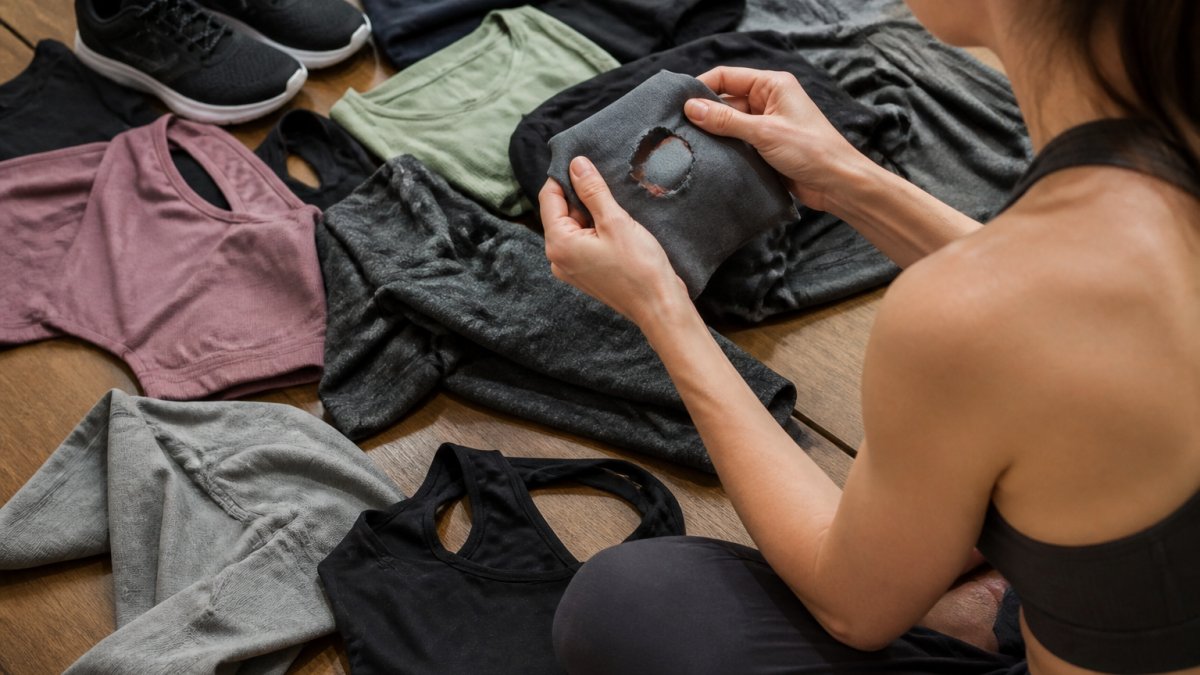
Many athletes who start with Gymshark eventually look elsewhere because their training demands evolve beyond what a single option offers. Athletes switching away typically cite three specific gaps: Gymshark's strength lies in aesthetics and general gym wear, but their technical performance features for explosive, high-impact movements fall short compared to brands engineered specifically for HIIT and cross-training. Second, fit consistency varies across their range. Third, durability under extreme sweat production and repeated high-friction movements reveals weaknesses in fabric choice and seam construction.
Athletes switch because they need moisture-wicking that genuinely handles intense sweat, four-way stretch that moves with explosive movements, and fabric that survives 15 intense sessions per week without degradation. This guide covers alternatives that deliver on those specifics and explains what makes each suited to different training styles.
Best Moisture-Wicking Gym Clothes for High-Intensity Training
Moisture-wicking is a technical requirement that separates adequate gear from performance gear. When you're doing burpees, mountain climbers, or high-intensity interval circuits, sweat production reaches levels that standard cotton or basic synthetic blends can't handle. The fabric needs to pull moisture away from your skin faster than your body produces it, then dry quickly enough that the garment doesn't become a liability during your next set.
Nike Pro stands out with Dri-FIT technology, which actively moves sweat away from skin and towards the fabric surface where it can evaporate. The engineering uses polyester and nylon blends with strategic ventilation panels at high-heat zones (underarms, chest, lower back). For HIIT specifically, their tighter compression fits provide muscle containment during explosive movements, reducing bounce and chafing. Tops start around £34.99.
Under Armour's HeatGear fabric manages thermal regulation during intense indoor sessions. Their training collection includes shorts and tops engineered for circuit training and HIIT classes. The UA Tech line offers a looser, lighter alternative if compression doesn't suit your preference. Men's short-sleeve tops start around £15.50.
Myprotein's HIIT collection emphasises four-way stretch alongside moisture-wicking, the specific combination explosive movements demand. Four-way stretch means the fabric moves with you in all directions, crucial when transitioning rapidly from planks to jumps to lateral movements. Leggings start around £5.99, with lighter fabric weight but substantial durability.
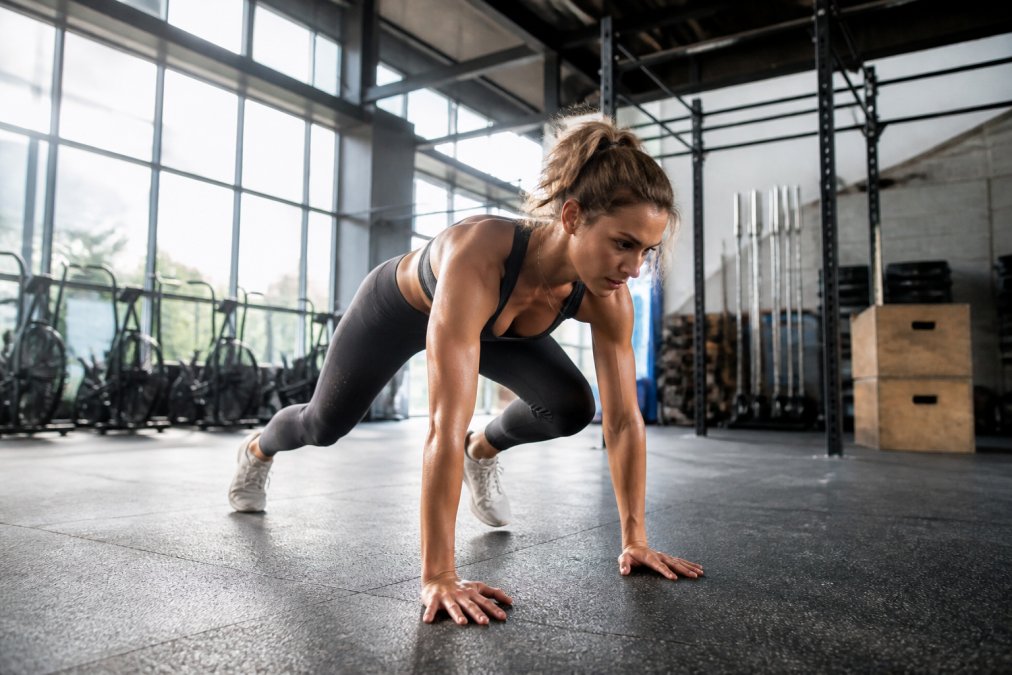
REVIVE Activewear and Apparel integrates moisture-wicking across their activewear range with particular attention to cross-training and high-intensity sessions. Their approach combines technical fabric selection with thoughtful design: seams positioned to avoid friction zones, ventilation panels at stress points, and fabric blends chosen specifically for sweat management during intense training.
Performance Gear for Padel Tennis and Cross-Training
Padel tennis sits at the intersection of court speed, lateral movement, and sustained intensity. Unlike running, Padel demands rapid direction changes, explosive lateral bursts, and constant repositioning. Your gear needs to accommodate that specific movement profile, which is why general gym wear often fails Padel players.
The critical feature for Padel-specific apparel is lateral stretch combined with durability in high-friction zones. Your inner thighs, underarms, and areas where clothing contacts the court surface experience constant abrasion. Padel-engineered gear uses reinforced seams and fabric blends in those zones.
Castore's Anatomic range addresses this directly. Built for athletes who demand unrestricted performance through dynamic movements, their technical fabrications include reinforced stitching at stress points and breathable materials that handle court intensity. Shorts and tops start around £35-45.
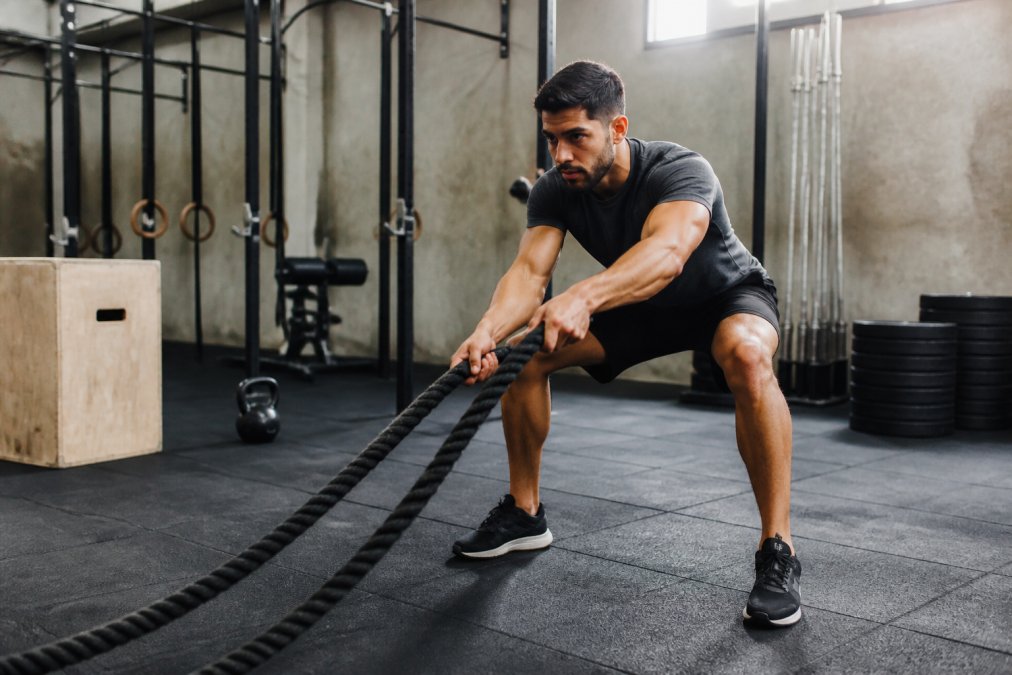
For cross-training, the blend of strength, cardio, and functional fitness, you need gear that transitions seamlessly between barbell work, metabolic conditioning, and endurance elements. Lululemon's License to Train collection was designed precisely for this. Their abrasion-resistant material handles friction from rope climbs, sled pushes, and floor work. The fit is deliberately non-restrictive, allowing full range of motion through compound movements. Tops start around £39, shorts around £49.
REVIVE Activewear and Apparel's Padel tech designs specifically address the movement demands of court sport. Their focus on Padel-engineered apparel means fabric, seam placement, and fit account for lateral movement, court contact, and the specific sweat patterns of court play.
| Brand | Best For | Key Feature | Price Range |
|---|---|---|---|
| Castore Anatomic | Cross-training & HIIT | Unrestricted performance, reinforced seams | £35-45 |
| Lululemon License to Train | Durability under friction | Abrasion-resistant, non-restrictive fit | £39-49 |
| REVIVE Activewear | Padel tennis & court sports | Padel tech design, lateral movement support | Contact for pricing |
| Nike Pro | HIIT & gym training | Dri-FIT technology, compression options | £34.99-49.99 |
Durable Activewear for HIIT: What Actually Lasts
Durability is where most athletes discover what they actually bought. A top looks perfect in week one. By week twelve of regular HIIT training, you'll know whether the seams hold, whether the fabric pills, and whether the moisture-wicking performance persists after repeated washing.
The difference between gear that lasts and gear that doesn't comes down to three technical factors: fabric weight and fibre composition, seam construction, and finish quality. Heavier technical fabrics, typically 200+ grams per square metre, maintain integrity through dozens of wash cycles. Flat-lock seams or seamless construction prevents the chafing and fraying that standard stitching develops after 20-30 intense sessions.
Adanola's Impact collection emphasises this durability profile. Their leggings use bonded edges and contoured segments designed to prevent seam failure under repeated high-impact movement. The fabric is intentionally seamless in critical zones, eliminating the primary failure point in activewear. Leggings start around £40-65.
Sweaty Betty's Power collection takes a similar approach, with high-performance fabrics engineered for durability across multiple workout types. Their high-performance biker shorts use reinforced construction at high-friction zones. Leggings start around £70.25.
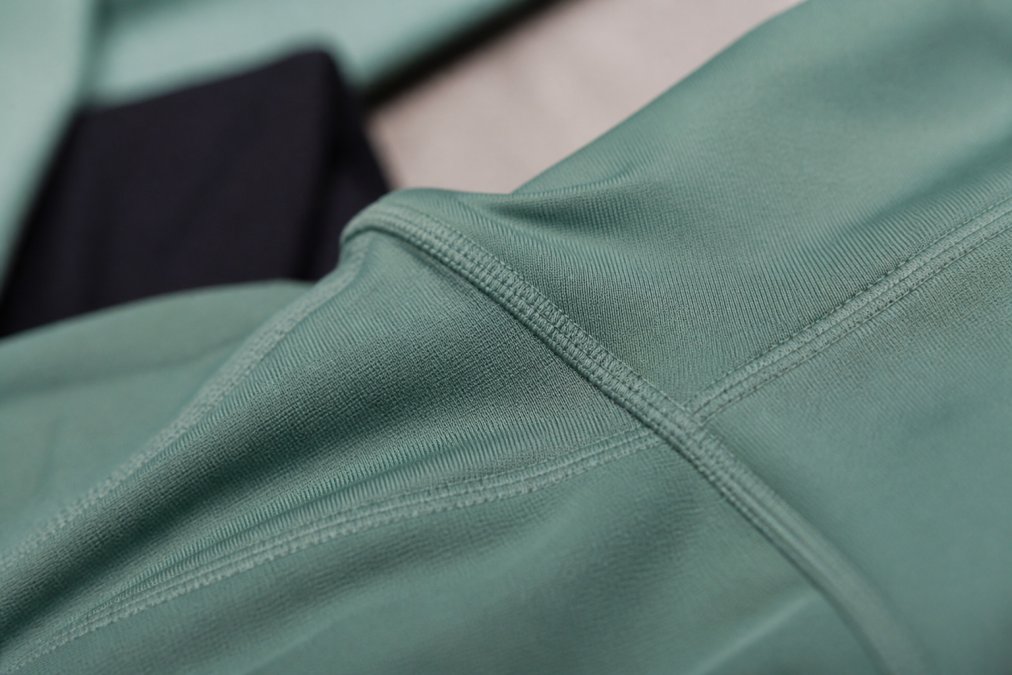
TALA's SkinLuxe collection combines durability with sustainability, using recycled and natural fabrics that maintain performance through repeated wear and washing. Leggings start around £48-56, with construction that prioritises garment longevity through heavier fabrics and reinforced seams.
Comparing Fit, Compression, and Range of Motion
This is where the real differences between brands emerge. Two athletes with identical training goals can have completely different experiences with the same brand because fit consistency varies dramatically across ranges and sizes.
Compression serves a specific function in HIIT: it reduces muscle oscillation during explosive movements, decreasing fatigue and improving performance (peer-reviewed research). Compression is a spectrum. Light compression (around 15-20% fabric tension) provides mild muscle support without restricting movement. Medium compression (20-30%) offers noticeable support during high-impact activities. High compression (30%+) provides maximum support but can restrict range of motion if fit isn't precise.
Nike Pro offers compression options across their range, with different fits explicitly labelled: loose, standard, slim, and tight. This transparency helps athletes match compression level to their preference and body type. Their sizing generally runs true-to-size.
Under Armour's approach emphasises range of motion over compression. Their training pieces are deliberately cut to allow unrestricted movement through compound exercises. Their fit tends to run slightly small.
Lululemon's License to Train collection prioritises fit consistency with exceptional precision. Their sizing is generally true to size, though some items may fit looser or longer.
REVIVE Activewear and Apparel addresses fit inconsistency directly with detailed fit guidance and customer reviews that specifically address fit across body types.
| Feature | Nike Pro | Under Armour | Lululemon | REVIVE |
|---|---|---|---|---|
| Compression Options | Multiple (loose to tight) | Minimal (movement-focused) | Medium (consistent) | Varied by piece |
| Fit Consistency | Excellent | Good (runs small) | Excellent | Detailed fit guides |
| Range of Motion | Good | Excellent | Good | Excellent |
| Sizing Transparency | Clear labelling | Standard sizing | Precise fit | Detailed guides |
Budget-Friendly Options vs Premium Performance Gear
The activewear market splits into three price tiers, each with different trade-offs.
Budget options (£20-35) include Myprotein and basic Nike offerings. These brands deliver functional gear that handles regular training. Myprotein specifically offers excellent value for HIIT with four-way stretch and moisture-wicking. For athletes training 2-3 times per week, this tier makes financial sense.
Mid-range options (£35-60) include Under Armour, Adanola, and mid-tier Nike and Lululemon pieces. This tier offers the best balance of durability, performance, and value. Technical features like four-way stretch, seamless construction, and reinforced seams are present and functional. Most serious athletes settle here.
Premium options (£60-80+) include Lululemon, Sweaty Betty, and TALA. These brands prioritise durability and technical precision. For athletes training 4+ times per week, the higher initial investment translates to lower long-term cost.
REVIVE Activewear and Apparel operates across this spectrum with scalable pricing. Whether you're ordering one piece or 100, you get consistent quality. For individuals, pricing depends on the specific piece and quantity. For team orders, bulk discounts and dedicated support reduce per-unit cost significantly.
The practical calculation: if you train 3 times per week at high intensity, a £50 piece worn 150 times costs £0.33 per wear. A £25 piece worn 50 times costs £0.50 per wear. The premium option becomes cheaper long-term.
Which Brand Suits Your Training Style
Your training style, not your budget or brand loyalty, should determine which alternative fits best.
If you do structured HIIT classes (burpees, mountain climbers, high-impact cardio), prioritise moisture-wicking and compression. Nike Pro and Myprotein both excel here. The fabric needs to manage intense sweat production and provide muscle support during explosive movements.
If you cross-train (mixing strength, cardio, and functional fitness), durability and range of motion matter most. Castore's Anatomic range and Lululemon's License to Train collection are engineered for this. You need gear that survives rope climbs and sled pushes without degrading, paired with fits that allow full range of motion.
If you play Padel tennis or court sports, you need lateral stretch and abrasion resistance. REVIVE Activewear and Apparel's Padel tech designs address this specifically. Standard gym wear fails on court because it's not engineered for the movement patterns and surface contact unique to court sports.
If you prioritise sustainability alongside performance, TALA's SkinLuxe collection and Adanola's Impact range use recycled and natural fabrics without sacrificing durability.
If you need to outfit a team or fitness studio, REVIVE Activewear and Apparel's scalable ordering and bulk support simplify the process. You get consistent quality across every piece, dedicated expert support for sizing and customisation, and flexible delivery options.
Switching from Gymshark to a more specialised alternative isn't about finding a "better" brand, it's about matching your gear to your actual training demands. Whether you're doing high-intensity interval training, cross-training, or Padel tennis, the brands covered here deliver the technical performance and durability that generic gym wear can't match. REVIVE Activewear and Apparel combines quality construction, Padel-specific tech design, and scalable ordering (from single items to team outfits) with dedicated expert support to ensure you get gear that performs exactly as you need it. Nike's Dri-FIT technology documentation confirms moisture-wicking effectiveness for high-intensity training, while textile durability standards for activewear outline the fabric specifications that separate durable gear from disposable options. For teams or bulk orders, REVIVE's approach removes the friction of coordinating multiple suppliers while maintaining consistent quality across every piece.
=== FAQ ANSWERS (audit these too, same rules) ===
[1] Q: What are the best Gymshark alternatives for high-intensity training? A: Top Gymshark alternatives for HIIT include Nike Pro, Lululemon's License to Train, Under Armour, Myprotein, Adanola, and REVIVE Activewear. Each offers moisture-wicking fabrics, four-way stretch, and durable construction designed for explosive movements. Nike Pro excels in affordability and range; Lululemon offers premium durability; Under Armour specialises in temperature regulation; Myprotein balances performance with value; Adanola provides compression with style; and REVIVE delivers versatility across multiple sports including Padel tennis.
[2] Q: What makes activewear suitable for high-intensity interval training? A: HIIT-appropriate activewear must feature moisture-wicking fabrics to manage intense sweat production, four-way stretch for multi-directional movement, seamless or minimal-seam construction to prevent chafing, and durable fabric that resists abrasion from high-impact movements. Breathability and quick-dry properties are essential. Squat-proof construction, high-impact support in sports bras, and ergonomic seams that won't irritate during intense activity are also critical factors.
[3] Q: Is REVIVE Activewear a good alternative to Gymshark? A: Yes, REVIVE Activewear offers high-quality, stylish activewear designed for gym workouts, running, yoga, and Padel tennis. The brand excels in scalable ordering from single items to bulk quantities, fast delivery options, and expert team support. REVIVE's innovative Padel tech designs and commitment to blending performance with design make it a strong alternative for athletes seeking versatility across multiple training disciplines and reliable customer service.
[4] Q: How do I know if activewear will hold up during regular high-intensity training? A: Look for brands that specify abrasion-resistant fabrics, seamless or bonded-edge construction, and durable stitching. Check customer reviews for feedback on garment longevity after repeated washing and intense use. Brands like Lululemon, Under Armour, and REVIVE are known for durability. Avoid thin, lightweight fabrics that pill easily. Premium brands often provide detailed fabric composition and construction methods, this transparency indicates confidence in longevity.
[5] Q: What's the difference between compression and loose-fit activewear for HIIT? A: Compression activewear provides muscle support, reduces bounce, and enhances blood flow, ideal for high-impact movements and athletes seeking a sculpted fit. Loose-fit gear prioritises freedom of movement and breathability, suiting those who prefer unrestricted motion. For HIIT, compression works best for sports bras and high-impact activities; many athletes prefer a mix: compression bases with loose-fit tops for ventilation during intense cardio.
Frequently Asked Questions
Q: What are the best Gymshark alternatives for high-intensity training?
A: Top Gymshark alternatives for HIIT include Nike Pro, Lululemon's License to Train, Under Armour, Myprotein, Adanola, and REVIVE Activewear. Each offers moisture-wicking fabrics, four-way stretch, and durable construction designed for explosive movements. Nike Pro excels in affordability and range; Lululemon offers premium durability; Under Armour specialises in temperature regulation; Myprotein balances performance with value; Adanola provides compression with style; and REVIVE delivers versatility across multiple sports including Padel tennis.
Q: What makes activewear suitable for high-intensity interval training?
A: HIIT-appropriate activewear must feature moisture-wicking fabrics to manage intense sweat production, four-way stretch for multi-directional movement, seamless or minimal-seam construction to prevent chafing, and durable fabric that resists abrasion from high-impact movements. Breathability and quick-dry properties are essential. Squat-proof construction, high-impact support in sports bras, and ergonomic seams that won't irritate during intense activity are also critical factors.
Q: Is REVIVE Activewear a good alternative to Gymshark?
A: Yes, REVIVE Activewear offers high-quality, stylish activewear designed for gym workouts, running, yoga, and Padel tennis. The brand excels in scalable ordering from single items to bulk quantities, fast delivery options, and expert team support. REVIVE's innovative Padel tech designs and commitment to blending performance with design make it a strong alternative for athletes seeking versatility across multiple training disciplines and reliable customer service.
Q: How do I know if activewear will hold up during regular high-intensity training?
A: Look for brands that specify abrasion-resistant fabrics, seamless or bonded-edge construction, and durable stitching. Check customer reviews for feedback on garment longevity after repeated washing and intense use. Brands like Lululemon, Under Armour, and REVIVE are known for durability. Avoid thin, lightweight fabrics that pill easily. Premium brands often provide detailed fabric composition and construction methods, this transparency indicates confidence in longevity.
Q: What's the difference between compression and loose-fit activewear for HIIT?
A: Compression activewear provides muscle support, reduces bounce, and enhances blood flow, ideal for high-impact movements and athletes seeking a sculpted fit. Loose-fit gear prioritises freedom of movement and breathability, suiting those who prefer unrestricted motion. For HIIT, compression works best for sports bras and high-impact activities; many athletes prefer a mix: compression bases with loose-fit tops for ventilation during intense cardio.
This article was written using GrandRanker