 ultimate-guide
What to Look for in Padel Clothing: A 2026 Guide
Table of Contents
- Why Padel Clothing Matters: Performance Beyond Fashion
- Moisture-Wicking Fabrics and Breathable Materials for Padel
- Fit, Comfort, and Freedom of Movement
- Essential Padel Tops: T-Shirts, Polos, and Layering
- Bottoms: Shorts, Skirts, and Leggings for Court Play
- Padel Court Etiquette and Dress Code Standards
- Footwear: Non-Marking Shoes with Lateral Support and Grip
- Third Shot vs. REVIVE Activewear: Understanding Your Options
Last Updated: August 29, 2026
Why Padel Clothing Matters: Performance Beyond Fashion
The right padel apparel directly impacts your performance, comfort, and movement during intense rallies. Padel's smaller, enclosed court demands specialized clothing designed for the sport's unique movement patterns, lateral shifts, rapid direction changes, and explosive side-to-side movements that differ fundamentally from traditional tennis.
The difference between generic gym wear and proper padel clothing becomes obvious within minutes on court. Poor fabric choices lead to sweat pooling, restricted movement, and discomfort that distracts from your game. Technical padel apparel handles moisture efficiently, moves with your body, and keeps you focused on shot selection and positioning.
This guide covers fabric technology, fit considerations, essential pieces, and footwear requirements so you can make informed decisions that improve your game.
Moisture-Wicking Fabrics and Breathable Materials for Padel
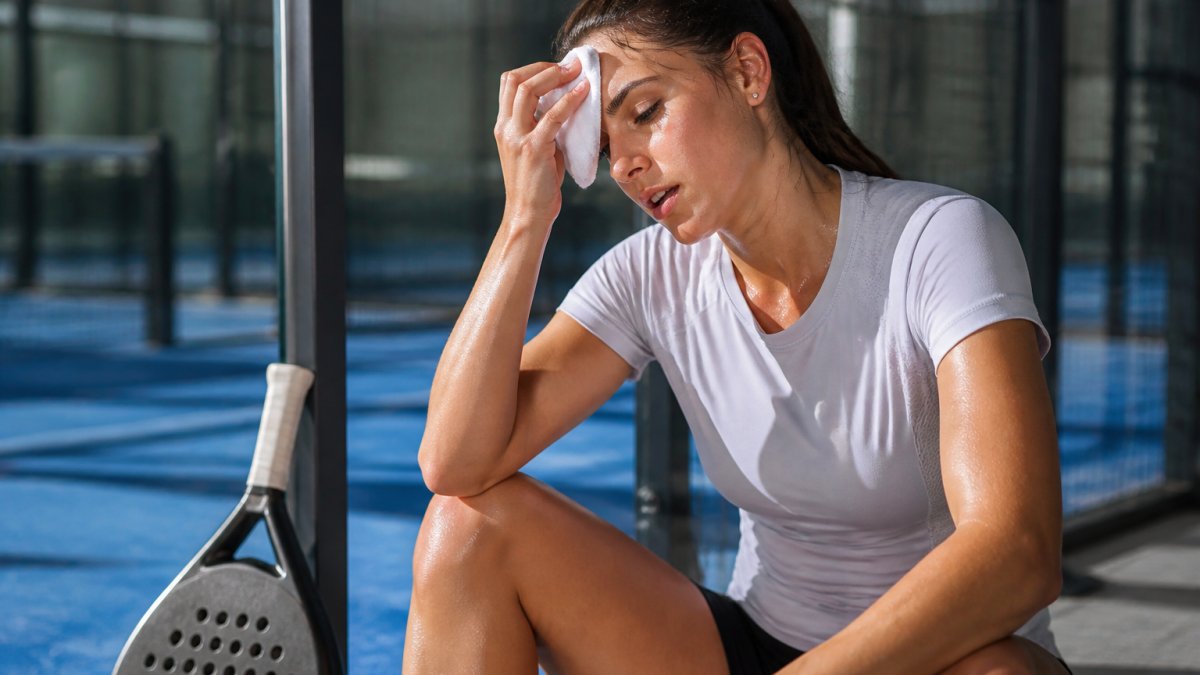
Moisture-wicking is the single most important fabric characteristic for padel clothing. When moving constantly on court, your body generates significant heat and perspiration. Standard cotton absorbs moisture and holds it against your skin, creating a heavy, uncomfortable layer that restricts movement.
Breathable, moisture-wicking fabrics pull sweat away from your skin toward the fabric's outer surface, where it evaporates quickly. This keeps you dry and focused on your game rather than wet fabric clinging to your body.
Polyester Blends and Synthetic Fabrics
Polyester remains the gold standard for padel clothing because it excels at moisture management. Look for polyester content of at least 85% in tops and bottoms (peer-reviewed research). Blends that include elastane (typically 5-15%) add stretch and recovery, meaning the fabric returns to its original shape even after intense movement and repeated washing (peer-reviewed research).
Synthetic fabrics also resist pilling and abrasion better than natural fibres, which matters on padel courts where friction against the court surface and walls is constant. A quality polyester blend will maintain its appearance and performance through dozens of washes and seasons of regular play.
Quick-Dry Technology and Temperature Regulation
Quick-dry technology refers to fabric treatments and weaves designed to shed moisture rapidly. Some fabrics use special surface treatments that reduce water absorption at the fibre level; others employ looser weaves that allow air to circulate more freely, speeding evaporation.
As sweat evaporates from the fabric surface, it draws heat away from your body, creating a natural cooling effect (peer-reviewed research). This is why moisture-wicking fabrics feel cooler than cotton even in warm conditions. Look for fabrics described as "quick-dry" or with specific technology names indicating moisture management.
Fit, Comfort, and Freedom of Movement
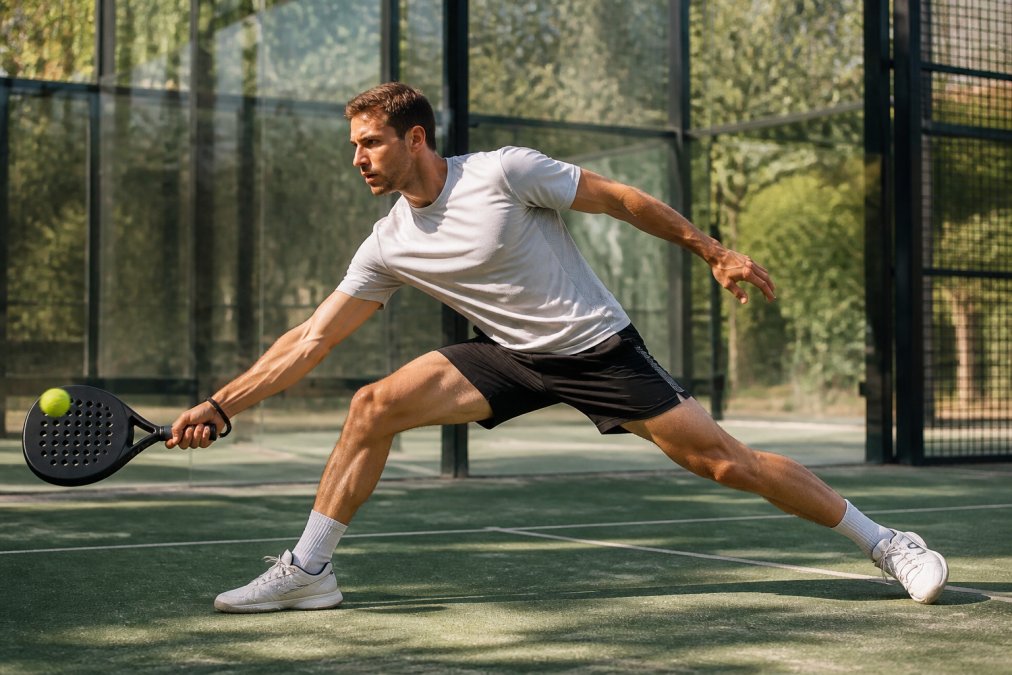
Fit determines whether your padel clothing enhances your game or hinders it. The ideal fit is snug but not tight, the fabric should follow your body's contours without bunching, pulling, or creating excess fabric at seams. When you raise your arms overhead or rotate your torso, the clothing should move with you without restriction.
Ergonomic Design for Court Performance
Ergonomic design means seams, cuts, and construction support your actual movement patterns. Padel-specific tops often feature dropped or curved armholes for full shoulder and arm rotation, side seams positioned to avoid underarm friction, tapered fits through the torso, and reinforced seams in high-stress areas.
These design choices eliminate distractions. When seams align with your natural movement, you don't notice them. Look for clothing with construction details that suggest the designer understands padel movement. Brands like REVIVE Activewear and Apparel build these ergonomic details into every piece because they understand how the sport demands different fit than general fitness wear.
Sizing and Gender-Neutral Options
Finding the right size requires more than standard sizing. Many brands now offer extended sizing and detailed fit guides that account for different body types. Some provide information showing how their clothing runs: whether it's true-to-size, runs small, or runs large.
Gender-neutral sizing options are increasingly available, expanding choices for players who don't fit neatly into traditional categories. When shopping, prioritise brands that provide detailed sizing information, customer fit feedback, and clear return policies.
Essential Padel Tops: T-Shirts, Polos, and Layering
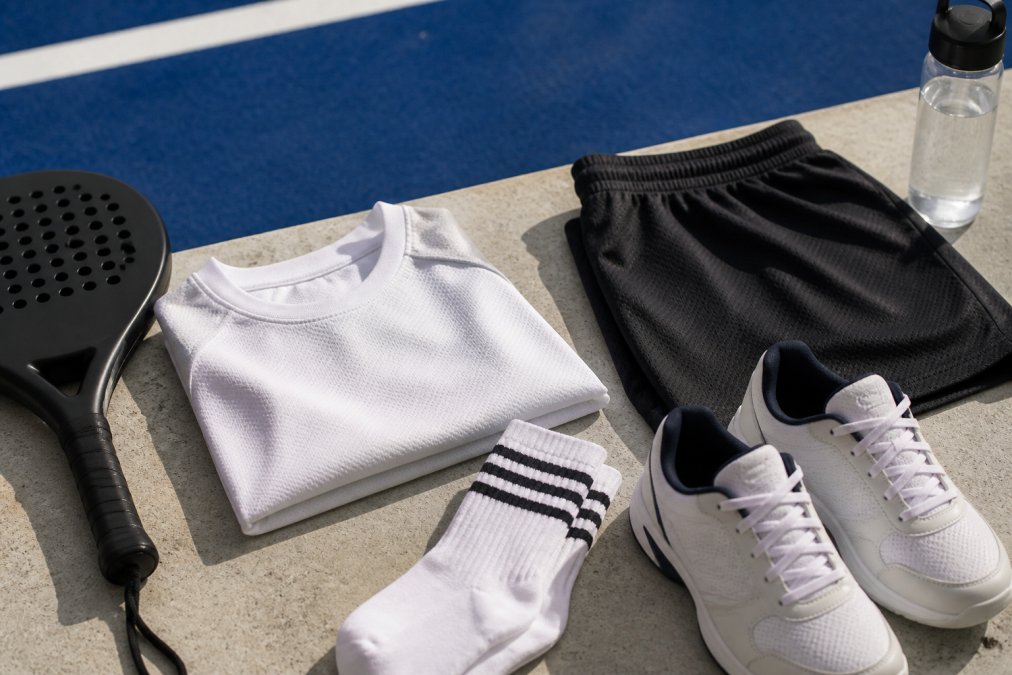
Technical t-shirts are the foundation of padel apparel. These are constructed from moisture-wicking synthetics with tailored fits designed for athletic movement. A quality padel t-shirt should feel lightweight, dry quickly, and allow full arm mobility without excess fabric.
Polos offer a more polished aesthetic while maintaining performance. Padel polos typically feature moisture-wicking fabric, stretch content for movement, and collar construction that doesn't restrict neck mobility. Some include ventilation panels or mesh inserts in high-heat areas to enhance breathability during intense play.
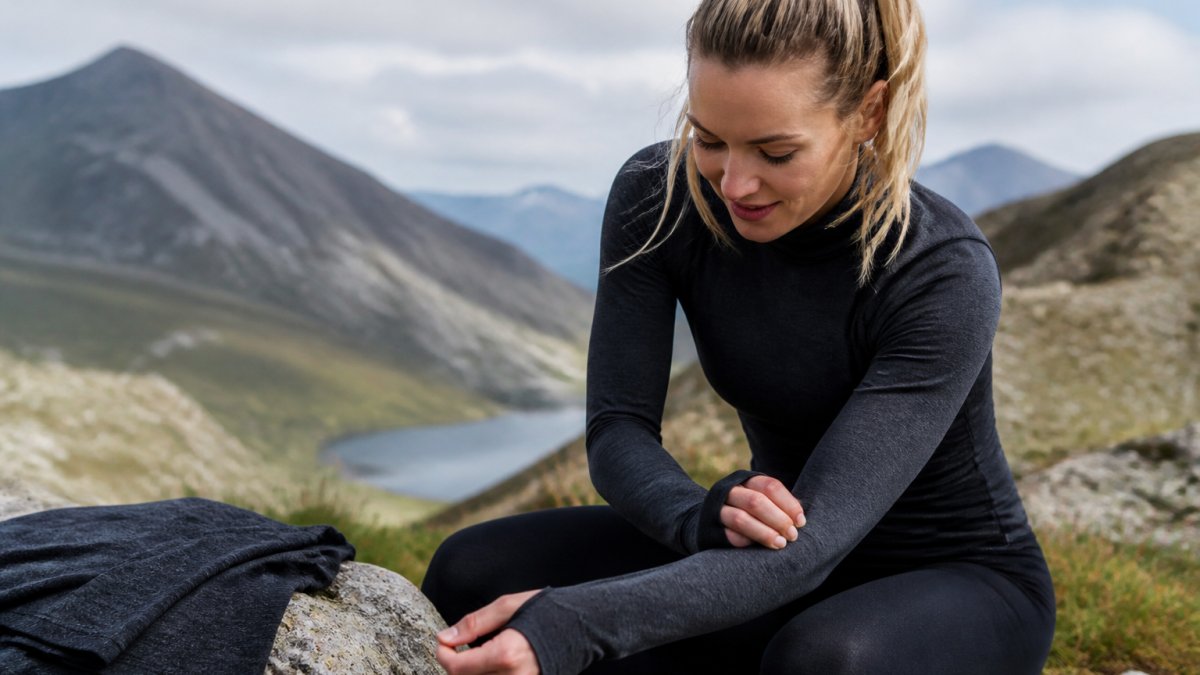
Layering becomes relevant in cooler conditions. A lightweight long-sleeve moisture-wicking top worn under a sleeveless tank provides temperature flexibility without sacrificing mobility. Both pieces should be constructed from quick-dry fabric so moisture moves through both layers efficiently.
Bottoms: Shorts, Skirts, and Leggings for Court Play
Padel shorts should be mid-thigh length, allowing full leg mobility while maintaining appropriate court coverage. Look for shorts with moisture-wicking fabric, internal compression shorts to prevent chafing, flat seams, and waistbands with drawstring adjustment for a secure fit.
Padel skirts and skorts have become increasingly popular. Quality padel skirts are constructed from technical fabrics and include built-in compression shorts underneath. The skirt should be fitted through the hips and thighs without restricting movement.
Leggings work well in cooler conditions if constructed from technical, moisture-wicking fabric. Look for leggings with a high waistband that stays in place during movement and seams positioned to avoid friction in areas experiencing repetitive motion.
The waistband is critical regardless of bottoms style. It should sit securely at your natural waist without digging in or sliding down during movement.
Padel Court Etiquette and Dress Code Standards
While padel is generally more casual than traditional tennis, most clubs maintain dress code standards. Standard padel dress code typically requires athletic tops in solid colours or subtle patterns, athletic shorts or leggings, court shoes with non-marking soles, and neutral colours.
Most clubs prohibit denim, jeans, street clothes, and heavy cotton t-shirts. Cotton absorbs moisture and doesn't dry quickly, creating uncomfortable conditions and potentially damaging court surfaces.
Check facility requirements before your first session. Professional padel tournaments often require all-white or predominantly white clothing.
Footwear: Non-Marking Shoes with Lateral Support and Grip
Your shoes are arguably more important than your clothing. Padel demands rapid lateral movement, quick direction changes, and explosive pushing off the court surface. Shoes that don't provide adequate lateral support or grip significantly increase injury risk.
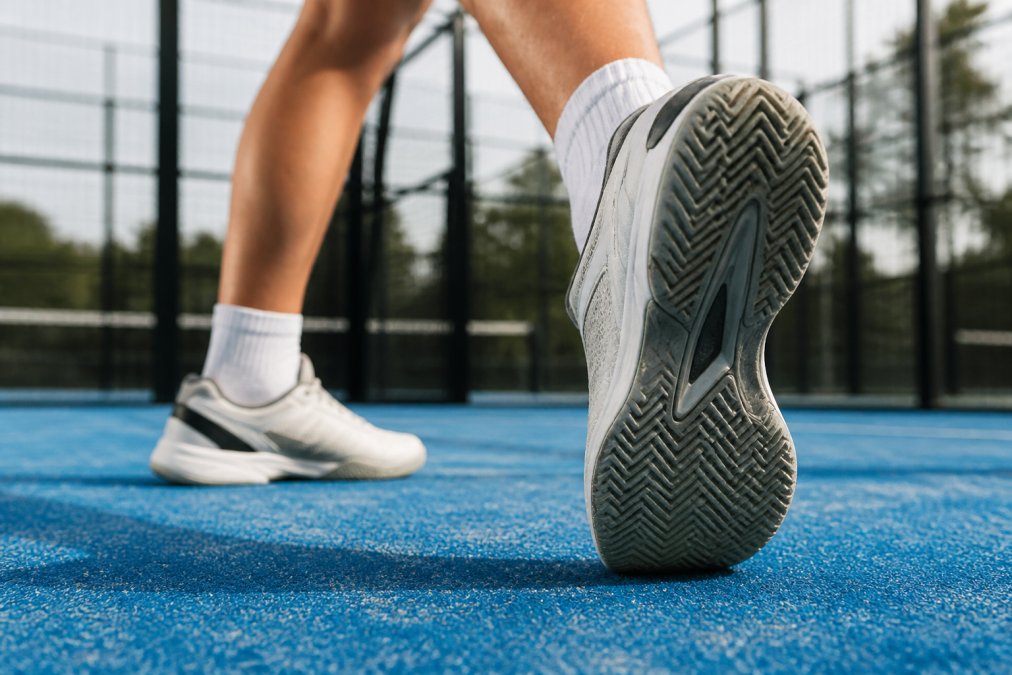
Non-marking soles are non-negotiable. Padel courts mark easily, and shoes with dark rubber soles leave visible marks that damage the court. Padel-specific shoes have white or light-coloured rubber soles designed not to mark these surfaces.
Herringbone and Mixed Sole Patterns
The sole pattern directly affects your traction on the court. Herringbone patterns feature diagonal lines crossing the sole, creating multiple contact points that provide excellent grip in all directions. This pattern is ideal for padel because you're moving laterally as often as forward.
When examining shoe soles, look for patterns with clear, defined lines rather than smooth surfaces. A sole that feels smooth won't provide adequate grip on padel courts.
Ankle Stability and Cushioning
Lateral ankle support is critical for padel because the sport involves constant sideways movement. Your shoe should provide a structured heel counter, midfoot support that prevents rolling or twisting during lateral cuts, ankle collar design that provides support without restricting mobility, and cushioning in the heel and forefoot to absorb impact.
Test shoes by simulating padel movements in the store. Walk laterally, push off the court surface, and perform quick direction changes. Your foot should feel stable and supported without the shoe feeling restrictive.
Third Shot vs. REVIVE Activewear: Understanding Your Options
When choosing padel clothing, you'll encounter several brands offering technical apparel. REVIVE Activewear and Apparel specialises in padel-specific technical wear designed for the sport's unique movement demands. Every piece is engineered with padel players in mind, from ergonomic fit that supports lateral movement to fabric technology optimized for court conditions.
REVIVE emphasizes that padel clothing should perform as hard as you do on court. The brand offers scalable ordering quantities with standard or express delivery options, backed by dedicated expert support. Whether you're a recreational player or managing a fitness studio's padel program, REVIVE can accommodate your needs with reliable delivery and technical expertise.
Other brands may offer general athletic apparel adapted for padel or focus on fashion over performance. Prioritizing performance-driven features, moisture-wicking fabrics, ergonomic cuts, and lateral support in shoes ensures your clothing enhances your game rather than simply looking the part.
Choosing proper padel clothing requires understanding how fabric technology, fit, and footwear directly impact your performance and comfort on court. The investment in technical apparel pays dividends through improved movement, better moisture management, and reduced risk of discomfort or injury during play. REVIVE Activewear and Apparel offers padel-specific designs engineered for lateral movement, quick-dry performance, and durability through extended seasons of regular play.
| Clothing Element | Key Feature | Why It Matters |
|---|---|---|
| Tops | Moisture-wicking polyester blend | Keeps you dry and comfortable during intense movement |
| Bottoms | Secure waistband, technical fabric | Stays in place during lateral cuts and lunges |
| Shoes | Non-marking sole with herringbone pattern | Provides grip without damaging court surfaces |
| Overall fit | Snug but unrestricted | Supports movement without excess fabric or bunching |
Frequently Asked Questions
What fabric should I look for in padel clothing?
Moisture-wicking synthetic fabrics, particularly polyester blends with elastane, are ideal for padel. These materials pull sweat away from your skin, dry quickly, and provide the stretch needed for dynamic movement. Avoid standard cotton, which absorbs moisture and restricts movement.
How do I know if padel shoes have adequate lateral support?
Test shoes by performing lateral movements in the store. Your foot should feel stable without rolling or shifting inside the shoe. Look for structured heel counters, midfoot support, and ankle collars that provide support without restricting mobility.
Can I wear regular gym clothes for padel?
While regular gym wear technically works, padel-specific apparel performs significantly better. Padel demands rapid lateral movement and quick direction changes that generic gym wear doesn't support as effectively.
What's the difference between herringbone and mixed sole patterns?
Herringbone patterns feature diagonal lines creating consistent grip in all directions, ideal for padel's lateral movement. Mixed patterns combine herringbone with other elements for different performance characteristics. Both work well on padel courts if the pattern creates sufficient contact points without marking the surface.
Do I need different clothing for indoor versus outdoor padel courts?
The fundamental requirements remain the same: moisture-wicking fabric, proper fit, and non-marking shoes. Outdoor courts may require additional sun protection, making long-sleeve options or UV-protective fabrics valuable.
How often should I replace my padel clothing?
Quality padel apparel lasts multiple seasons with proper care. Wash in cold water and air dry to preserve moisture-wicking properties and elastane stretch. Most players replace pieces when they notice visible wear, loss of elasticity, or declining moisture-wicking performance.
Frequently Asked Questions
What clothes should I wear for padel?
Wear moisture-wicking, breathable tops such as technical t-shirts or polos designed for court performance. Choose shorts, skirts, or leggings made from quick-dry synthetic fabrics that allow freedom of movement. Most venues require non-marking footwear with lateral support. Avoid cotton, which absorbs sweat and slows drying. Padel-specific apparel manages temperature regulation and impact absorption during fast-paced rallies.
How does padel clothing differ from standard gym wear?
Padel clothing is engineered for lateral movement, sudden direction changes, and court-specific demands. It features enhanced grip, non-marking soles, and reinforced durability to withstand court abrasion. Gym wear prioritises general comfort and aesthetics; padel apparel prioritises ankle stability, traction patterns like herringbone soles, and lightweight, stretchable fabrics designed for explosive movements and rapid temperature changes during competitive play.
Do you really need specialist padel clothing, or will regular activewear work?
Specialist padel clothing delivers measurable advantages: non-marking soles prevent court damage, herringbone patterns provide superior traction, and padel-specific ergonomic cuts support lateral movements standard gym wear doesn't accommodate. Regular activewear may function temporarily but lacks court-optimised grip, ankle support, and durable fabrics designed to resist abrasion. For regular players, specialist gear reduces injury risk and improves court performance.
What's the difference between third shot vs. REVIVE Activewear for padel apparel?
Both brands offer technical activewear, but REVIVE specialises in innovative padel tech designs with a focus on scalable ordering from single items to bulk team orders, backed by express delivery and expert support. Evaluation depends on your priorities: fit preferences, sustainability standards, budget, and whether you need bulk ordering capabilities. Compare specific fabric technology, durability guarantees, and sizing accuracy through detailed fit guides and customer reviews.
Why does padel clothing cost more than regular activewear?
Padel-specific apparel incorporates advanced fabric technology: moisture-wicking synthetics, quick-dry treatments, and durable weaves engineered to resist court abrasion. Non-marking sole development, herringbone tread patterns, and ankle stability features add manufacturing complexity. Premium brands invest in research for temperature regulation, anti-odor treatments, and ergonomic cuts tailored to lateral movement. Higher cost reflects specialised materials, durability testing, and performance-driven design that standard activewear doesn't include.
Are breathable fabrics for padel different from other sports?
Yes. Padel demands rapid sweat management due to intense rallies and court heat. Breathable fabrics for padel prioritise ventilation and quick-dry properties more aggressively than general activewear. Polyester blends with mesh panels, moisture-wicking treatments, and lightweight construction manage temperature regulation during high-intensity play. Outdoor padel requires additional UV protection. These specifications ensure sweat doesn't accumulate, maintaining comfort and preventing fabric degradation from prolonged moisture exposure.
What should I look for in padel footwear specifically?
Prioritise non-marking soles to protect court surfaces, herringbone or mixed sole patterns for superior grip and traction, and lateral support to stabilise your ankle during side-to-side movement. Cushioning absorbs impact from quick direction changes. Lightweight construction prevents fatigue. Check that soles provide adequate grip on both indoor and outdoor court surfaces. Proper fit prevents blisters during extended play. Court-specific shoes reduce injury risk and improve footwork precision.
This article was written using GrandRanker