 how-to
Why Cheap Gym Wear Loses Shape: A Guide
Table of Contents
- Why Cheap Gym Wear Loses Shape
- Best Fabric for Gym Clothes and Shape Retention
- How to Wash Gym Leggings to Keep Shape
- Signs of High Quality Activewear
- The Impact of Price on Fabric Quality and Durability
- Sustainable Alternatives to Fast-Fashion Gym Wear
- Conclusion
Last Updated: August 20, 2026
Why Cheap Gym Wear Loses Shape
Budget activewear loses shape because manufacturers cut corners at every stage: fibre selection, construction methods, quality control, and finishing processes. Cheap gym wear stretches out during your first intense session and never bounces back due to three primary factors: lower-quality synthetic fibres, cost-cutting construction, and insufficient elasticity recovery.
At REVIVE Activewear and Apparel, we've analysed why this happens and what separates durable activewear from the disposable kind. Understanding the science behind fabric degradation changes how you shop for gym clothes that actually last.
The role of synthetic fibres and elasticity
Most activewear relies on synthetic fibres for moisture-wicking and durability, but quality varies dramatically. Cheap gym wear typically uses lower-grade polyester blends with minimal spandex content, often as little as 5-8 percent. Premium activewear uses 15-20 percent spandex or elastane, which dramatically improves stretch and recovery.
Elasticity is what keeps your leggings fitted. When you move, the fabric stretches; when you stop, it should snap back. Low-quality spandex fibres lose this ability quickly through "elastic fatigue," where molecular bonds wear out. After 20-30 washes, cheap spandex loses 30-40 percent of its recovery capacity, while premium spandex maintains 85-90 percent recovery after 50+ washes.
Budget activewear uses basic polyester that degrades under heat and UV exposure. Better polyester blends include stabilisers that prevent thermal degradation. Premium activewear also strategically places different fibre blends in high-stress areas (waistband, inner thigh, underarm) where maximum durability matters most.
How workout intensity accelerates fabric degradation
Your training style directly impacts how quickly gym wear loses shape. High-impact training (running, CrossFit, HIIT) puts far more stress on fabric than low-impact activities. Every jump, sprint, or explosive movement stretches the fabric beyond its resting state, fatiguing synthetic fibres faster.
Intense workouts generate body heat, which increases fabric temperature during wear. When you then wash these leggings in hot water, the heat compounds damage. Hot water accelerates thermal degradation in low-quality synthetics. Your sweat also contains salts, proteins, and bacteria that break down fibre bonds over time. Cheap activewear lacks protective chemical treatments against this degradation.
Best Fabric for Gym Clothes and Shape Retention
Choosing the right fabric is the single most important decision when buying activewear that holds its shape.
Polyester blends versus pure synthetic fibres
Pure polyester activewear is cheap but performs poorly for shape retention. Polyester alone lacks elasticity, which is why manufacturers blend it with spandex or elastane. The ratio determines performance.
A 92% polyester / 8% spandex blend is the bare minimum for activewear, providing basic stretch but poor recovery. After 10-15 washes, the spandex is exhausted, and the garment becomes baggy.
The sweet spot for durable activewear is 80-85% polyester with 15-20% spandex. This ratio provides excellent stretch, strong recovery, and longevity. Some premium brands use nylon blends instead of pure polyester. Nylon has natural elasticity, meaning less spandex is needed to achieve excellent recovery. A 70% nylon / 30% spandex blend often outperforms 85% polyester / 15% spandex, though nylon typically costs more.
Virgin polyester (made from crude oil) performs better than recycled polyester for activewear because it has longer, stronger molecular chains. Most cheap activewear uses recycled polyester to cut costs. Premium activewear uses virgin polyester or a blend of both.
Moisture-wicking capability depends on fibre structure, not the fibre type itself. Cheap polyester is loosely woven, which wicks moisture well initially but loses shape faster due to poor structural integrity. Premium activewear uses tighter, more complex weaves that wick moisture while maintaining shape.
Spandex and elastane: why percentage matters
Spandex and elastane are the same thing (elastane is the European name). This fibre gives activewear its stretch and recovery. The percentage determines how long it will hold its shape.
Below 10 percent: Cheap gym wear territory. The garment stretches but barely recovers. After 20-30 wears, you'll notice permanent looseness, especially around the waistband and thighs.
10-15 percent: Entry-level performance activewear. Better than cheap options but still prone to stretching out within 2-3 months of regular training.
15-20 percent: Premium activewear sweet spot. Excellent stretch and recovery lasting 6+ months of regular use. REVIVE Activewear and Apparel uses this range across our core collections because it's the minimum needed for serious athletes.
Above 20 percent: Specialist activewear for extreme sports or compression wear. The extra spandex provides maximum recovery and support but increases cost.
The quality of the spandex fibre matters as much as the percentage. High-grade spandex has consistent molecular structure, ensuring uniform stretch and recovery. Cheap spandex has inconsistent structure, leading to uneven elasticity and visible distortion.
How to Wash Gym Leggings to Keep Shape
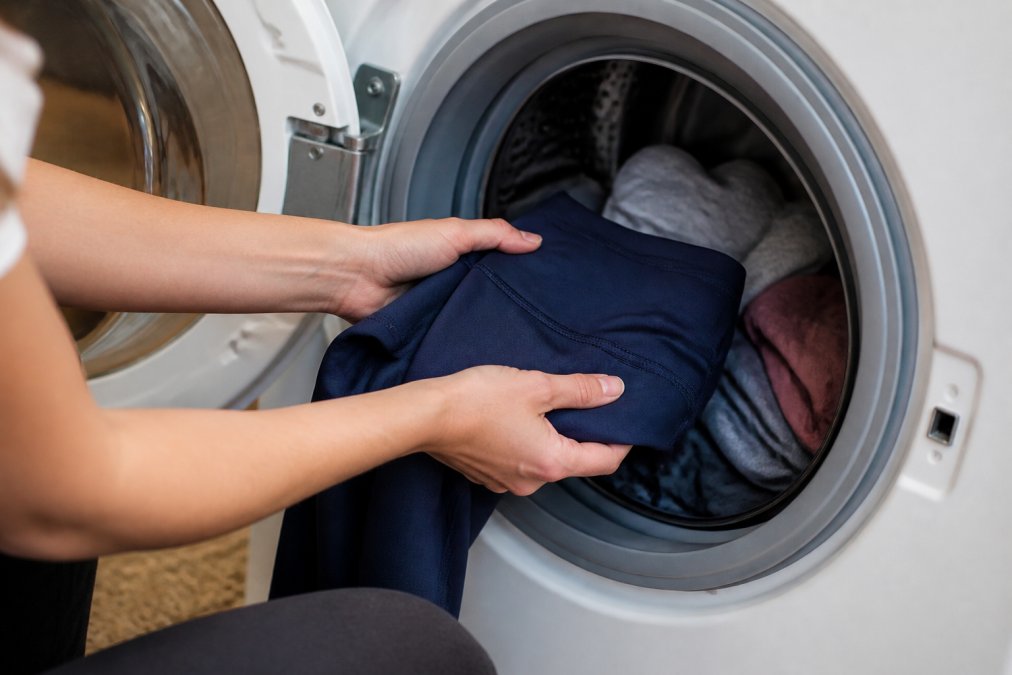
Washing causes more damage to gym wear than actual training does. Wash-cycle fatigue, caused by repeated mechanical stress, is the leading reason cheap gym wear loses shape prematurely.
Wash-cycle fatigue and thermal degradation
Washing machines subject fabric to repeated mechanical stress through agitation, spin cycles, and friction. Low-quality spandex can't handle this stress repeatedly; it fatigues and loses elasticity permanently.
Thermal degradation occurs when synthetic fibres are exposed to heat. Hot water washing accelerates the breakdown of polyester and spandex molecular bonds. Cold water washing slows this process dramatically. Standard laundry detergents are harsh on synthetic fibres, breaking down protective coatings on activewear. Specialist activewear detergents are formulated to clean without damaging spandex and polyester.
Fabric softener is actively harmful to activewear. It coats fibres with a waxy layer that reduces breathability and speeds up spandex degradation. Machine drying is the fastest way to destroy activewear; high heat causes rapid thermal degradation of both polyester and spandex.
Temperature, detergent, and drying practices
Cold water washing (below 20°C) minimises thermal degradation and reduces mechanical stress on fibres. Cold water removes sweat and odour effectively.
Use a specialist activewear detergent or gentle, fragrance-free option. Avoid standard "sport" detergents, which often contain the same harsh chemicals as regular detergent with added marketing.
Turn your leggings inside out before washing to protect the outer surface from friction. Wash leggings separately from heavier garments like towels or jeans. Use a mesh laundry bag to reduce direct contact.
Avoid the spin cycle or use the gentlest setting available. High-speed spinning stretches the fabric and stresses the spandex.
Air dry always. Hang your leggings in a well-ventilated area away from direct sunlight. Never use a tumble dryer. Wash less frequently than you might think; airing out leggings between wears reduces wash frequency and extends lifespan.
Signs of High Quality Activewear
Learning to spot quality activewear before you buy saves money and frustration. High-quality gym wear has specific characteristics that cheap alternatives lack.
Seam integrity and body mapping
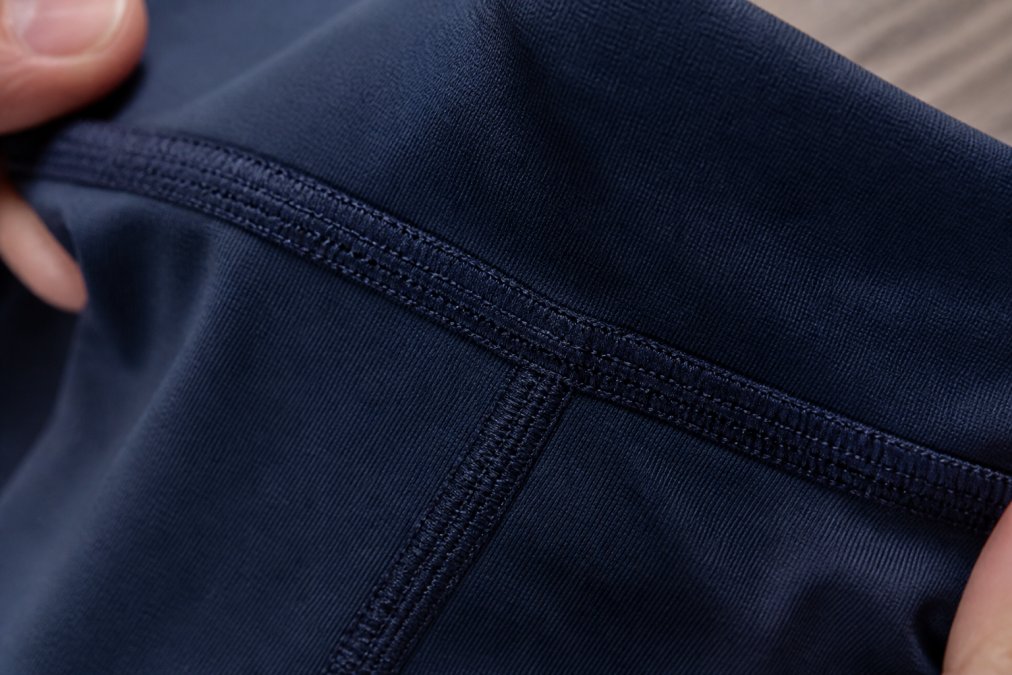
Examine the seams closely. Quality activewear has tight, even stitching with no loose threads or gaps. Seams should be reinforced in high-stress areas like the waistband, crotch, and inner thigh.
Flat-lock seams are a mark of quality. Instead of traditional seams that create a ridge, flat-lock stitching lies flat against the skin, reducing chafing and allowing the seam to stretch with the fabric. Cheap activewear uses basic overlocked seams that create rigid lines and don't flex properly.
Body mapping, the strategic placement of different fabrics in different areas, shows engineering investment. Look at the inside of quality leggings for different fabric weights or fibre blends in the gusset, waistband, and thigh areas. Cheap leggings use identical fabric throughout.
The waistband construction reveals quality. Premium activewear uses wide, structured waistbands that distribute pressure evenly. Cheap leggings often have thin, elastic-only waistbands that roll, twist, or create visible lines.
Fabric recovery and tensile strength indicators
Feel the fabric carefully. High-quality activewear feels smooth and consistent. Stretch the fabric gently; quality activewear stretches easily and snaps back immediately. If the fabric takes several seconds to recover, the spandex is either low-quality or in low concentration.
Quality activewear feels substantial but not heavy. Check transparency under tension by holding the leggings to light and stretching gently. Quality activewear maintains opacity even when stretched; cheap leggings become translucent, indicating low fibre density.
Look for pilling resistance information. Quality activewear won't develop fuzzy balls that make clothes look old and worn. Cheap activewear pills noticeably within weeks.
The Impact of Price on Fabric Quality and Durability
The relationship between price and quality in activewear is direct and measurable. You're paying for better materials, better construction, and better engineering.
Cheap gym wear uses the lowest-grade synthetic fibres available. Manufacturers source polyester and spandex from suppliers offering the absolute lowest prices, resulting in inconsistent molecular structure and uneven stretch and recovery.
Mid-range activewear uses better fibre quality but cuts corners on construction. The spandex percentage might be adequate (12-15 percent), but seam construction is basic, body mapping is minimal, and protective treatments are minimal.
Premium activewear invests in every stage: better fibres, higher spandex percentages (15-20 percent), reinforced seams, strategic body mapping, and protective treatments against heat and chemical degradation. The result is garments that maintain their shape for 6+ months of regular training.
Price also reflects testing and quality control. Expensive activewear brands test garments through repeated wash cycles, stretching tests, and wear simulations. Cheap manufacturers skip this testing entirely.
At REVIVE Activewear and Apparel, we invest in premium fabric quality, strategic construction, and rigorous testing because we know that cheap gym wear loses shape quickly. Our activewear is engineered to maintain its shape through months of intense training and hundreds of wash cycles.
Sustainable Alternatives to Fast-Fashion Gym Wear
The fast-fashion model of cheap gym wear creates environmental waste. Garments that lose shape within weeks end up in landfills, where synthetic fibres take decades to decompose.
Secondhand and vintage activewear from quality brands offers excellent value. Older gear from premium brands often outperforms new cheap activewear because the original construction was superior.
Rental services for activewear are emerging in some markets. Instead of buying cheap gear that degrades quickly, you rent quality activewear as needed, reducing individual waste.
Repair services and alteration specialists can extend the life of damaged activewear. A split seam or stretched waistband doesn't mean the garment is finished.
Investing in fewer, higher-quality pieces is the most sustainable approach. One pair of durable leggings worn 2-3 times weekly for six months creates less waste than buying six cheap pairs that each last 2-3 months.
Some brands now use recycled synthetic fibres specifically engineered for activewear. These perform better than standard recycled polyester and reduce reliance on virgin petroleum-based materials.
Look for brands with transparency about their supply chain and manufacturing practices. Ethical production and environmental responsibility often correlate with better product quality.
Why cheap gym wear loses shape comes down to engineering and materials. Budget activewear uses lower-quality fibres, minimal spandex, basic construction, and no protective treatments. Premium activewear invests in better materials, higher spandex percentages, reinforced construction, and protective treatments that preserve shape through months of use.
Understanding this science helps you make smarter purchasing decisions. You don't need the most expensive option, but avoiding the cheapest alternatives saves money long-term. Look for spandex percentages above 12 percent, reinforced seams, and evidence of body mapping. Wash in cold water, air dry, and avoid fabric softener.
REVIVE Activewear and Apparel specialises in durable, high-performance gym wear engineered to maintain its shape through intense training and regular washing. Our garments use premium fabric blends with 15-20 percent elastane, reinforced seams, and strategic body mapping. Whether you're training for padel tennis, CrossFit, running, or yoga, our activewear is built to last. Subscribe to our email list to stay updated on new collections and exclusive offers for fitness enthusiasts committed to quality gear.
Frequently Asked Questions
Why does cheap gym wear lose shape after a few washes?
Cheap gym wear loses shape because it typically uses lower-grade synthetic fibres with poor elasticity and lower spandex percentages (often 5% or less). These materials cannot recover fully after stretching, and repeated wash cycles cause thermal degradation and fibre breakdown. Lower-quality garment construction also means seams fail faster, allowing fabric to pucker and distort. High-impact training accelerates this process by placing repeated stress on fibres that lack the tensile strength to maintain their original form.
What's the best fabric for gym clothes that holds its shape?
The best fabric for gym clothes combines high-quality polyester blends with 15-20% elastane (spandex). This composition provides excellent fabric recovery, moisture-wicking properties, and durability. Premium activewear uses nylon-elastane blends for even greater tensile strength and shape retention. Look for fabrics with four-way stretch capabilities, which distribute stress evenly across the garment. Quality matters: premium manufacturing uses tighter weaves and superior fibre processing, which prevents pilling and maintains elasticity through hundreds of wear cycles.
How should you wash activewear to prevent it losing shape?
Wash gym leggings and activewear inside out in cold water (30°C or lower) to reduce thermal degradation. Use a gentle cycle and mild detergent—avoid fabric softeners, which coat fibres and reduce elasticity. Skip the tumble dryer entirely; instead, lay flat or hang to air dry. Wash-cycle fatigue is a major cause of shape loss, so wash less frequently when possible and always follow care labels. Proper drying prevents thermal stress that permanently damages synthetic fibres and spandex, preserving fabric recovery for longer.
How can you tell if gym wear is high quality?
High-quality activewear shows strong seam integrity with tight, even stitching and reinforced stress points (shoulders, underarms). Check the fabric composition: premium pieces contain 15-20% elastane and use polyester or nylon blends. Examine the garment for body mapping—strategic seam placement that follows your range of motion and reduces transparency under tension. Feel the fabric's weight and thickness; quality activewear has a denser weave. Test elasticity by stretching the fabric; it should snap back immediately without sagging. Look for anti-pilling finishes and odour management technology as additional quality indicators.
This article was written using GrandRanker