 blog
Best Moisture-Wicking Fabrics for Padel: 2026 Guide
Table of Contents
- Why Moisture-Wicking Fabrics Matter for Padel
- Technical Fabrics vs. Cotton: What's the Difference
- Polyester vs Nylon Activewear: Which Performs Better
- Best Fabric for Sportswear: Blends and Performance Features
- Padel Clothing for Hot Weather: Breathability and Heat Management
- How to Wash Moisture-Wicking Clothes and Maintain Performance
- Choosing the Right Moisture-Wicking Gear for Your Game
- Frequently Asked Questions
Last Updated: October 20, 2026
Why Moisture-Wicking Fabrics Matter for Padel
Moisture management separates a comfortable match from one where you're fighting your own sweat, which is why choosing the best moisture wicking fabrics for padel is essential. The best moisture-wicking fabrics for padel pull perspiration away from your skin and allow it to evaporate quickly, keeping you dry, focused, and performing at your peak. This isn't about luxury, it's about function. When fabric holds moisture against your skin, you lose thermoregulation, your movements feel sluggish, and grip slips. Technical fabrics solve this.
At REVIVE Activewear and Apparel, we've engineered our padel collections around this principle. Moisture-wicking isn't a single technology; it's a combination of fibre choice, weave structure, and fabric construction that determines how effectively your gear handles sweat. The court demands intensity. Your clothing should handle it.
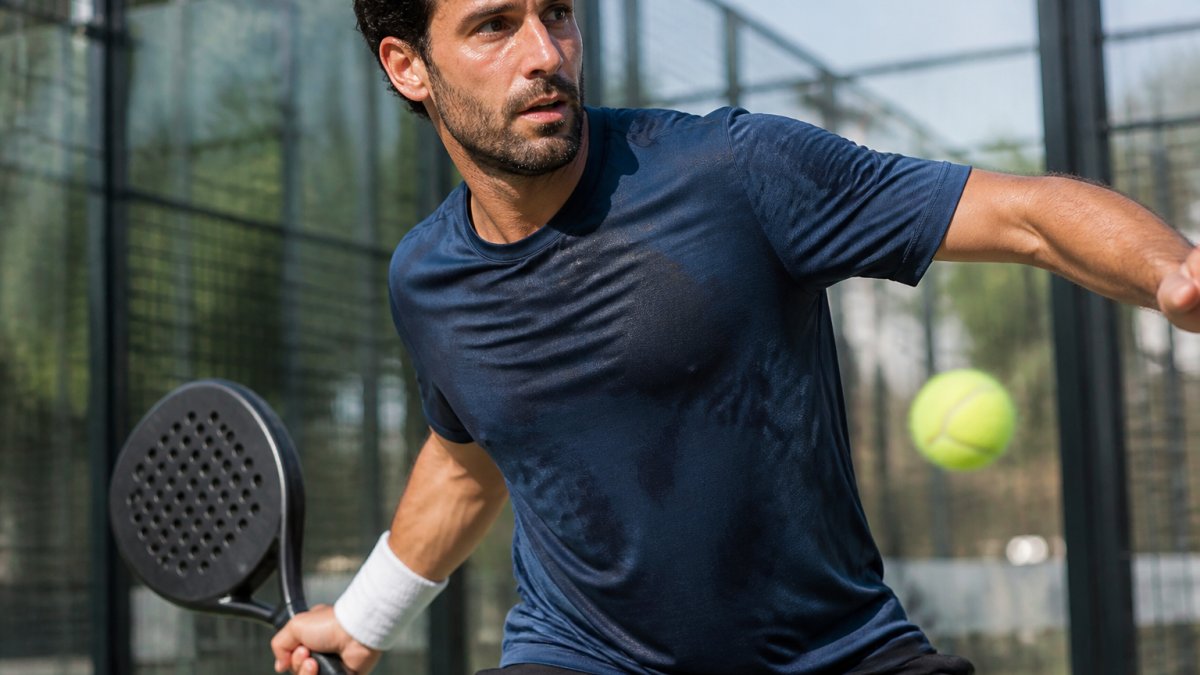
Padel is unique. You're moving in short, explosive bursts on a confined court. The heat builds quickly. Humidity rises. Cotton absorbs moisture and clings to your body, it's the worst choice for this sport. Synthetic fibres and blends, by contrast, repel moisture and dry in minutes. Understanding which fabrics deliver this performance, and why, helps you choose gear that genuinely improves your game.
Technical Fabrics vs. Cotton: What's the Difference
Cotton is breathable. It's comfortable. It's also the wrong choice for padel.
Cotton absorbs water like a sponge. When you sweat, the fibres soak up moisture and hold it against your skin. Drying takes hours. Your body temperature drops, you feel cold and clammy, and the fabric becomes heavy. For a sport where you're generating serious heat in short bursts, this is a liability.
Technical fabrics, polyester, polyamide, and their blends, work on a different principle. These synthetic fibres are hydrophobic, meaning they naturally repel water. Sweat doesn't absorb into the fibre itself; instead, it spreads across the fabric surface and evaporates. The result is rapid moisture evaporation, consistent thermal regulation, and a lighter feel throughout play.
The performance difference is measurable. A quality polyester blend absorbs less moisture than cotton, and the moisture that does contact the fabric moves to the outer surface for rapid evaporation. That's not a minor advantage, it's the difference between playing your best and fighting discomfort.
Cotton does have one advantage: initial comfort against skin. It feels softer straight from the wash. But within minutes of activity, technical fabrics outperform because they maintain consistent dryness. For padel, where matches last 45 minutes to an hour, dryness matters more than initial softness.
Polyester vs Nylon Activewear: Which Performs Better
Both polyester and polyamide (nylon) are hydrophobic synthetics, but they perform differently in high-intensity sport.
Polyester is the workhorse of technical activewear. It's durable, resists pilling, maintains colour through repeated washing, and dries exceptionally fast. Polyester fibres are also naturally antimicrobial, they resist odour-causing bacteria. For padel, where you're playing multiple times per week, this matters. A polyester shirt stays fresher longer between washes. Polyester blends also tend to offer better shape retention; your gear won't stretch out after a season of use.
Polyamide (nylon) offers superior stretch and recovery. Nylon fibres are more elastic, which means better compression, more freedom of movement, and faster snap-back after stretching. If you value a fitted, supportive feel during rapid directional changes, nylon delivers. The trade-off is durability, nylon is more susceptible to pilling and UV degradation.
When selecting the best moisture wicking fabrics for padel, the answer depends on your priorities. Choose polyester if you prioritise durability, odour resistance, and longevity. Choose nylon if you value maximum stretch, compression support, and a form-fitting silhouette. Many premium padel brands blend both: polyester for the core panels (front, back) and nylon for the side panels and sleeves, where stretch matters most.
The moisture-wicking performance is nearly identical between the two. Both pull sweat away from skin and dry quickly. The real difference is in how the fabric feels, moves, and holds up over time.
Best Fabric for Sportswear: Blends and Performance Features
Pure synthetics are good. Blends are often better.
A 88% polyester / 12% spandex blend, for example, combines the durability and odour resistance of polyester with the stretch and recovery of spandex. The spandex percentage (typically 5-15%) adds elasticity without compromising moisture-wicking. When you're lunging for a ball or pivoting quickly, that stretch matters.
Look for these performance features in best fabric for sportswear intended for padel:
- Micro-perforated panels: Small, precisely placed holes in high-heat zones (underarms, back) increase airflow and accelerate evaporation. This targeted ventilation keeps you cooler without sacrificing durability.
- Flat-lock seams: Stitching that lies flat against skin rather than raised prevents chafing during repetitive movement. Standard seams dig in; flat-lock seams vanish.
- Hydrophobic surface treatment: A chemical finish applied to the fabric further repels moisture and speeds drying. This treatment washes out over time, so durability matters.
- Tight weave density: Measured in GSM (grams per square metre), a tighter weave (around 150-180 GSM for padel) balances durability with breathability. Too loose and the fabric feels flimsy; too tight and airflow suffers.
REVIVE Activewear and Apparel integrates these features into padel-specific collections because the sport demands precision. You're not just moving, you're moving explosively in a confined space. Your fabric needs to support that intensity without becoming a liability.
The best fabric for sportswear isn't the one with the longest list of marketing terms. It's the one engineered for your specific sport's demands. For padel, that means fast-drying synthetics with targeted ventilation, reliable stretch, and odour resistance.
Padel Clothing for Hot Weather: Breathability and Heat Management
Padel courts in summer heat create a unique challenge: high ambient temperature, intense sun exposure, and rapid sweat production in a confined space. Your clothing must manage all three.
Padel clothing for hot weather should prioritise breathability and heat dissipation above all else. This means:
- Lightweight fabrics: Look for garments in the 120-150 GSM range. Heavier fabrics trap heat; lighter ones allow air circulation. A lighter weight doesn't compromise durability if the weave is tight.
- Light colours: White, pale grey, and pastel tones reflect solar radiation rather than absorbing it. Black and dark colours absorb heat. In hot conditions, colour choice is a genuine performance factor.
- Minimal coverage where possible: Sleeveless tops or short sleeves expose more skin for evaporative cooling. If you need arm coverage for UV protection, choose fabrics with integrated UV-blocking treatment rather than adding layers.
- Strategic ventilation: Mesh panels on the back and sides increase airflow without sacrificing structure. These panels are common in professional padel wear for good reason.
Humidity complicates everything. In humid conditions, even fast-drying fabrics struggle because the air is already saturated with moisture. Evaporation slows. Your best defence is choosing fabrics with the highest moisture-wicking capacity, polyester and polyamide blends with hydrophobic surface treatments perform noticeably better in high humidity than standard synthetics.
How to Wash Moisture-Wicking Clothes and Maintain Performance
The hydrophobic treatment that makes technical fabrics work gradually washes away. Proper care extends the life of your gear and maintains performance.
Washing best practices:
- Use cold water (30°C or lower). Hot water degrades synthetic fibres and accelerates treatment breakdown.
- Wash inside-out. This reduces pilling and protects the outer surface where moisture-wicking occurs.
- Use minimal detergent, roughly half the recommended amount. Excess detergent leaves residue that clogs pores and reduces breathability. Residue also attracts odour-causing bacteria.
- Skip fabric softener entirely. Softeners coat fibres with a waxy layer that blocks moisture transfer. This defeats the purpose of technical fabric.
- Avoid bleach. It weakens synthetic fibres and breaks down the hydrophobic treatment.
Drying:
- Air-dry when possible. Tumble drying generates heat that can damage synthetic fibres and the moisture-wicking coating.
- If you must use a tumble dryer, use low heat and remove garments while still slightly damp.
- Never use high heat. This is the single biggest mistake that shortens the lifespan of technical activewear.
Frequency: Wash after every wear if you're playing multiple times per week. Technical fabrics resist odour better than cotton, but bacteria still accumulate. Washing after each session keeps your gear fresh and extends its functional life.
How to wash moisture-wicking clothes correctly preserves the investment.
Choosing the Right Moisture-Wicking Gear for Your Game
The best moisture-wicking fabrics for padel aren't one-size-fits-all. Your choice depends on climate, play frequency, and personal preference.
For frequent players (3+ times per week): Prioritise durability and odour resistance. Polyester-dominant blends hold up better under repeated washing and maintain antimicrobial properties longer. Invest in multiple pieces so you can rotate between washes.
For hot climates: Choose lightweight (120-150 GSM), light-coloured fabrics with targeted ventilation panels. Mesh backs and underarm gussets make a measurable difference. Hydrophobic surface treatments are essential in humidity.
For variable conditions: Layering systems work better than single garments. A moisture-wicking base layer (tight-fitting polyester blend) under a looser mid-layer allows air circulation and temperature adjustment. This approach handles spring, autumn, and indoor courts better than a single heavy shirt.
For appearance-conscious players: Nylon blends offer better fit and visual appeal. They compress slightly, support your shape, and maintain a polished look. The trade-off is slightly shorter lifespan, but if you care about how your gear looks, nylon is worth the investment.
REVIVE Activewear and Apparel offers collections designed for each scenario. Whether you're building a complete padel wardrobe or upgrading a single piece, the principle remains the same: match the fabric to your specific needs. The best choice isn't the most expensive or the most technical, it's the one engineered for how and where you actually play.
| Fabric Type | Best For | Moisture-Wicking | Durability | Stretch | Odour Resistance |
|---|---|---|---|---|---|
| 100% Polyester | Durability-focused players | Excellent | Excellent | Moderate | Excellent |
| Polyester-Spandex Blend (88/12) | Most padel players | Excellent | Very Good | Excellent | Excellent |
| Polyamide-Spandex Blend | Compression and fit priority | Excellent | Good | Excellent | Good |
| Polyester-Nylon Blend | Balanced performance | Excellent | Excellent | Very Good | Excellent |
| Cotton Blend (minority) | Casual play only | Poor | Moderate | Moderate | Poor |
Choosing gear that performs under pressure makes padel more enjoyable. The best moisture-wicking fabrics for padel aren't a luxury, they're essential. When you're moving fast on a confined court, your clothing either supports your performance or hinders it. REVIVE Activewear and Apparel designs padel-specific collections with this reality in mind, offering easy ordering for single pieces or bulk team orders, with standard and express delivery options backed by expert support.
Frequently Asked Questions
What is a moisture-wicking shirt and how does it work?
A moisture-wicking shirt pulls sweat away from your skin to the fabric's outer surface, where it evaporates quickly. Synthetic fibres like polyester and polyamide have hydrophobic (water-repelling) properties that prevent absorption. This process keeps you dry, reduces chafing, and maintains thermal regulation during intense padel play. Unlike cotton, which absorbs moisture and stays wet, technical apparel manages sweat evaporation efficiently.
Is polyester or nylon better for padel clothing?
Both excel at moisture-wicking, but they differ slightly. Polyester offers superior durability, colour retention, and cost-effectiveness, making it ideal for frequent padel players. Nylon (polyamide) provides exceptional stretch and comfort, better for high-intensity movement. Many performance fabrics blend both: polyester for durability and nylon for flexibility. Your choice depends on whether you prioritise longevity (polyester) or maximum comfort (nylon blend).
How should I wash moisture-wicking clothes to keep them working?
Wash in cold water (30°C or below) with mild detergent and avoid fabric softeners, which clog the fibres and reduce moisture-wicking ability. Tumble dry on low heat or air dry to preserve elasticity. Wash inside-out to protect the fabric surface. Never bleach or use high temperatures, as these degrade synthetic fibres. Proper care extends the lifespan and maintains performance.
What fabric is best for padel in hot weather?
Look for lightweight polyester or polyamide blends with micro-perforated construction and high ventilation. Fabrics with lower GSM (grams per square metre) feel lighter and breathe better in heat. Hydrophobic synthetic fibres with quick-dry properties prevent sweat accumulation. UV protection is also valuable for outdoor play. Compression fit enhances heat dissipation by keeping fabric close to skin, allowing sweat to evaporate rather than pool.