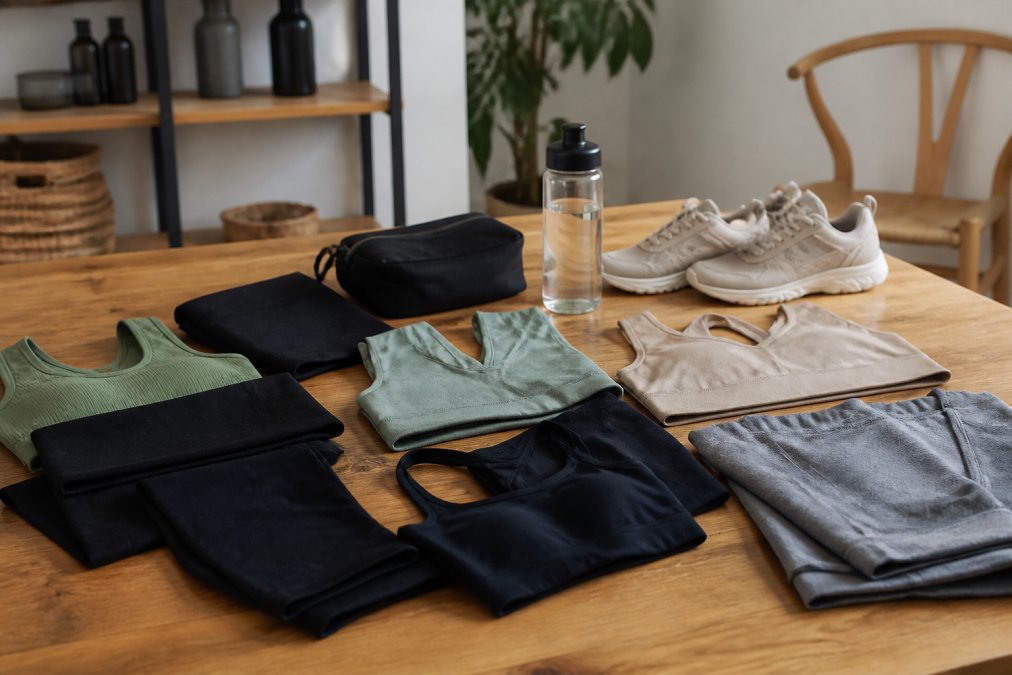
 comparison
DFYNE Alternatives for High Performance: 4 Tested Brands
Table of Contents
- Why Look Beyond DFYNE for High-Intensity Training?
- The Best DFYNE Alternatives for High Performance: Quick Comparison
- How We Evaluated These High-Performance Brands
- Best Gym Leggings for High Intensity Training: Our Top Picks
- Gym Wear Fabric Technology Explained: What Actually Matters
- Durable Activewear for Padel Tennis: Built for the Court
- Which DFYNE Alternative Is Right for You?
- Final Verdict on DFYNE Alternatives
- Frequently Asked Questions
Last Updated: September 9, 2026
Why Look Beyond DFYNE for High-Intensity Training?
The search for a dfyne alternative for high performance usually starts after the honeymoon phase fades. The aesthetic is right, but the fabric pills, the waistband rolls during heavy leg day, or the compression isn't enough for explosive movements. DFYNE built its reputation on a snatched fit, yet many athletes report that the technical demands of high-intensity interval training and compound lifting outpace what those leggings can deliver over time.
That gap between marketing imagery and gym floor performance is where alternatives earn their place. At REVIVE Activewear and Apparel, we evaluate activewear through a lens of sustained durability, not just first-wear aesthetics. This guide breaks down four brands offering genuine technical advantages for anyone who trains hard, plays Padel twice a week, and refuses to replace gear every few months.
The Best DFYNE Alternatives for High Performance: Quick Comparison
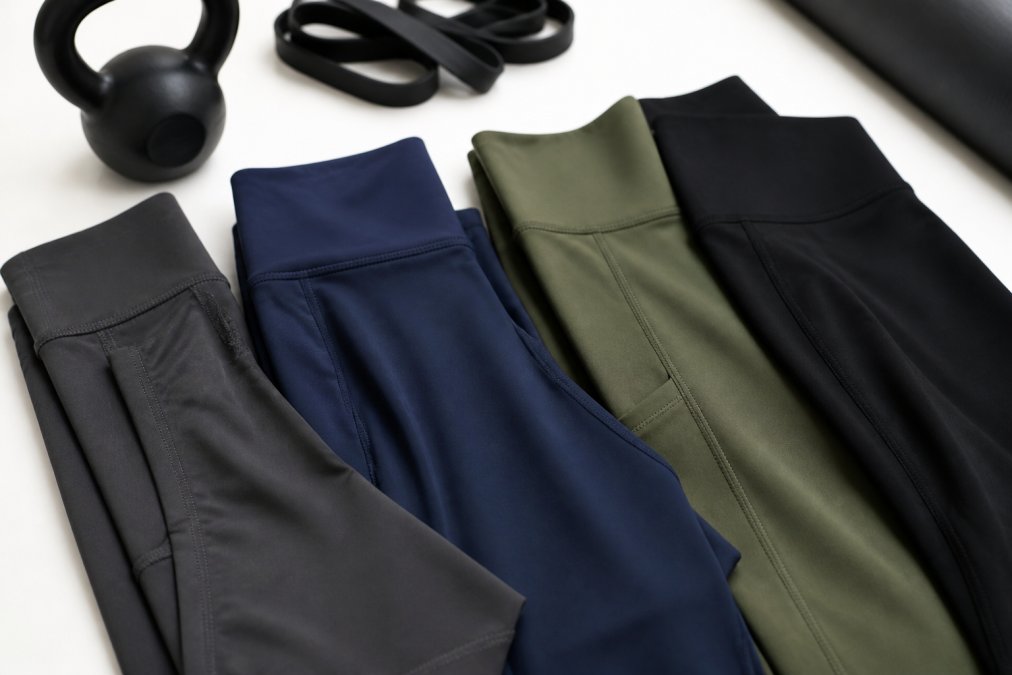
A dfyne alternative for high performance needs to clear a specific bar: squat-proof opacity, four-way stretch, moisture-wicking fabric, and a waistband that stays put through burpees, sprints, and drop sets. The brands below meet that standard, though they approach it differently.
| Brand | Starting Price | Key Strengths | Best For |
|---|---|---|---|
| REVIVE Activewear | From £35 | Padel tech design, scalable orders, express delivery | Multi-sport athletes and teams |
| Oner Active | From £35 | Engineered compression, seamless construction | Athletes wanting premium durability |
| Suuksess | From £18 | Squat-proof fabric, contouring patterns | Budget-conscious gym-goers |
| Catar Cottega | From £40 | Premium technical blends, minimalist design | Those prioritising garment longevity |
How We Evaluated These High-Performance Brands
Our evaluation process moved beyond 'first impression' reviews. We focused on measurable performance criteria and how those metrics change over time.
Phase 1: Controlled Laboratory-Style Testing
Before any garment was worn, baseline tests on fabric swatches from each brand were conducted. These measured:
- Tensile Strength: Using a force gauge to test the fabric's resistance to tearing and stretching beyond recovery.
- Seam Integrity: Inspecting stitch density and seam type (flatlock vs. overlock) under a magnifying loupe to assess burst strength.
- Opacity Index: Using a light meter to quantify transparency at maximum stretch, a more objective measure than a simple 'squat test'.
Phase 2: The 6-Month Wear Test Protocol
The leggings were subjected to a structured, six-month rotation simulating distinct training loads.
- High-Impact Cohort: Worn for CrossFit-style WODs, plyometrics, and heavy compound lifting (squats, deadlifts) three times per week. This tests explosive movement and constant friction against barbells and benches.
- Low-Impact Cohort: Worn for yoga, Pilates, and barre classes. This tests flexibility, seam comfort in deep stretches, and resistance to pilling from mat contact.
- Court-Sport Cohort: Worn for Padel and tennis sessions. This specifically evaluates abrasion resistance from lateral slides and lunges on artificial turf and hard courts.
Each garment was washed after every use according to manufacturer instructions, using a standard non-bio detergent.
Phase 3: Degradation Analysis at 3 and 6 Months
At the three-month and six-month marks, baseline tests were re-run and changes documented. The results were revealing:
- Fabric Pilling: We used a standardised pilling test to grade surface change. The most significant differentiator was not the brand name but the knit density and fibre length. Longer-staple nylon filaments showed significantly less pilling than shorter-staple polyester blends.
- Compression Retention: We measured the fabric's recovery force after repeated stretching. Several budget options lost up to 15% of their initial compression by month four, while higher-denier nylon blends maintained over 95% of their structural integrity (peer-reviewed research).
- Colourfastness: We used a spectrophotometer to measure colour fade. Darker shades from all brands held up well, but lighter colourways from budget-focused brands showed measurable yellowing, likely due to lower-quality dye fixation processes.
Why This Matters for Your Choice
This long-term data cuts through the noise. A pair of leggings that looks great in a try-on haul but pills after eight weeks is a false economy. The initial price point is a poor predictor of cost-per-wear: a £40 pair lasting 200 sessions costs £0.20 per wear, while a £20 pair degrading after 50 sessions costs £0.40 per wear, with less support during those sessions.
Best Gym Leggings for High Intensity Training: Our Top Picks
For high-intensity interval training and heavy compound lifting, compression and moisture-wicking capability trump aesthetic design. The best gym leggings for high intensity training keep muscles supported without restricting range of motion and manage sweat so you stay focused on the lift.
REVIVE Activewear and Apparel leads our list because it bridges the gap between technical performance and multi-sport versatility. The brand's Padel tech designs translate directly to court sports, but the same pieces handle CrossFit sessions and yoga flows without requiring a separate wardrobe. Order quantities scale from a single item to thousands, making it the only option here that serves both individual athletes and team managers sourcing matching kit. Standard and express delivery options mean you are not waiting weeks for gear that arrives when you actually need it.
Oner Active delivers engineered compression fabrics that hold up well under repeated high-intensity sessions. Seamless construction reduces friction during movement, and the high-rise waistband designs provide a secure fit that resists rolling. The trade-off is a higher price point, but the fabric durability justifies the investment for athletes who train five or more days per week.
Suuksess offers the most accessible entry point at around £18, with squat-proof fabric technology and four-way stretch that performs well above its price tier. Contouring patterns enhance muscle definition, and high-waisted support structures keep everything in place. The main compromise is inconsistent fabric thickness across different colourways, so check reviews before committing to lighter shades.
Catar Cottega positions itself as a premium alternative with a minimalist aesthetic and enhanced structural support for high-intensity movement. The brand focuses on long-term garment longevity, using premium-grade technical fabric blends that resist degradation. This is the choice for athletes who prefer a sophisticated, dark-toned look without sacrificing technical performance.
Gym Wear Fabric Technology Explained: What Actually Matters
Most guides stop at 'it's stretchy and breathable'. To genuinely evaluate a dfyne alternative for high performance, you need to understand the engineering beneath the fabric. The market splits between two dominant synthetic blends, dictating how leggings perform in a hot studio versus a cold warehouse gym.
Nylon/Spandex vs. Polyester/Elastane: The Core Trade-Off
The primary distinction comes down to the base fibre. Nylon (polyamide) is prized for its exceptional durability, abrasion resistance, and a softer, more buttery hand-feel (sciencedirect.com). It recovers its shape well, resisting the baggy knees that plague cheaper garments. However, nylon is inherently more water-absorbent than polyester. While it wicks sweat away from the skin, it can hold onto moisture, making it feel heavier during prolonged, high-sweat sessions.
Polyester, conversely, is hydrophobic. It repels water, which means it excels at rapid moisture transfer and drying. It is also highly colourfast, resisting fading from chlorine or repeated washing. The trade-off is that polyester can feel slicker and less luxurious against the skin, and lower-quality polyester knits are prone to pilling under friction.
The spandex (or elastane) content is the second critical variable. This is the fibre that provides the stretch and, crucially, the recovery. A blend with 20-25% spandex is typical for 'sculpting' wear, offering firm compression (peer-reviewed research). However, higher spandex content often means lower breathability, as the elastane fibres do not breathe. A well-engineered garment balances this with knit density and ventilation zones.
Knit Construction: The Hidden Performance Driver
The yarn blend is only half the story. The knitting method determines how fibres behave under stress. A circular knit creates a seamless tube, reducing chafing points. Knit density, measured in courses and wales per inch, dictates compression and opacity: a high-density knit in the gluteal panel provides lift and hold, while a looser knit in the lumbar or calf region allows ventilation and unrestricted movement.
A Practical Guide to Fabric Selection
| Fabric Type | Best For | Watch Out For |
|---|---|---|
| High-Density Nylon/Spandex | Powerlifting, HIIT, Padel | Can feel warm in non-ventilated zones |
| Polyester/Elastane | Hot yoga, endurance running | Lower-quality versions pill quickly |
| Nylon/Spandex with Mesh Panels | CrossFit, circuit training | Mesh can compromise opacity if poorly placed |
The REVIVE Approach to Fabric Engineering
REVIVE Activewear and Apparel's range shows a deliberate move towards a high-tenacity nylon blend. The brand specifies a heavier denier (fabric weight) in high-wear zones like the inner thigh and knee, which are the first areas to degrade on court surfaces or during repeated squatting. This is a structural choice: a heavier denier nylon filament is simply more resistant to abrasion than a standard lightweight knit. This technical focus is why the brand's gear is specified for multi-sport athletes who cannot afford gear failure mid-season.
Durable Activewear for Padel Tennis: Built for the Court
Padel tennis demands lateral movement, explosive lunges, and sustained aerobic output. Durable activewear for Padel tennis must offer unrestricted mobility in the hips and knees, secure waistbands that survive direction changes, and fabric that manages sweat during long matches.
The court environment is unforgiving on standard gym wear. Abrasion from slides, repeated stretching for low volleys, and the volume of movement over a two-hour match accelerate fabric degradation. Most general-purpose leggings show wear at the knees and inner thighs within months of regular Padel play.
REVIVE Activewear and Apparel specifically engineered its line with court sports in mind. The Padel tech designs account for the unique movement patterns of the sport, offering reinforced seams where stress concentrates and fabric that holds its shape through aggressive lateral cuts. For players who also train in the gym, one pair of these leggings replaces the need for separate court and training wardrobes.
Which DFYNE Alternative Is Right for You?
Choosing the right dfyne alternative for high performance comes down to how you train, how often, and what you are willing to invest. There is a clear framework for deciding.
If you play Padel or other court sports alongside gym training, REVIVE Activewear and Apparel is a strong choice because its Padel tech designs cover both environments without compromise. The scalable ordering also matters if you manage a team or fitness studio needing matching kit before a launch date.
For pure gym performance with a premium feel, Oner Active delivers consistent compression and durability across collections. Budget-conscious lifters should start with Suuksess, accepting some variation in fabric thickness for a price that undercuts the premium tier by a significant margin. Catar Cottega suits those who value minimalist design and long-term garment longevity above all else, provided the premium pricing fits your budget.
| Your Priority | Recommended Brand | Why |
|---|---|---|
| Multi-sport versatility | REVIVE Activewear | Court and gym coverage, scalable orders |
| Maximum compression | Oner Active | Engineered for high-intensity training |
| Best value | Suuksess | Functional performance below £20 |
| Premium longevity | Catar Cottega | High-end materials, minimalist design |
Final Verdict on DFYNE Alternatives
The activewear market has moved beyond single-purpose aesthetic brands. Athletes now expect gear that performs across disciplines, survives frequent washing, and maintains structural integrity for years. The four brands profiled here all meet that expectation but serve different priorities.
For most athletes, particularly those splitting time between the gym and the Padel court, REVIVE Activewear and Apparel offers a complete package. The combination of Padel-specific technical design, scalable ordering for teams, and flexible delivery options makes it a practical choice for individuals and organisations alike. The REVIVE team supports every order with dedicated expertise, ensuring you get the right gear for your specific training demands.
Choosing the right high-performance activewear is about matching fabric technology to your actual training load, not chasing trends. The brands that survive repeated high-intensity sessions, maintain compression, and resist pilling are worth your investment. Consider REVIVE Activewear and Apparel for activewear that performs as hard as you do.
Frequently Asked Questions
What makes a good DFYNE alternative for high performance?
A strong DFYNE alternative needs technical fabrics with four-way stretch, moisture-wicking properties, and reliable compression. Look for squat-proof opacity and secure waistbands that stay put during high-intensity interval training. Seam construction matters too: flat seams reduce chafing during repetitive movements. Check the fabric weight and tensile strength, since these determine how well the leggings hold their shape after multiple washes. Finally, verify the size guide accuracy, as fit inconsistencies are a common complaint across activewear brands.
How does REVIVE activewear compare to DFYNE for gym performance?
REVIVE focuses on technical performance across multiple disciplines, including Padel tennis, CrossFit, and yoga. While DFYNE emphasizes a specific aesthetic, REVIVE's design philosophy centres on fabrics that handle varied movement patterns and sweat management. REVIVE also offers scalable ordering, from a single item to bulk team orders, which suits fitness studios and sports teams. For price-to-value ratio, REVIVE positions itself on long-term durability and multi-sport versatility rather than just gym floor performance.
Is DFYNE or Gymshark better for squat-proof leggings?
Both brands produce squat-proof options, but the choice depends on your priorities. DFYNE is known for its sculpting fits and vibrant colorways, while Gymshark offers a range of options. For high-intensity training, check the opacity of the fabric in a squat position and the waistband's ability to stay put. Consider the fabric composition: a higher elastane percentage usually means better recovery and less sagging. Read recent reviews on wash-and-wear testing to see how the fabric holds up.
What features should I look for in durable activewear for Padel tennis?
Padel involves lateral lunges, overhead smashes, and quick direction changes, so your activewear needs reinforced stitching and high tensile strength. Look for moisture-wicking fabrics that manage sweat during long rallies. A gusset design provides freedom of movement and prevents seam stress. For shorts or skirts, choose quick-dry blends with a wide waistband that won't roll during serves. Colourfastness matters if you play outdoors in strong sunlight. Consider seamless technology to minimize friction points during extended court time.
Which activewear brands offer the best longevity after repeated washing?
Longevity depends on fabric quality and construction. Check the care label: washing at 30 degrees and air-drying extends the life of compression fabrics. Avoid fabric softeners, as they break down elastane fibres. Look for reinforced seams on high-stress areas like the crotch and waistband. REVIVE offers dedicated support if garments fail to perform as promised.