 comparison
Best Odour-Resistant Fabrics for Endurance Running
Table of Contents
- What Makes a Fabric Odour-Resistant for Running
- Merino Wool vs Polyester Running Fabrics
- Best Fabric for Running in Hot Weather
- Nylon and Synthetic-Fibre Blends for Endurance
- Bamboo and Antimicrobial Fibre Options
- How to Wash Technical Running Clothes to Preserve Odour Control
- Odour-Resistant Fabrics: Performance After Repeated Wear
- Choosing the Right Fabric for Your Running Style
- Frequently Asked Questions
Last Updated: October 14, 2026
What Makes a Fabric Odour-Resistant for Running
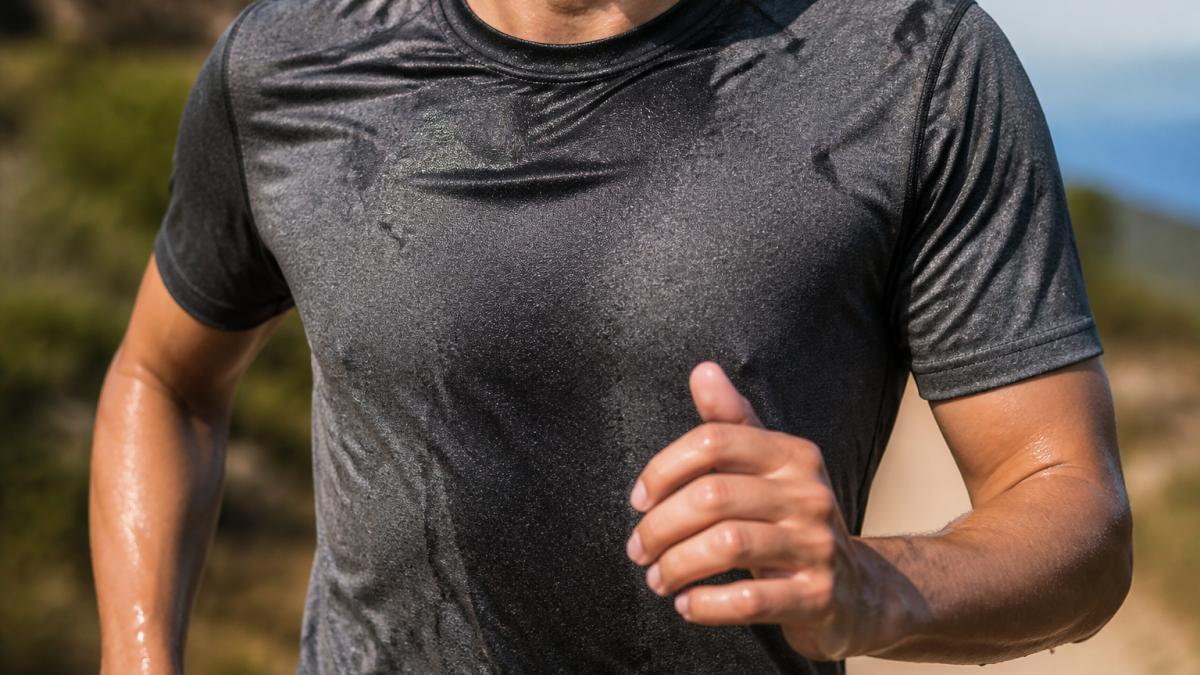
Odour resistance in odour-resistant fabrics running comes down to how a fabric handles sweat, bacteria, and moisture. Bacteria feed on sweat trapped in clothing fibres, producing the odour compounds that make technical running clothes smell after a few wears. The best odour resistant fabrics for endurance running either prevent bacteria growth naturally, dry quickly to limit bacterial breeding grounds, or resist moisture absorption.
This guide from REVIVE Activewear and Apparel breaks down the performance differences between merino wool, polyester, nylon, and bamboo, so you can choose what suits your running style, climate, and washing routine.
Three mechanisms make a fabric resist odour. First, natural antimicrobial properties in the fibre itself (like merino wool) inhibit bacterial growth. Second, antimicrobial coatings (like HeiQ Mint on polyester) create a chemical barrier against odour-causing bacteria. Third, quick drying prevents moisture from pooling, starving bacteria of the damp environment they need.
The choice matters more than most runners realise: a fabric that wicks brilliantly but retains odour after washing will frustrate you far more than one that dries slowly but resists smell naturally.
Merino Wool vs Polyester Running Fabrics
Merino wool and polyester represent two completely different approaches to odour resistance.
How Merino Wool Resists Odour Naturally
Merino wool resists odour through antimicrobial properties built into the fibre itself. The lanolin in wool creates a hostile environment for odour-causing bacteria, so merino doesn't rely on chemical treatments that wash out, its odour resistance is permanent.
Merino also manages moisture differently: it absorbs up to 30% of its weight in moisture without feeling wet against your skin, preventing the damp conditions bacteria need. A merino running shirt can be worn multiple times before washing without developing strong odours, even during intense endurance efforts.
The trade-off is cost and durability: merino costs more than polyester, its fibres are more delicate, and it dries slower than most synthetics, which matters if you wash frequently or train in humid climates.
For endurance runners who prioritise natural odour resistance and can invest in higher-quality gear, merino is the strongest performer, ideal for long, slow distance runs where freshness matters more than speed.
Polyester Performance and Odour Retention
Polyester is engineered for moisture-wicking and quick drying, pulling sweat away from your skin far faster than merino. However, the fibre has no natural antimicrobial properties, so bacteria thrive if moisture lingers.
Many polyester running shirts address this with chemical treatments like HeiQ Mint, which inhibit bacterial growth. The problem is durability: these treatments degrade with each wash, performing brilliantly for the first 5-10 wears but weakening noticeably by wear 15-20.
Polyester excels in hot, humid climates where quick drying is essential: rapid evaporation prevents the damp environment where odour develops. The downside: untreated polyester, or polyester with degraded treatments, can smell worse than merino after the same number of wears.
For high-intensity training where sweat volume is extreme and you wash after every session, treated polyester performs well. For runners who space out washes or train in cool climates, odour retention becomes a real problem.
| Fabric | Odour Resistance Mechanism | Durability After Washing | Best Climate | Drying Speed |
|---|---|---|---|---|
| Merino Wool | Natural antimicrobial lanolin | Permanent | Cool to moderate | Slow |
| Polyester (treated) | Chemical odour-control coating | Degrades by wash 15-20 | Hot and humid | Very fast |
| Polyester (untreated) | None | N/A | Not ideal for odour control | Very fast |
Best Fabric for Running in Hot Weather
Hot-weather running demands fabrics that dry quickly and keep moisture off your skin. Quick drying matters more than natural odour resistance here, because the goal is preventing the damp environment where bacteria thrive.
Polyester dominates hot-weather running for this reason: a polyester shirt air-dries in 2-3 hours versus 6-8 for merino wool, and that speed advantage prevents odour buildup between washes.
Nylon blends also perform well in heat, wicking efficiently and drying nearly as fast as polyester, and some runners find nylon more comfortable against the skin.
Merino is the wrong choice for hot-weather endurance running despite its natural odour resistance: it retains heat, dries slowly, and feels heavy when saturated, its cool-climate advantage becomes a summer liability.
For hot-weather runners the strategy shifts: choose a quick-drying synthetic (polyester or nylon), wash after every session, and replace odour-control treatments annually, this beats slow-drying merino that never fully dries in humid conditions.
Nylon and Synthetic-Fibre Blends for Endurance
Nylon occupies the middle ground between merino and polyester: it wicks effectively, dries faster than wool, and retains less odour than untreated polyester, yet many endurance runners overlook it.
Nylon fibres have a smoother surface than polyester, which some runners find more comfortable against sensitive skin, and nylon feels less clingy when wet. Over hours of endurance wear, that tactile difference adds up.
Odour retention in nylon is lower than polyester but higher than merino. Nylon has no natural antimicrobial properties and relies on quick drying, but its fibre structure resists odour slightly better than polyester's, so a nylon shirt often smells fresher after the same number of wears.
Nylon-polyester blends are common in technical running gear, combining nylon's comfort with polyester's durability and moisture-wicking. A 50/50 blend often beats pure polyester on odour resistance while keeping the quick-drying advantage.
For moderate-distance runs in variable climates, nylon or nylon-polyester blends offer a practical compromise: not as odour-resistant as merino, but faster-drying, cheaper, more odour-resistant than pure polyester, and better against the skin for many runners.
Bamboo and Antimicrobial Fibre Options
Bamboo fabric has gained attention as a sustainable, naturally antimicrobial option. Bamboo viscose contains bamboo charcoal, which has some odour-absorbing properties, but its antimicrobial performance is weaker than merino wool.
Bamboo wicks reasonably well and dries faster than merino but slower than polyester. Its real advantage is softness and breathability, many runners find it more comfortable against sensitive skin than synthetics.
Bamboo's odour-control performance is inconsistent: pure bamboo has minimal natural odour resistance, and blends or coatings still don't match merino. Bamboo charcoal reduces odours only modestly compared to chemical treatments or merino's lanolin.
For endurance runners, bamboo is a secondary option if you prioritise comfort and sustainability over peak odour resistance. It works best in cool climates with regular washing; in hot, humid conditions its slower drying becomes a disadvantage.
Silver-infused and zinc-fibre blends are another antimicrobial approach: synthetic fabrics embedded with metal ions that inhibit bacterial growth. They perform like treated polyester, excellent initially, degrading with washing.
How to Wash Technical Running Clothes to Preserve Odour Control
Washing technique directly affects how long odour-control treatments last. Most runners don't realise their washing habits are degrading fabric performance faster than necessary.
Hot water damages antimicrobial treatments on synthetics. Wash technical running clothes in cool or cold water (under 30°C) to preserve odour-control coatings, heat breaks down treatments like HeiQ Mint within a few washes.
Fabric softener and heavy detergents coat fibres and interfere with odour control. Use a mild, fragrance-free detergent for technical fabrics, and avoid softener entirely, it clogs the pores that allow wicking and can trap odours.
Merino requires gentler handling: wash in cool water with a wool-specific detergent and avoid machine agitation where possible, hand washing or a delicate cycle extends fibre lifespan.
Drying method matters for all technical fabrics. Air dry whenever possible, machine drying degrades synthetic treatments and can shrink merino.
Washing after every run preserves odour-control treatments longer than spacing out washes, wash weekly instead and the treatment works harder and degrades faster.
Odour-Resistant Fabrics: Performance After Repeated Wear
The real test of odour-resistant fabrics running isn't the first wear, it's how the fabric performs after 10, 20, or 30 wears and washes, most guides compare initial performance rather than durability.
Merino's odour resistance remains consistent across repeated wears and washes. A merino shirt worn 30 times smells fresher than a polyester shirt worn 30 times at the same wash frequency, because the lanolin doesn't degrade.
Treated polyester shows a clear performance cliff: excellent for wears 1-15, weaker by wear 20, significantly compromised by wear 25-30.
Nylon and nylon-polyester blends degrade more slowly than pure polyester: the fibre's natural odour resistance provides a baseline that persists after treatments fade, by wear 25-30, a nylon shirt still outperforms untreated polyester.
Untreated bamboo maintains consistent but modest odour control across repeated wears. Treated bamboo degrades like polyester, strong initially, weaker after 15-20 wears.
This durability difference is crucial for endurance runners who wear the same few shirts repeatedly: merino means consistent performance across the season, while treated polyester means refreshing the treatment annually for the same odour control.
Choosing the Right Fabric for Your Running Style
Your running style, climate, and washing habits should guide your fabric choice, there's no single best odour resistant fabric for endurance running.
Choose merino wool if you run in cool to moderate climates, do long, slow distance runs, and can invest in higher-quality gear.
Choose polyester with odour-control treatment if you run in hot, humid climates, wash after every session, and prioritise quick drying.
Choose bamboo only if comfort and sustainability are top priorities and you accept lower odour resistance.
At REVIVE Activewear and Apparel, we design running apparel with these trade-offs in mind.
The fabric you choose shapes your entire running experience.
According to running and performance fabric research from specialist athletic retailers, merino wool's natural antimicrobial properties remain stable across repeated wear cycles, whereas synthetic odour-control treatments degrade measurably after 15-20 washes.
For endurance runners seeking reliable odour control without constant maintenance, merino remains the strongest choice.
The key insight most runners miss: initial odour performance matters far less than how the fabric performs after repeated wears and washes.
Technical fabric care guidelines from activewear manufacturers emphasise that washing technique directly affects antimicrobial treatment longevity.
At REVIVE Activewear and Apparel, we recommend merino wool for endurance runners who value consistency and sustainability.
Frequently Asked Questions
Is merino wool or polyester better for long-distance running?
Merino wool naturally resists odour and regulates temperature, making it excellent for endurance runs lasting several hours. Polyester excels at moisture-wicking and dries faster, which suits runners who prioritise quick evaporation over natural odour resistance. For very long runs where you'll wear the same shirt for extended periods, merino wool typically outperforms polyester in odour control. Polyester suits runners who wash gear frequently and want maximum breathability in hot conditions.
Do synthetic running clothes hold on to body odour?
Yes, synthetic fabrics like polyester can retain odour more readily than natural alternatives because bacteria colonise the fibres more easily. However, untreated polyester still wicks moisture effectively. Many brands now treat synthetic fabrics with antimicrobial technology or silver-infused fibres to reduce odour retention. Nylon typically holds less odour than polyester, making it a middle-ground option for runners concerned about smell but wanting synthetic performance.
How should you wash odour-resistant running clothes?
Wash technical running clothes inside-out in cool water (30°C or below) with a sports-specific detergent that removes bacteria without damaging fabric treatments. Avoid fabric softener, which can coat fibres and reduce breathability and odour resistance. Air-dry whenever possible; heat from tumble dryers can degrade antimicrobial treatments and elastic fibres. Wash after every wear for endurance running gear to prevent odour buildup, especially for merino wool and treated synthetics.
What fabric makes you sweat less?
No fabric prevents sweating, sweating is your body's cooling mechanism. However, moisture-wicking fabrics like polyester, nylon, and merino wool pull sweat away from skin to the fabric surface, where it evaporates faster. This keeps you cooler and more comfortable, even though you're still sweating. Quick-drying synthetics feel less heavy and clingy, while merino wool provides temperature regulation to reduce excessive sweating in the first place. The best choice depends on climate and personal preference.
Does anti-odour fabric treatment wear off?
Yes, antimicrobial treatments and odour-control finishes gradually diminish with repeated washing. Treatments like HeiQ Mint or silver-infused fibres are most effective in the first 10-20 washes. To extend odour-control performance, wash in cool water, avoid high heat, and use minimal detergent. Merino wool's natural odour resistance doesn't fade the same way, making it a longer-lasting option for endurance runners who want consistent odour control over many months of use.