 comparison
Best Moisture-Wicking Fabrics for Intense Workouts
Table of Contents
- What Makes Moisture-Wicking Fabrics Essential for High-Intensity Training
- Polyester vs Nylon Activewear: Which Synthetic Performs Better
- Moisture-Wicking vs Cotton: Why Cotton Fails During Intense Exercise
- Natural Fibre Options: Merino Wool, Bamboo and Linen for Performance
- Quick-Dry Workout Clothes: Drying Speed and Fabric Blends
- Best Fabric for Workout Clothes by Sport and Intensity Level
- How to Choose and Care for Moisture-Wicking Activewear
- Frequently Asked Questions
Last Updated: October 8, 2026
What Makes Moisture-Wicking Fabrics Essential for High-Intensity Training
When you're pushing hard during intense exercise, sweat management becomes the difference between comfort and distraction. Moisture-wicking fabrics are engineered to pull perspiration away from your skin and move it to the outer surface of the fabric where it can evaporate quickly. This process keeps you dry, prevents chafing, and maintains your body temperature during demanding workouts.
At REVIVE Activewear and Apparel, we've designed our performance gear around this principle because we know that when moisture sits against your skin, it creates discomfort, bacterial growth, and that heavy, waterlogged feeling that kills your momentum.
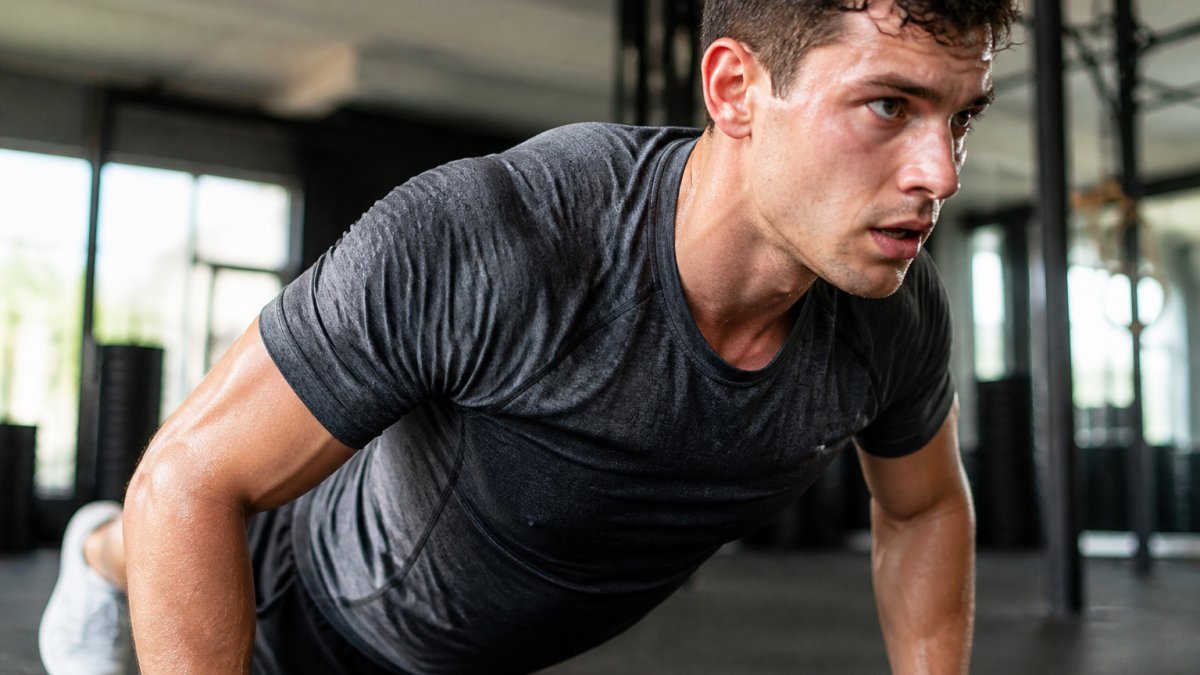
The science is straightforward: synthetic fibres like polyester and nylon don't absorb water the way cotton does. Instead, they're designed to be hydrophobic, they repel moisture and channel it away from your body. Natural alternatives like merino wool use different mechanisms: the fibres have a structure that moves moisture along the surface without retaining it. Both approaches solve the same problem, but they work differently depending on your activity, climate, and skin sensitivity.
What separates adequate moisture-wicking from exceptional performance is the fabric's construction. A single-layer polyester tee will wick moisture, but a multi-layer blend with strategic ventilation panels will do it faster and more efficiently. This is where fabric engineering matters as much as fibre choice.
Polyester vs Nylon Activewear: Which Synthetic Performs Better
Both polyester and nylon are synthetic fibres engineered for athletic performance, but they excel in different situations. Polyester vs nylon activewear comes down to drying speed, durability, and how the fabric feels against your skin during extended movement.
Polyester is the gold standard for intense training because it dries faster than nearly any alternative. The fibres are inherently hydrophobic and have a smooth surface that sheds moisture quickly. In practice, this means a polyester top will feel dry to the touch minutes after you stop sweating, making it ideal for back-to-back workouts or sessions where you transition between activities. Polyester also resists odour better than many fabrics, sweat dries quickly, so bacteria have less time to colonise the material.
Nylon offers slightly better stretch and recovery than polyester, which matters if you need four-way stretch for movements that demand full-range motion. Nylon is also marginally softer against the skin, which some athletes prefer for longer sessions. However, nylon takes slightly longer to dry than polyester and can hold moisture longer if the fabric isn't constructed with adequate ventilation. For high-intensity training where sweat volume is high and drying speed is critical, polyester typically outperforms nylon.
The practical difference: choose polyester if you're doing intense cardio, HIIT, or running. Choose nylon if you prioritise stretch and comfort over maximum drying speed, it's excellent for yoga, Pilates, or strength training where movement range matters more than rapid moisture evaporation.
Moisture-Wicking vs Cotton: Why Cotton Fails During Intense Exercise
Cotton is breathable and comfortable for everyday wear, but it's catastrophically bad for intense workouts. Moisture-wicking vs cotton isn't really a comparison, it's a warning about what not to wear when you're training hard.
Cotton absorbs moisture instead of wicking it. When you sweat in a cotton shirt, the fabric soaks up that sweat and holds it against your skin. This creates several problems: the shirt becomes heavy and clingy, your body temperature regulation fails because wet fabric doesn't insulate or cool effectively, chafing increases as the damp material rubs against your skin, and bacterial growth accelerates because moisture-saturated fabric creates an ideal environment for microbes.
A cotton t-shirt can hold up to 27% of its own weight in water. A polyester shirt holds less than 1%. That difference translates directly to comfort, performance, and how quickly you dry after your workout. If you've ever worn cotton to the gym and felt that heavy, soggy feeling by halfway through your session, you've experienced cotton's fundamental failure as a performance fabric.
Natural fibres aren't inherently bad, merino wool, for example, wicks moisture effectively, but standard cotton simply doesn't have the structural properties needed for sweat management during intense exercise. For high-intensity training, cotton should never be your first choice.
Natural Fibre Options: Merino Wool, Bamboo and Linen for Performance
Not everyone wants synthetic fabrics, and natural fibres do offer legitimate advantages for specific situations. Moisture-wicking fabrics aren't limited to polyester and nylon; merino wool, bamboo, and linen each bring different strengths to athletic wear.
Merino wool is genuinely exceptional for moisture management. The fibres have a structure that moves moisture along the surface without absorbing it, and merino has natural antimicrobial properties that resist odour even when damp. This makes it outstanding for endurance activities, trail running, and workouts in cool conditions. The downside: merino dries slower than polyester, making it less ideal for high-intensity workouts where rapid evaporation matters. Merino also costs more than synthetic alternatives.
Bamboo fabric (typically bamboo viscose) is softer than polyester and offers decent moisture-wicking properties. It's breathable and has natural temperature-regulating qualities. However, bamboo takes longer to dry than polyester, and the manufacturing process for bamboo viscose involves chemical processing that raises sustainability concerns. For moderate-intensity workouts or warm-weather training where drying speed is less critical, bamboo is a solid natural alternative.
Linen is breathable but absorbs moisture rather than wicks it, making it unsuitable for intense workouts. It's better suited to casual wear or low-intensity activities where comfort matters more than sweat management.
For most high-intensity training, synthetic fabrics outperform natural alternatives on speed and efficiency. But if you prefer natural fibres and prioritise comfort over maximum performance, merino wool is your best option, just understand that it won't dry as fast as polyester.
Quick-Dry Workout Clothes: Drying Speed and Fabric Blends
Drying speed isn't just about comfort, it directly affects how your body regulates temperature and how quickly bacteria can multiply in the fabric. Quick-dry workout clothes are engineered with specific fibre blends and construction methods to maximise evaporation.
Pure polyester dries fastest, but blended fabrics often outperform pure synthetics because the blend optimises both moisture transport and breathability. A common high-performance blend combines polyester with a small percentage of spandex (typically 5-15%) to add stretch without sacrificing drying speed. Spandex is hydrophobic, so it doesn't slow evaporation, it just makes the fabric more flexible.
Some premium blends add nylon to polyester for improved durability and stretch, or incorporate merino wool into synthetic bases for odour resistance. The key is that every fibre in the blend must be hydrophobic; adding even a small amount of cotton or other moisture-absorbing fibres will slow drying significantly.
Fabric construction matters as much as fibre choice. Knit density, weave pattern, and ventilation panel placement all affect how quickly moisture moves through the fabric. Loosely woven fabrics with strategic mesh panels dry faster than dense, single-layer constructions. This is why a well-designed polyester blend can outperform a poorly constructed pure-polyester garment.
When shopping for quick-dry workout clothes, check the fabric composition first. If it's 100% polyester or a polyester-spandex blend, drying speed will be excellent. If it contains cotton, linen, or other absorptive fibres, drying will be noticeably slower regardless of marketing claims.
| Fabric Type | Drying Speed | Best For | Key Advantage |
|---|---|---|---|
| 100% Polyester | Fastest (30-45 min) | High-intensity cardio, HIIT | Maximum moisture evaporation |
| Polyester-Spandex Blend | Fast (40-60 min) | Gym workouts, running | Drying speed plus stretch |
| Merino Wool | Moderate (60-90 min) | Trail running, cool conditions | Natural odour resistance |
| Polyester-Nylon Blend | Fast (35-55 min) | Strength training, yoga | Durability and stretch |
| Cotton Blend | Slow (120+ min) | Casual wear only | Avoid for intense workouts |
Best Fabric for Workout Clothes by Sport and Intensity Level
Different sports demand different fabric priorities. What works perfectly for running might feel wrong for hot yoga, and what's ideal for HIIT might be overkill for casual gym sessions.
For high-intensity cardio and HIIT, choose 100% polyester or polyester-spandex blends. You need maximum drying speed because sweat volume is high and you need your body temperature to stay regulated. Ventilation is critical, look for mesh panels under the arms and along the sides.
For running, polyester remains your best choice, but the specific construction matters. Trail running demands more durability and stretch than road running, so a polyester-nylon blend with four-way stretch might be better than pure polyester. Road running can work with lighter, single-layer polyester constructions that prioritise minimal weight.
For strength training and gym work, polyester-spandex or polyester-nylon blends are ideal. You need stretch for movement range, but drying speed is less critical because intensity is often lower than cardio. A slightly heavier, more durable blend will handle the friction of gym equipment better than lightweight polyester.
For hot yoga and warm-weather training, merino wool or bamboo can work because intensity is moderate and you're less concerned about rapid drying. The natural temperature-regulating properties of merino are genuinely useful in hot conditions. If you prefer synthetics, a lightweight polyester blend with excellent breathability will perform well.
For outdoor activities in cool or cold conditions, merino wool is genuinely superior. It wicks moisture, regulates temperature across a wide range, and resists odour, all critical when you're layering and can't wash gear immediately after activity.
How to Choose and Care for Moisture-Wicking Activewear
Choosing the right moisture-wicking fabrics starts with matching the fabric to your primary activity and climate, but it also requires understanding how to maintain performance through washing and storage.
When selecting gear, check the fabric composition first. If the label says polyester or nylon, you're buying a moisture-wicking fabric. If it contains significant cotton (more than 10-15%), it's not optimised for sweat management.
Consider the construction details: ventilation panels, seam placement, and fit all affect how well the fabric functions. A tight fit can restrict airflow and reduce ventilation efficiency. A loose fit might allow moisture to pool rather than evaporate.
Care matters enormously for maintaining performance. Wash moisture-wicking gear in cold water with mild detergent, hot water can damage synthetic fibres and reduce their hydrophobic properties. Avoid fabric softener, which coats the fibres and reduces moisture transport.
Chlorine, salt water, and sweat can degrade fabric over time. Rinse gear in fresh water immediately after swimming or training in salt water.
When ordering from REVIVE Activewear and Apparel, we provide detailed care instructions with every piece because how you maintain your gear directly affects how long it performs.
Choosing the right fabric for intense workouts isn't complicated once you understand what moisture-wicking actually means.
At REVIVE Activewear and Apparel, we've built our entire range around these principles. Whether you need a single high-performance top or custom gear for your entire fitness studio, we make ordering simple, deliver quickly, and stand behind the quality of every piece.
Frequently Asked Questions
What is the best fabric for intense workouts?
Polyester and nylon are the gold-standard synthetic choices for intense workouts because they wick moisture away from your skin and dry quickly. Merino wool offers a natural alternative with excellent odour resistance, making it ideal for prolonged or repeated-wear scenarios. The best choice depends on your sport: polyester excels in HIIT and gym work, whilst nylon suits endurance activities like running and cycling. Blends that combine synthetics with spandex provide both moisture management and the stretch needed for dynamic movement.
Is polyester or nylon better for moisture-wicking activewear?
Both polyester and nylon wick moisture effectively, but they serve different needs. Polyester dries faster and works well for high-intensity, shorter workouts where speed matters. Nylon offers superior durability and stretch, making it better for prolonged activities and garments that need to withstand repeated stress. Many high-performance pieces blend both fabrics to combine polyester's quick-dry advantage with nylon's strength and flexibility.
Is moisture-wicking fabric better than cotton for exercise?
Yes, significantly. Cotton absorbs sweat but holds moisture against your skin, leaving you feeling cold and clammy during and after exercise. Moisture-wicking fabrics transport sweat away from your body to the fabric's surface, where it evaporates faster. This keeps you dry, regulates temperature, and reduces chafing. Cotton also takes much longer to dry and can develop odour, making it unsuitable for intense or repeated workouts.
What fabric keeps you coolest during a workout?
Lightweight polyester and nylon blends with high breathability keep you coolest because they move sweat away from skin efficiently and allow air circulation. Four-way stretch fabrics improve ventilation by conforming to movement without bunching. Merino wool naturally regulates temperature and manages moisture without feeling heavy. For hot conditions, look for garments with mesh panels and minimal seams. Fabric weight and weave density matter as much as fibre type, lighter constructions allow better airflow.