 How-to
How to Prevent Thigh Chafing in Padel
Last Updated: November 20, 2026
Quick Summary
Prevent thigh chafing in padel by wearing fitted shorts that fully cover the inner thigh, made from moisture-wicking fabric with flat seams, and applying anti-chafing balm to clean, dry skin before you dress. Reapply balm at the change of ends during long or hot matches, and pat the inner thighs dry rather than letting sweat pool.
- Padel causes chafing through skin-on-skin friction, trapped sweat and explosive side-to-side movements.
- Choose shorts that provide full inner thigh coverage to prevent direct skin contact during lunges.
- Test new shorts in a practice session with lunges, split steps and a squat before a league match.
- Apply balm in a thin, even layer to clean, dry skin and let it settle for a minute before dressing.
- Never apply balm over broken or raw skin, as it stings and can trap bacteria.
Table of Contents
- Why Padel Causes Thigh Chafing
- The Best Shorts to Prevent Thigh Chafing
- Choosing Padel Clothing for Hot Weather
- How to Use Anti-Chafing Balm for Sport
- A Step-by-Step Match-Day Chafing Routine
- How to Soothe Chafed Thighs After Play
- When It's Not Just Chafing: Irritation vs Infection
- Build Your Padel Kit with REVIVE Activewear
- Frequently Asked Questions
Why Padel Causes Thigh Chafing
Thigh chafing in padel occurs when skin-on-skin friction, trapped moisture, and the sport’s specific movement patterns intersect. According to research on skin friction in sports, the combination of repetitive motion and increased skin hydration significantly lowers the coefficient of friction, leading to epidermal damage. Most players experience the burning sensation before they identify the underlying mechanical cause.
Friction, Moisture and the Movements That Make It Worse
Thigh chafing is skin damage caused by repeated rubbing, exacerbated when moisture softens the skin barrier. Padel places high demand on the inner thighs through wide lunges, rapid changes of direction, and the rotational forces required for the bandeja. As sweat accumulates, the skin loses its natural protective barrier, leading to increased drag.
The Best Shorts to Prevent Thigh Chafing
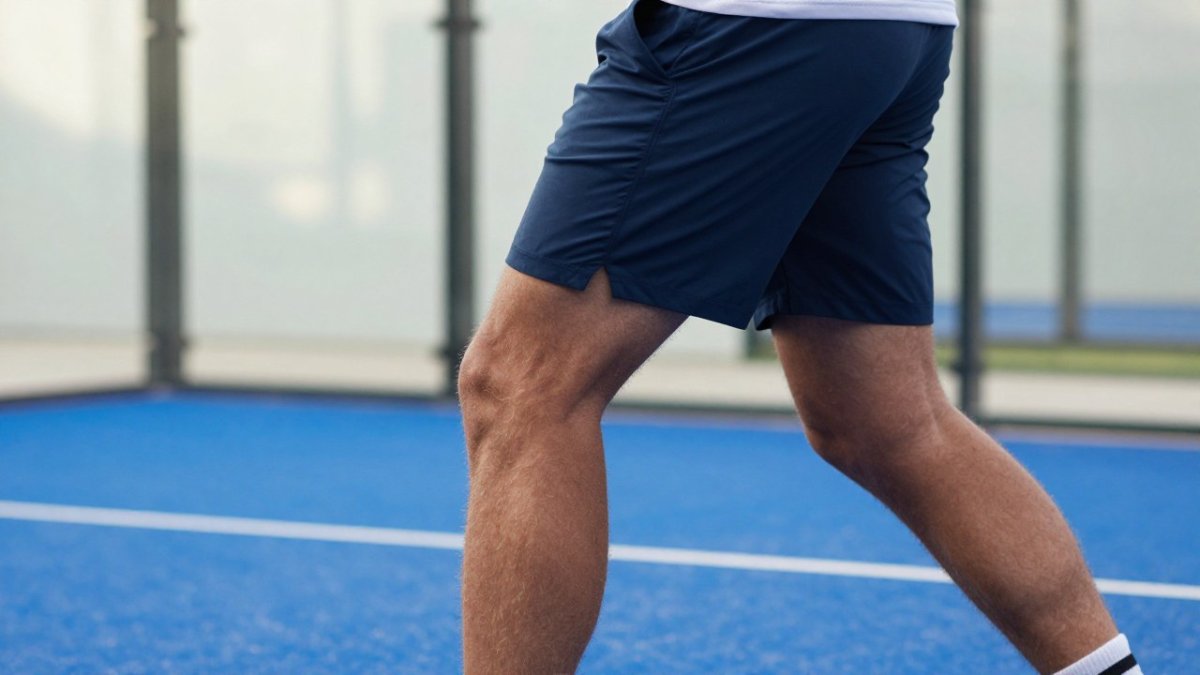
Fitted shorts that cover the inner thigh completely, featuring flat seams and moisture-wicking synthetic fabrics, are the most effective way to prevent chafing.
Compression Shorts, Liners and Longer Shorts Compared
| Option | Coverage | Best For | Watch Out For |
|---|---|---|---|
| Compression shorts | Full inner thigh | High-sweat, long matches | Excessively tight fit |
| Shorts with a liner | Full inner thigh | Simplified layering | Liners riding up if loose |
| Longer loose shorts | Partial to full | Casual games, cooler days | Fabric bunching |
| Standard short shorts | Minimal | Not recommended | Direct skin-on-skin contact |
Compression shorts are a popular choice as they stabilise the thigh and provide a consistent barrier. If you prefer shorts with a built-in liner, ensure the liner is secure to prevent it from bunching during lateral movements. Avoid the common mistake of sizing up; loose fabric often increases the likelihood of friction.
Padel-Specific Fit and Equipment Checks
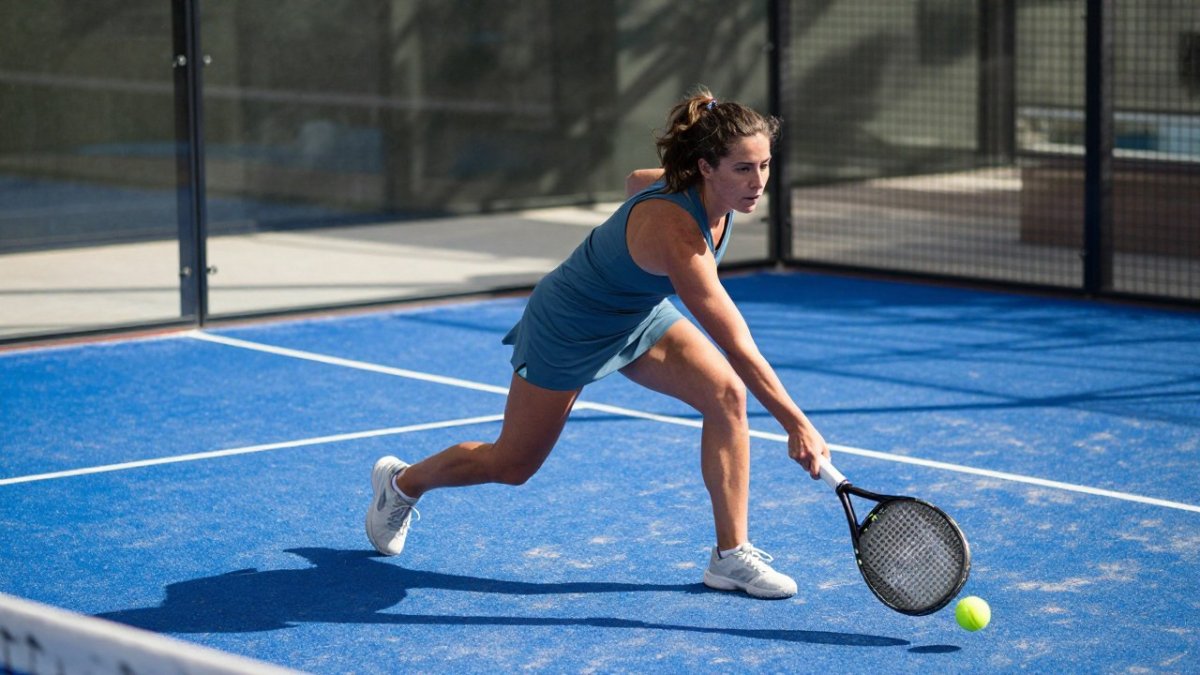
- Inseam length. Choose a length that covers the inner thigh through a full lunge. If the hem is too short, the fabric will ride up, exposing skin to friction at the point of maximum stretch.
- Seam placement. Prioritise flatlock or bonded seams, which sit flush against the skin. Bulky side seams or thick gussets often cause irritation in the inner thigh crease.
- Waistband and drawcord. A wide, flat waistband prevents the need for constant adjustment, while a drawcord provides security for those between sizes.
- Fabric weight. Lightweight, smooth-faced polyester blends are superior to cotton-rich fabrics, which retain moisture and remain damp throughout the match.
Test new kit by performing five wide lunges, two split steps, and a full squat. If the fabric bunches or seams dig in during this test, it will likely cause issues during a match. You can browse padel shorts and liners built for court movement, and men's options sit in the same padel activewear range.
Choosing Padel Clothing for Hot Weather
High temperatures increase sweat production, which accelerates the breakdown of the skin barrier. According to guidance on heat stress in sports, moisture management is critical for maintaining performance and skin integrity. Choose synthetic, moisture-wicking fabrics rather than cotton, as the latter retains sweat and stays damp against the skin.
Look for:
- Light colours to reflect heat.
- Mesh panels or ventilation zones in high-heat areas.
- A close, athletic fit that allows for airflow.
How to Use Anti-Chafing Balm for Sport
Anti-chafing balm is most effective when applied to clean, dry skin before play.
- Ensure the inner thighs are clean and fully dry.
- Apply a thin, even layer of balm or cream.
- Allow the product to settle for one minute before dressing.
- Reapply at the change of ends if the match is long or conditions are humid.
Note: Never apply balm over broken or raw skin, as this can trap bacteria and cause significant stinging. If the skin is already damaged, focus on cleaning and recovery instead.
A Step-by-Step Match-Day Chafing Routine
Before, During and After Play
Before play (60-90 minutes out):
- Shower and dry the inner thighs completely.
- Apply your chosen anti-chafing barrier.
- Perform a movement check to ensure your shorts remain in position during lunges.
During play:
- Use a small towel to pat the inner thighs dry at the change of ends.
- Reapply balm if necessary, but avoid over-application, which can become greasy.
- Adjust any displaced clothing immediately during a dead ball.
After play:
- Shower promptly and pat the area dry.
- Change out of damp kit immediately.
- Apply a fragrance-free moisturiser to support skin recovery.
How to Soothe Chafed Thighs After Play
Soothing irritated skin requires gentle care. Wash with lukewarm water and pat dry with a soft towel. Avoid harsh soaps or fragranced lotions that may aggravate the area. Using a simple, fragrance-free barrier cream can help restore the skin barrier. If redness persists, allow for a rest day to prevent further friction.
When It's Not Just Chafing: Irritation vs Infection
While chafing typically presents as redness and a stinging sensation that improves once friction is removed, an infection may show signs of spreading, swelling, or pus. According to NHS guidance on skin infections, persistent rashes or those with defined edges require professional assessment. If you suspect an infection, consult a pharmacist or GP rather than continuing to apply barrier products.
Build Your Padel Kit with REVIVE Activewear
Proper gear is essential for mitigating friction on the court. REVIVE Activewear and Apparel provides high-performance padel apparel designed for the specific demands of the sport. Whether you are equipping yourself or a team, you can find durable, moisture-wicking designs at https://projectrevive.co.uk.
Ready to play without the burn?
Frequently Asked Questions
What should I wear to stop my thighs rubbing when playing padel?
Wear fitted compression shorts or shorts with a secure built-in liner to provide a consistent barrier against skin-on-skin friction. Choose moisture-wicking synthetic fabrics like polyester, which move sweat away from the body, and ensure all seams are flat to avoid irritation.
Are compression shorts good for preventing thigh chafing?
Yes, compression shorts are highly effective because they create a physical barrier and stay in place during intense lunging and twisting. They also help manage moisture, provided the fabric is synthetic and breathable.
What can I put on my thighs before playing padel?
Apply a dedicated anti-chafing balm or gel to clean, dry skin before you dress. This creates a protective layer that reduces friction. Avoid heavy moisturisers, which can make the skin slippery and increase movement, and reapply during long matches if necessary.
How do you soothe chafed thighs after exercise?
Rinse the area with cool water, pat dry gently, and apply a fragrance-free soothing cream. Allow the skin to breathe by wearing loose clothing and avoid further activity until the irritation has completely settled.