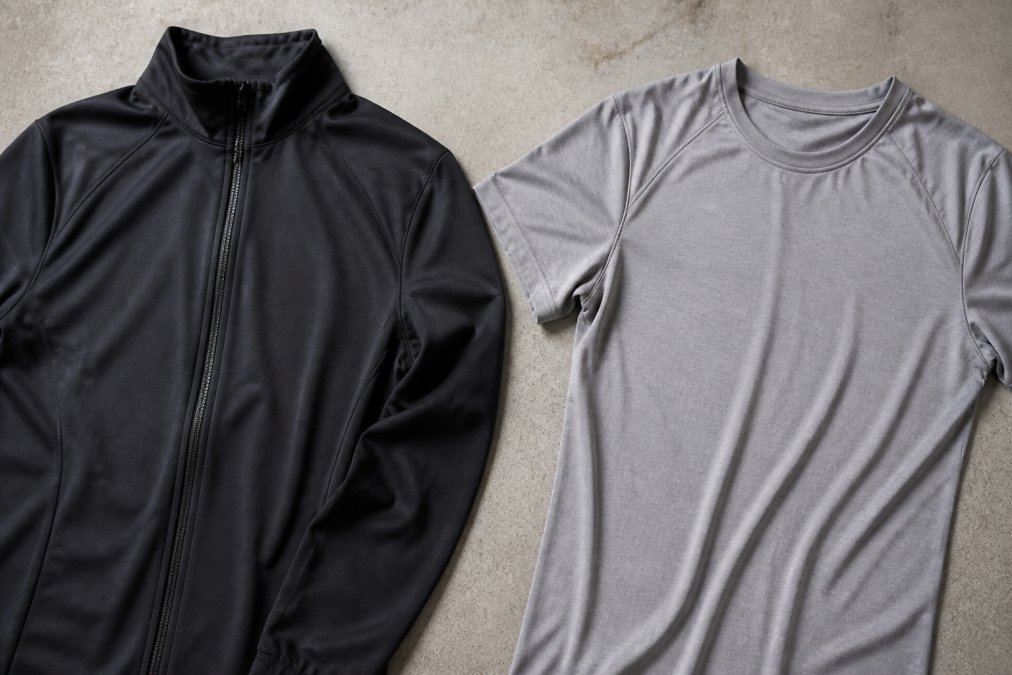
 blog
blog
Is Gym King Good Quality? An Honest 2026 Review
Table of Contents
- What Gym King Quality Actually Means in 2026
- Fabric, Fit and Construction: A Closer Look at Gym King Clothing
- Gym King vs Gymshark Quality: How the Two Compare
- How to Spot High Quality Workout Gear Before You Buy
- Gym vs Lifestyle Wear: Where Gym King Works Best
- Wash Durability, Longevity and Customer Sentiment
- Value for Money: Is Gym King Worth It?
- Frequently Asked Questions
Last Updated: September 11, 2026
What Gym King Quality Actually Means in 2026
Ask "is Gym King good quality" and you'll get a dozen answers, mostly from people who own one hoodie. The honest version: Gym King sits in the affordable end of the activewear market, and its quality reflects that positioning. It has built a following on streetwear-inspired gym clothing at prices that undercut most performance labels, but "good quality" depends on what you're comparing it to.
Where Gym King Sits in the Activewear Market
Gym King is a lifestyle-first brand, not a performance-first one.
It competes on aesthetic and price, leaning toward casual gym wear and streetwear crossover pieces: joggers, oversized tees, hoodies, and matching sets designed to look good in and out of the gym. For low-intensity training, casual wear, and everyday comfort, that works. For high-intensity, sweat-heavy sessions or sports needing technical fabric performance, the picture changes.
Understanding this positioning is the first step in answering whether Gym King is good quality. The brand isn't trying to be a technical performance specialist, and judging it against that standard misses the point.
Fabric, Fit and Construction: A Closer Look at Gym King Clothing
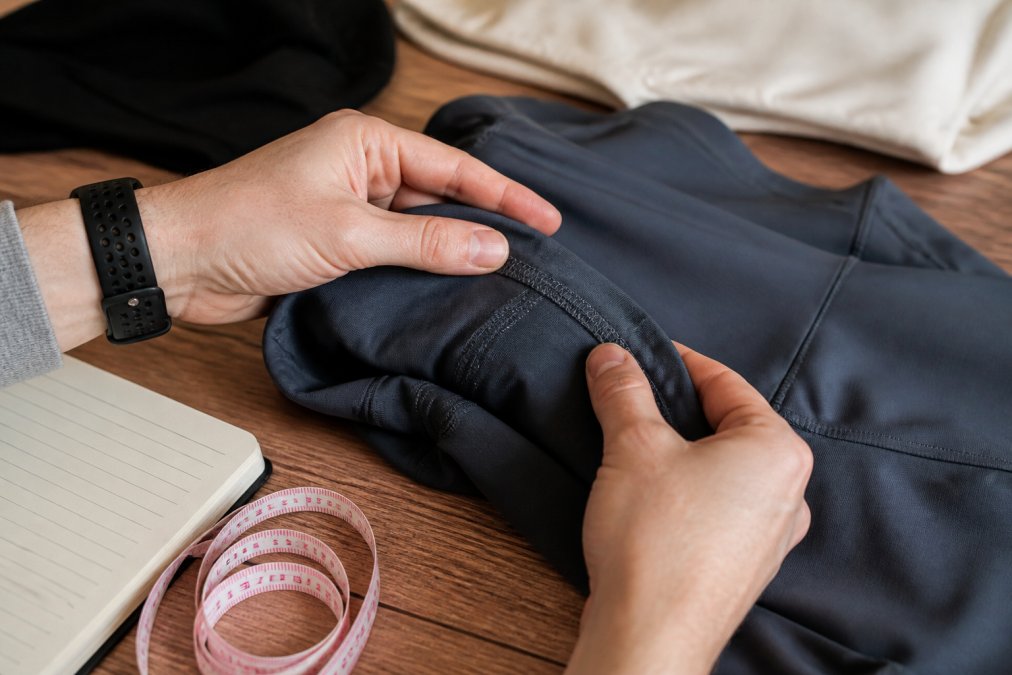
Most reviews stop at "it feels soft" or "it feels thin", not useful when you're working out whether a piece will survive a year of training. What follows is the technical breakdown: what the fabric blends actually are, what they mean in practice, and how construction varies across the range.
What the fabric blends actually are
Gym King's range splits into three fabric families, and the ratios matter more than the product-page marketing:
- Cotton-dominant jersey (roughly 95% cotton / 5% elastane). Used across most tees and many hoodies. Soft and breathable with minimal mechanical stretch. It holds shape reasonably well but has no meaningful moisture management, sweat sits in the fibre. Expect visible sweat patches in a heavy session.
- Polyester-dominant performance blends (roughly 88-90% polyester / 10-12% elastane). Used on training tees, shorts and some joggers, the closest the brand gets to technical activewear. The elastane gives two-way stretch and reasonable shape recovery; the polyester moves moisture to the surface faster than cotton. It is still a basic interlock or single-jersey knit, not an engineered mesh or bi-component yarn.
- Cotton/polyester fleece-back (roughly 60% cotton / 40% polyester). Used on hoodies and heavier joggers. Fleece-back construction traps warmth, so these work as warm-ups and loungewear but overheat quickly during hard training.
A useful benchmark: dedicated performance brands typically use 80-90% polyester with 10-20% elastane plus a wicking finish, and often 150-180 GSM for training tees (textileexchange.org). Gym King's cotton-dominant tees sit closer to 160-180 GSM but without the wicking finish, while its polyester pieces sit in a similar weight band to entry-level performance wear. The gap is the finishing and knit engineering, not the weight.
Why fabric weight varies so much between lines
The most common complaint about this brand is inconsistency: one hoodie feels premium, another papery. The range is sourced across multiple product lines with different target weights rather than built around one house fabric, so a heavyweight fleece-back hoodie and a lightweight summer tee can carry the same label and size tag while feeling like different companies made them.
Practical implication: never assume quality carries across a collection. Check the fabric composition and, where listed, the GSM on the individual product page. If a listing doesn't state composition, treat that as a signal it's a lower-spec line.
Construction: what you get and what you do not
Seam integrity is acceptable for the price point but not exceptional. You'll generally find:
- Standard overlocked (serged) seams on most garments, functional, but bulkier and less flat than flatlock.
- Flatlock stitching on some training pieces where chafing matters (inner thighs, shoulder seams), but not universally.
- Single-stitched hems on lighter tees, the first place you'll see failure after repeated washing.
- No bar-tacks at stress points on most pieces, a cheap reinforcement premium brands use and budget brands skip.
In practice: the construction survives normal wear and washing, but not the abuse a technical training garment is designed for, repeated high-tension stretching, heavy sweat saturation, and frequent hot washing.
Fit and sizing accuracy
Sizing draws the most mixed feedback, and the pattern is consistent enough to plan around:
- Tops and hoodies run slightly small. Between sizes, or broad-shouldered relative to your waist? Size up.
- Bottoms are closer to true to size, but jogger fits vary between collections, a medium in one range can sit like a small in another.
- Fit consistency across ranges is weaker than within a single range. Normal for fast-fashion-adjacent activewear, but it matters when ordering multiple pieces for a matching set.
For specific body types, check the size guide on each product page and read reviews that mention the reviewer's height and build, not just their usual size. If you're buying for a team, order one piece first to confirm fit before committing to bulk.
Gym King vs Gymshark Quality: How the Two Compare
The Gym King vs Gymshark quality comparison is one of the most common searches in this category, and the answer isn't as one-sided as loyalists suggest.
Gymshark is performance-focused, with stronger technical fabric, athletic fits, and durability under training. Gym King leans into lifestyle fashion and casual gym wear at a lower price point. Both have their place.
| Factor | Gym King | Gymshark |
|---|---|---|
| Primary focus | Lifestyle and casual gym wear | Performance and training wear |
| Fabric technology | Basic blends, some moisture-wicking | Technical performance fabrics |
| Fit profile | Runs slightly small, varies by range | More consistent athletic fit |
| Price positioning | Budget-friendly | Mid-range |
| Best for | Everyday comfort, loungewear, casual training | High-intensity training, gym performance |
If your priority is performance wear for serious training, Gymshark generally delivers better technical fabric and fit consistency. If you want affordable, stylish everyday comfort, Gym King holds its own. It's about matching the brand to your use case, not which is "better" in absolute terms.
How to Spot High Quality Workout Gear Before You Buy
Knowing how to spot high quality workout gear saves money and frustration, whatever brand you're considering. Check these before you commit:
- Fabric composition: Look for moisture-wicking synthetics or quality cotton blends. Pure low-grade polyester feels clammy and doesn't breathe.
- Stretchability: Stretch the fabric gently. Quality activewear recovers its shape; poor-quality fabric stays stretched out.
- Seam integrity: Check for flatlock or reinforced stitching at stress points like shoulders and crotch.
- Fabric weight: Heavier fabrics generally last longer, but lighter ones breathe better. Match weight to use.
- Shrinkage resistance: Pre-shrunk or labelled "wash-safe" fabrics hold their size better after repeated washing.
- Color fastness: Dark colours that fade quickly signal cheap dye processes.
- Sizing accuracy: Read reviews that mention fit, not just the size chart.
Gym vs Lifestyle Wear: Where Gym King Works Best
Gym King performs best as lifestyle and casual gym wear, not technical workout gear.
For casual loungewear, everyday comfort, and low-intensity training, it delivers. Joggers and hoodies are the strongest category, good staples for rest days, warm-ups, and general wear.
For high-intensity training, sweat-heavy sessions, and sports demanding moisture-wicking and breathability, the fabric technology falls short of dedicated performance wear. If you play Padel twice a week, do CrossFit, or run regularly, you'll likely need separate performance pieces alongside any Gym King items.
This is where specialist activewear comes into its own. Brands that design around specific sports, like Padel tennis tech design, build fabric and fit around that activity's demands. Brands that design around specific sports, like Padel tennis tech design, build fabric and fit around that activity's demands. REVIVE Activewear and Apparel provides high-quality, stylish, and functional activewear for men and women, perfect for everything from gym workouts and yoga to running and Padel tennis, with a special focus on innovative Padel tech designs. We simplify your fitness journey by offering an easy ordering process for any quantity, from a single item to thousands for your team, backed by standard or express delivery and dedicated expert support.
Wash Durability, Longevity and Customer Sentiment
Most reviews skip this, because testing longevity properly takes months. What follows is a breakdown of how the main fabric families behave over a realistic wash-and-wear cycle, based on common patterns in buyer feedback and the known behaviour of the blends. Treat it as a planning framework, not a lab result.
How the three fabric families age
Cotton-dominant jersey (tees, lighter hoodies). Shows its age first. Expect:
- 0-10 washes: Minimal change. Softness may increase slightly.
- 10-30 washes: Surface pilling begins, particularly under the arms and across the lower back where friction is highest. Colour on darker pieces starts to dull if washed warm.
- 30+ washes: Necklines can lose shape, hems can curl, and the fabric can thin at the shoulders. Shrinkage of 2-4% is common if the piece is tumble dried (fabriclink.com).
Polyester-dominant blends (training tees, shorts). Hold shape better but can develop odour retention if not washed thoroughly. Expect:
- 0-20 washes: Shape and colour hold well. Stretch recovery remains good.
- 20-50 washes: Elastane begins to fatigue, so the garment feels slightly looser. Surface may develop a faint sheen where friction is highest.
- 50+ washes: Colour fade becomes noticeable on darker shades; wicking performance (already modest) declines further.
Cotton/polyester fleece-back (hoodies, heavier joggers). Most durable, but most prone to pilling on the fleece side:
- 0-20 washes: Little visible change if washed cool and air dried.
- 20-40 washes: Pilling on the interior fleece and around cuffs. Exterior colour holds reasonably well.
- 40+ washes: Cuffs and hems may lose elasticity; the fleece can flatten, reducing warmth.
The care variables that actually change the outcome
The difference between a piece lasting six months and two years is mostly care, not luck:
- Wash temperature. Cool (30°C) preserves elastane and colour far better than warm or hot (cleaninginstitute.org). Hot washing is the fastest way to kill stretch recovery.
- Tumble drying. The biggest cause of shrinkage and pilling. Air drying flat or on a line adds months to cotton-dominant pieces.
- Detergent type. Biological detergents break down elastane over time; a gentle, non-biological detergent suits stretch blends better.
- Fabric softener. Avoid on polyester-dominant pieces, it coats the fibres and reduces what little wicking performance they have.
- Washing dark colours separately. Prevents dulling from dye transfer and abrasion against lighter fabrics.
- Inside-out washing. Reduces surface pilling and print cracking on logo-heavy pieces.
What customer sentiment actually shows
Overall satisfaction is positive for the price point, and buyer feedback follows a consistent pattern:
- Strongest sentiment comes from casual gym-goers and lifestyle buyers using the brand for loungewear, rest days, and low-intensity training. For them, the value proposition holds up.
- Weakest sentiment comes from serious athletes training five or more times a week in the same pieces. For them, the fabric fatigue timeline above arrives faster than expected.
- Delivery and returns are generally reported as acceptable, with straightforward returns. Not a differentiator either way.
A realistic longevity expectation
A cotton-dominant tee washed cool, air dried, and worn once a week should give 12-18 months of usable life before it looks tired. A fleece-back hoodie treated the same way: two to three years. Tumble dry everything on warm and train hard in cotton tees, and expect visible decline within three to four months.
The honest summary: not a brand built for long-term durability under heavy training loads, but not disposable either. Treated well, it lasts. Treated like performance wear, it won't.
Value for Money: Is Gym King Worth It?
Price-to-quality is where Gym King makes its strongest case. For buyers wanting stylish, comfortable activewear at an accessible price, it delivers reasonable value, provided you go in with the right expectations.
It's worth it if you want:
- Affordable everyday gym wear and loungewear
- Trend-led styles at a lower price point
- Pieces for casual training and rest days
Look elsewhere if you need:
- Technical performance fabric for high-intensity training
- Consistent fit across multiple pieces
- Long-term durability under heavy washing
For team orders, specialist brands often make more sense: bulk ordering from a performance-focused supplier, with guaranteed matching sets and delivery timelines, avoids the fit inconsistency of mixing ranges from a lifestyle brand.
The real challenge with budget activewear is that "good enough" often isn't, especially once you're training regularly or equipping a whole team. REVIVE Activewear and Apparel provides high-quality, stylish, and functional activewear for men and women, perfect for everything from gym workouts and yoga to running and Padel tennis, with a special focus on innovative Padel tech designs. We simplify your fitness journey by offering an easy ordering process for any quantity, from a single item to thousands for your team, backed by standard or express delivery and dedicated expert support. Our mission is to empower you to restart, reset, and refocus with apparel and accessories that blend performance and design, ensuring you always have the right gear to achieve your goals. Subscribe to our email list and gear up with activewear that matches your training.
Frequently Asked Questions
Is Gym King a good brand for high-intensity training?
Gym King sits in the lifestyle-led end of the activewear market. Its joggers, hoodies and tees suit gym-to-street wear and low-impact sessions well, but for high-intensity training you want moisture-wicking fabric, flatlock seams and four-way stretch. Check the label before buying: garments built for intense sessions list these features, while casual pieces often do not.
Is Gym King better than Gymshark for quality?
It depends on what you train in. Gymshark leans towards performance wear with technical fabrics and a wider range of training-specific fits. Gym King focuses on everyday comfort and casual loungewear styling. Neither is automatically better; compare fabric weight, seam construction and fit consistency on the specific piece you want rather than judging the whole brand.
How do I spot high quality workout gear before buying?
Check four things. First, fabric composition: a synthetic blend with elastane holds shape better than cheap cotton. Second, seams: flatlock stitching reduces chafing and lasts longer. Third, stretchability and shrinkage resistance, which you can gauge from wash-care instructions. Fourth, fit consistency, which customer reviews reveal faster than any size chart.
Does Gym King offer good value for money?
Value depends on how you use the gear. If you want a wardrobe staple for casual wear and light training, Gym King's price-to-quality ratio holds up reasonably well. If you need performance wear for frequent high-intensity sessions, spending more on technical fabric and better garment construction usually pays off over time.