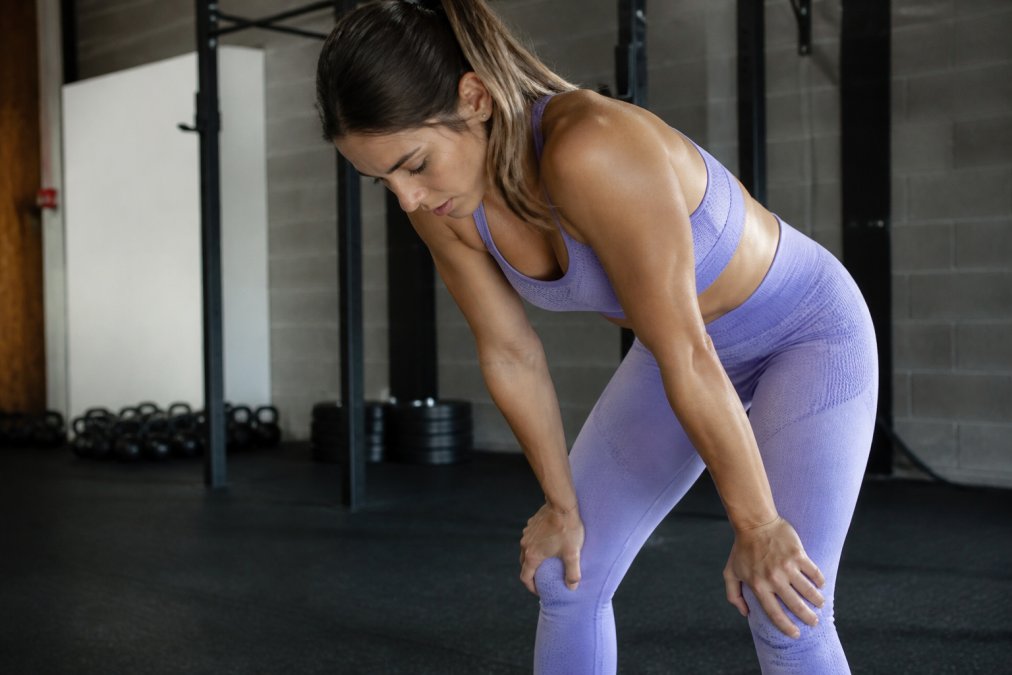
 comparison
Is Seamless Activewear Worth It for Intense Training?
Table of Contents
- What Is Seamless Activewear?
- Seamless vs Regular Gym Wear: Key Differences
- Benefits of Seamless Activewear for High-Intensity Training
- Performance During High-Intensity Interval Training
- Seamless Activewear for Different Body Types
- REVIVE Alternative for High-Performance Seamless Gear
- Longevity, Repairability, and Real-World Durability
- Is the Investment Actually Worth It?
- Frequently Asked Questions
Last Updated: September 18, 2026
What Is Seamless Activewear?
Seamless activewear is constructed using circular knitting machines that create garments without traditional seams or stitching. Instead of cutting fabric pieces and sewing them together, the entire garment is knitted as one continuous piece. This manufacturing method eliminates the pressure points, friction, and irritation that conventional seamed clothing creates during movement.
Seamless construction fundamentally changes how athletes experience their gear during training. The fabric wraps around the body like a second skin, distributing pressure evenly across the surface rather than concentrating it along seam lines. This is particularly important for high-intensity workouts where repetitive movement and sweat create conditions that make traditional seams problematic.
The seamless approach uses synthetic fibres, typically nylon, polyester, or elastane blends, engineered for moisture-wicking and durability. These technical fabrics pull sweat away from skin and dry quickly, which is essential when you're pushing hard in the gym or on the court. The circular knitting process also allows for ergonomic mapping, where different fabric densities are built into specific zones: thicker, more supportive areas where you need compression, and lighter, more breathable sections where ventilation matters most.
Seamless vs Regular Gym Wear: Key Differences
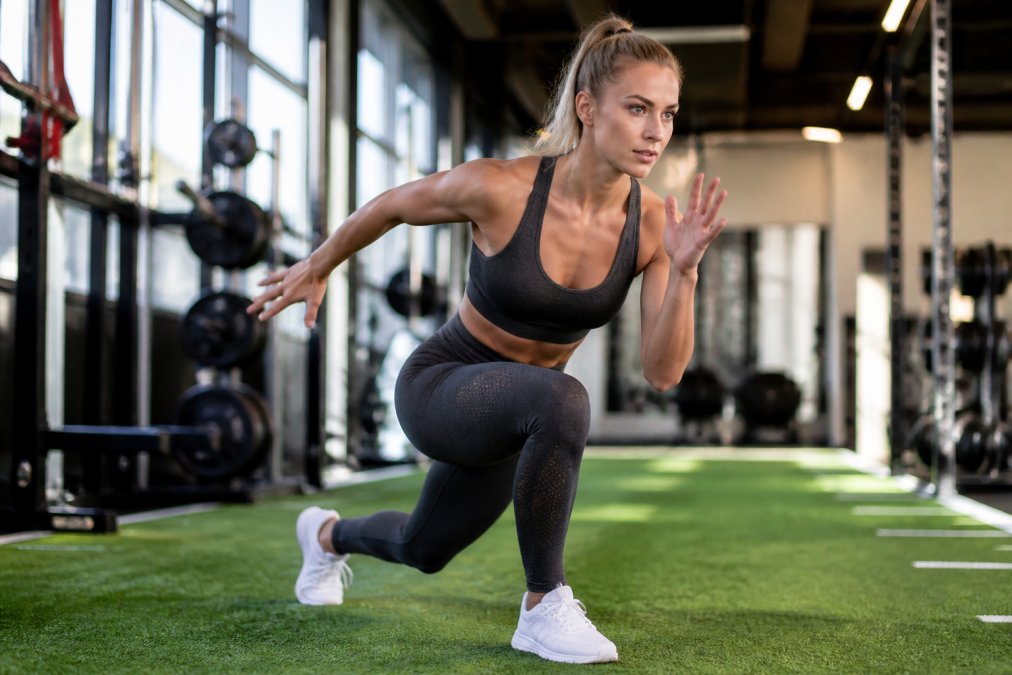
The core difference between seamless and traditional stitched gym wear comes down to construction method and what that means for your body during movement. Regular gym wear uses flat-lock or regular seams that create visible lines and pressure points. When you're moving dynamically, jumping, lunging, sprinting, those seams dig into your skin, create friction zones, and can cause chafing within the first 20 minutes of intense activity.
Seamless activewear eliminates these pressure points entirely. Because the garment is knitted as one piece, there's nothing to dig in. The fabric moves with your body rather than against it. This difference becomes obvious during high-intensity interval training, where traditional seams become uncomfortable within the first few rounds.
| Feature | Seamless Activewear | Traditional Stitched Wear |
|---|---|---|
| Seam construction | No seams; one continuous knit | Multiple stitched seams |
| Chafing risk | Minimal friction points | Pressure and friction at seams |
| Moisture management | Four-way stretch with integrated wicking | Variable depending on fabric |
| Durability | Maintains shape through wash cycles | Seams can weaken over time |
| Comfort during movement | Moves with body; locked-in feel | Can shift and create pressure points |
| Cost | Higher upfront investment | Lower initial cost |
The difference in breathability is also significant. Seamless fabrics are engineered with strategic ventilation zones built into the knit pattern itself. Traditional wear relies on fabric choice alone. During sweat-heavy sessions, seamless construction manages moisture more effectively because the fabric design accounts for where your body generates the most heat.
Durability differs too. Seams are stress points, they're where fabric fails first. With seamless construction, there's no weak point for stress to concentrate on. The garment holds its shape and elasticity through dozens of wash cycles, whereas traditional seams can fray or weaken after heavy use.
Benefits of Seamless Activewear for High-Intensity Training
Moisture-wicking and sweat management
Seamless activewear manages sweat through both fabric choice and construction design. The circular knitting process creates micro-channels within the fabric that actively pull moisture away from skin and move it toward the outer surface where it can evaporate. This is the moisture-wicking process, and it's essential when you're doing high-intensity interval training where sweat production is constant.
Traditional fabrics can absorb sweat, leaving you feeling wet and heavy. Seamless technical fabrics repel moisture instead. Water beads on the surface and dries quickly, which means you stay lighter and more comfortable throughout your session. During intense training, this translates to less distraction and better performance.
The ergonomic design of seamless pieces also matters for sweat management. Thicker knit zones provide compression and support in areas that generate the most heat and friction, your core, glutes, and thighs. Lighter zones across the back and shoulders allow air circulation. This zoning keeps you dry where it counts most.
Durability and shape retention
Seamless activewear maintains its shape far longer than traditional gym wear because there's no stress point where seams can fail. The elasticity of the fabric, the ability to stretch and return to its original form, is preserved through dozens of wash cycles. Quality seamless pieces retain their fit and support through many wash cycles without visible degradation.
This durability matters because activewear is an investment. If a piece loses its shape after a few months, you're replacing it frequently. Seamless construction means your gear lasts longer, which improves the value proposition over time. The fabric resists pilling, those small balls of fibre that appear on worn areas, because the tight knit structure doesn't create loose fibres the way traditional weaves do.
Shape retention is particularly important for compression gear. If the elasticity goes, the compression benefit disappears. Seamless pieces maintain their compression properties consistently, which means the support you felt on day one is still there on day 100.
Chafing reduction and skin comfort
Chafing happens when fabric moves against skin repeatedly, creating friction and heat. Traditional seams are the primary culprit because they're rigid lines that don't move with your body. Seamless construction eliminates this entirely. Without seams, there's no friction point, and skin irritation drops dramatically.
This benefit compounds during intense training. When you're doing burpees, high knees, or rapid lateral movement, your body generates heat and sweat. These conditions amplify friction in traditional seamed wear. With seamless activewear, the fabric stays in place and moves as an extension of your body. The locked-in feel means nothing shifts, bunches, or rubs.
For athletes with sensitive skin or those prone to chafing, seamless activewear is transformative. Many people report that switching to seamless gear eliminates chafing issues they've dealt with for years. The difference is immediate and noticeable.
Performance During High-Intensity Interval Training
During high-intensity interval training (HIIT), your body demands maximum performance from your gear. You're moving explosively, changing direction rapidly, and generating intense sweat. Your activewear needs to support all of this without becoming a distraction.
Seamless activewear excels in HIIT because the four-way stretch fabric allows unrestricted range of motion. Your legs, arms, and torso can move freely without the garment creating resistance or pressure points. The compression built into strategic zones provides muscle support without restricting movement. This combination of support and freedom is exactly what HIIT demands.
The moisture-wicking performance becomes critical during interval work. You're not doing steady-state cardio where sweat builds gradually. You're alternating between explosive effort and brief recovery. The seamless fabric's ability to pull sweat away quickly means you stay dry and light between intervals, which helps you maintain intensity.
Recovery between intervals also benefits from seamless construction. Without seams creating pressure or friction points, your body can cool more efficiently. The fabric's breathability allows air circulation, which speeds recovery between sets. This might seem minor, but when you're doing 8 to 10 rounds of intense work, every advantage matters.
Seamless Activewear for Different Body Types
Seamless activewear performs differently depending on body shape because the fit and compression zones interact with your body's contours in specific ways. The key advantage is that seamless construction allows for ergonomic mapping, designers can place compression and support exactly where different body types need it.
For athletes with broader shoulders and narrower waists, seamless pieces offer better support through the shoulder and back because the knit pattern can be engineered to accommodate that shape.
REVIVE Alternative for High-Performance Seamless Gear
REVIVE Activewear and Apparel stands out in the seamless activewear space because we've engineered our pieces specifically for intense training across multiple sports, from gym workouts and HIIT to running and Padel tennis. Our seamless construction uses circular knitting with ergonomic mapping to deliver support exactly where athletes need it most.
Longevity, Repairability, and Real-World Durability
Seamless activewear lasts longer than traditional gym wear, but real-world durability depends on fabric quality and care. High-quality seamless pieces maintain their elasticity, shape, and compression properties through 50 to 100 washes. Lower-quality seamless wear can lose these properties faster, which is why brand and construction matter.
Is the Investment Actually Worth It?
Whether is seamless activewear worth it for intense training depends on your training intensity and frequency. If you do high-intensity training multiple times per week, seamless activewear delivers clear benefits: reduced chafing, better moisture management, maintained shape, and superior comfort during movement. The investment pays for itself through durability and the elimination of frequent replacements.
Frequently Asked Questions
Does seamless activewear provide enough compression for heavy lifting?
Yes, seamless activewear engineered for intense training typically incorporates high-compression knit construction that supports muscles during heavy loads. The circular knitting process creates consistent compression throughout the garment, offering the locked-in feel lifters need. However, compression levels vary by brand and design, look for products specifically marketed for strength training or weightlifting to ensure adequate support for your training intensity.
How does seamless activewear hold up during high-intensity interval training?
Seamless activewear excels during HIIT because the seam-free construction eliminates friction points where sweat and movement cause irritation. The four-way stretch fabric allows unrestricted range of motion, while moisture-wicking synthetic fibres manage sweat efficiently. Durability depends on fabric quality and care, premium seamless gear maintains elasticity and shape retention through repeated intense sessions and frequent washing.
What's the difference between seamless vs regular gym wear for performance?
Seamless activewear removes traditional stitched seams that create pressure points and friction during movement. This reduces chafing and skin irritation, particularly during high-intensity training. Regular stitched gym wear offers lower cost but can cause discomfort during heavy sweat sessions. Seamless construction also enables better ergonomic design and improved breathability through strategic ventilation zones that stitched seams would interrupt.
Is seamless activewear worth the higher price for casual gym sessions?
For casual, lower-intensity workouts, seamless activewear offers comfort benefits but may not justify premium pricing. The real return on investment appears during high-intensity training where moisture management, chafing reduction, and durability become critical. If you train intensely 3+ times weekly, the longevity and performance advantages can offset the higher upfront cost over time with regular use.