 comparison
Padel Apparel vs Tennis: What's Actually Different?
Table of Contents
- Padel Apparel vs Tennis: The Core Differences
- Performance Fabrics for Court Sports: What to Look For
- Fit and Movement: Why Padel Apparel Cuts Differ
- Padel Ball Pocket Shorts: A Practical Upgrade
- Footwear: Outsole Patterns for Court Surface
- Best Padel Clothing for Beginners: Where to Start
- Budget vs Performance: How Much Should You Spend?
- Conclusion: Choosing Apparel That Matches Your Game
- Frequently Asked Questions
Last Updated: September 6, 2026
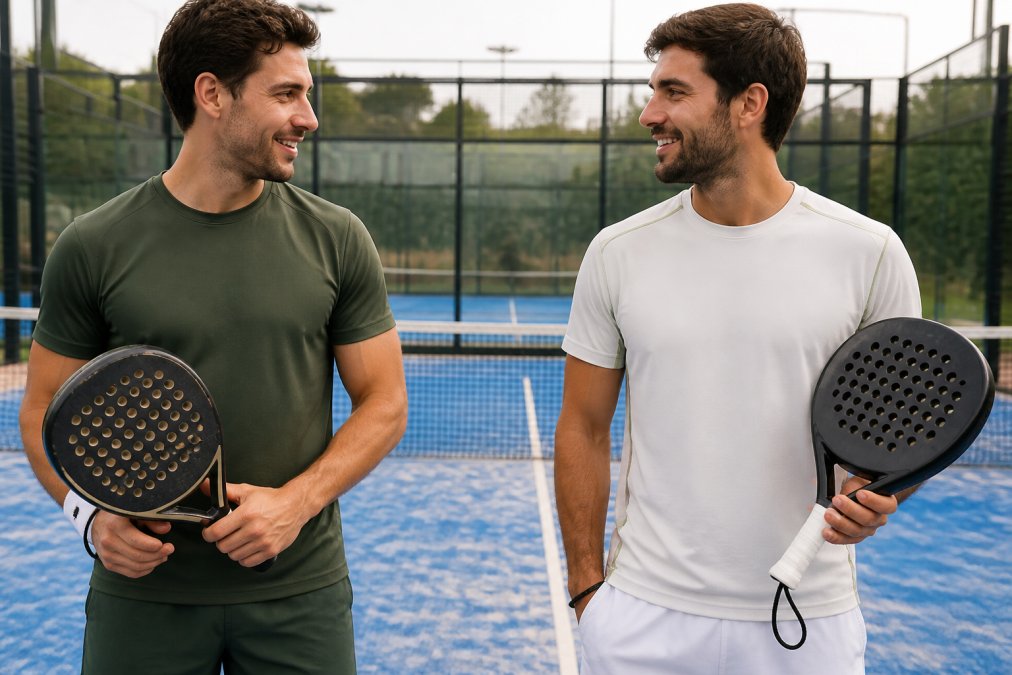
Padel has exploded across the UK, and with it comes a simple question every new player asks: is padel apparel different from tennis? The short answer is yes, but not for the reasons most people assume. It comes down to how the sport moves, where you play, and the specific demands of the glass walls and court surface. This guide breaks down the technical differences so you buy the right kit the first time.
Most beginners reach for their old tennis gear. That works for a casual game, but once you start playing regularly, the limitations become obvious. Padel involves shorter, more explosive lateral movements, frequent wall play, and a lower centre of gravity than tennis. The apparel that supports these actions differs in fabric, cut, and even pocket placement.
Padel Apparel vs Tennis: The Core Differences
Padel apparel is designed for multidirectional court movement and wall proximity, whereas tennis clothing prioritises overhead serving motion and larger court coverage. Tennis shirts often have a looser, classic cut to allow for big shoulder rotation during serves, while padel wear tends to be more fitted to prevent snagging on the cage and to keep fabric close during rapid direction changes.
The material science also differs. Both sports use synthetic fibres like polyester and elastane, but padel-focused garments lean heavier on stretch fabric for flexibility and compression-style fits that support muscles during quick stops. The court surface itself matters too. Padel is played on artificial grass or carpet over concrete, which generates more heat and requires better heat management from your clothing.
Performance Fabrics for Court Sports: What to Look For
Look for moisture-wicking technology and breathability above all else when choosing court-ready clothing. Padel rallies can be intense, and you will sweat more than a casual game of doubles tennis. Fabrics that pull sweat away from the skin and dry fast keep you comfortable and focused.
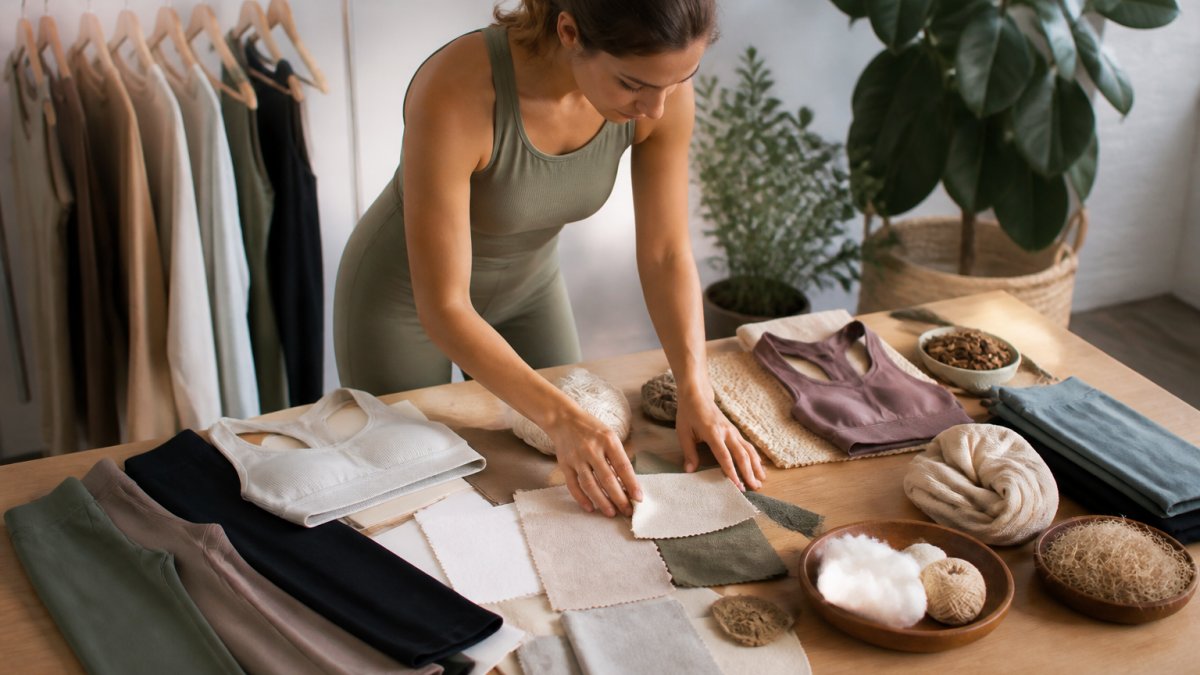
The best performance wear for court sports uses a blend of polyester for durability and elastane for stretch. This combination delivers the flexibility needed for deep lunges and the lightweight feel that prevents fatigue. Breathable mesh panels, often placed under the arms or across the back, improve ventilation in the areas that heat up fastest.
Many players overlook the role of technical apparel in regulating body temperature during outdoor matches. A quality top should feel cool on the first serve and still manage moisture after an hour of play. For a deeper look at how fabric choices affect athletic output, the UK Sport's guidance on technical clothing for athletes highlights the importance of layering and material selection in competitive environments.
Fit and Movement: Why Padel Apparel Cuts Differ
Padel apparel cuts are closer to the body than tennis wear, with a focus on ergonomic fit that supports lateral stability and rapid changes of direction. A loose tennis shirt can billow, but on a padel court the bigger issue is fabric snagging on the glass or getting caught when you press against the wall to return a shot.
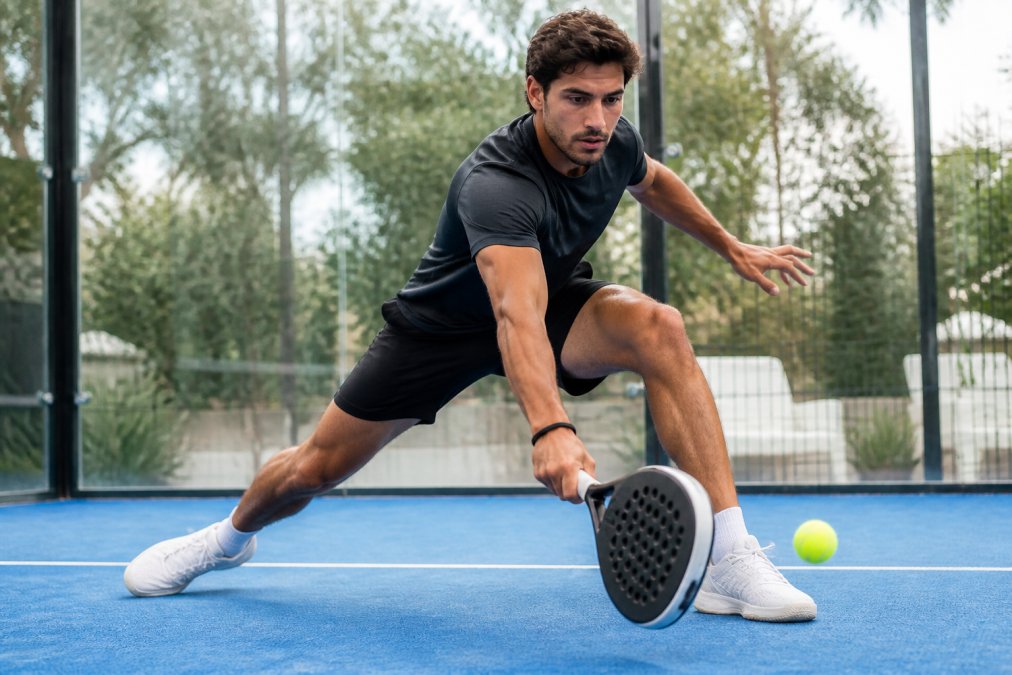
The cut of the sleeves and shoulders also differs. Padel relies less on the full overhead serve motion and more on compact, wrist-driven shots from the back glass. This means the shoulder construction can be more simplified, allowing for a greater range of motion in the forehand and backhand volleys without excess material bunching.
A common mistake is buying apparel with a compression fit that is too tight. You want a fitted silhouette that moves with you, not one that restricts your breathing when you stretch for a high ball. Look for garments with articulated seams, pre-shaped to match the body in an athletic posture.
Padel Ball Pocket Shorts: A Practical Upgrade
Padel ball pocket shorts solve a problem tennis players rarely face: where to store a spare ball during a fast rally. In tennis, you usually have time between points to reach into your pocket. Padel points are shorter and quicker, and you often need a ball ready the moment the previous one goes out.
These shorts feature a dedicated pocket on the thigh or lower back, sized perfectly for a padel ball. The design keeps the ball secure during lateral lunges and sprints to the net, without the bulk of a standard tennis ball pocket that can interfere with your swing.
The pocket placement also matters for comfort when you are leaning against the glass. A rear pocket can be uncomfortable when you press your back into the wall, so many players prefer a side-thigh pocket.
Footwear: Outsole Patterns for Court Surface
Footwear is where the difference between padel and tennis becomes most critical, yet it is also the most misunderstood. The outsole pattern is not a styling choice; it is a traction system engineered for a specific surface. Padel courts in the UK are predominantly artificial grass laid over a concrete or asphalt base, sometimes with a sand infill. Tennis courts are typically hard court, clay, or grass. Each surface demands a different grip profile.
Herringbone vs. Omni vs. Clay-Specific Treads
Padel shoes almost universally use a herringbone pattern, a continuous V-shaped or zigzag groove that runs across the sole. This design provides multidirectional grip, which suits padel's constant lateral shuffling, pivots, and sudden stops. The grooves channel surface debris away from the contact patch, maintaining traction even when the court is dusty.
Tennis shoes, however, are not a single category. Hard-court tennis shoes use a modified herringbone or a flat, multi-directional tread with wider, more pronounced blocks. Clay-court tennis shoes use a full herringbone but with a shallower, more aggressive pattern designed to allow controlled sliding. Wearing a clay-court tennis shoe on a padel court can actually be dangerous, the sole is designed to release grip on impact, which on artificial grass can cause your foot to slip out from under you during a lateral lunge.
How to Visually Identify a Padel Outsole
Before you buy, turn the shoe over and look at the tread. A true padel outsole will have:
- A continuous herringbone pattern covering the entire sole, including the toe and heel.
- No large, flat, or smooth zones, these reduce grip on artificial grass.
- A reinforced toe cap area, often with a slightly raised rubber lip, because padel players drag their front foot when reaching low shots near the glass.
- A flexible forefoot that allows the shoe to bend easily when you push off from a low stance.
The 'Pivot Point' Issue
One detail most guides miss is the pivot point. In tennis, you pivot on the ball of your foot during serves and groundstrokes. In padel, you pivot frequently on the heel and the outside edge of the foot when you turn to face the glass after a wall shot. A tennis shoe's outsole is often reinforced at the toe and medial forefoot, but padel shoes add durability at the lateral heel. If you wear tennis shoes, you will wear through the outer heel area within a few months, a clear sign the shoe was not designed for padel's movement patterns.
What About 'Omni' or 'All-Court' Shoes?
Some brands sell 'omni' or 'all-court' shoes that claim to work on both tennis and padel surfaces. These are a compromise. They typically use a slightly shallower herringbone that works on hard courts but lacks the bite needed on artificial grass with sand infill. If you play padel more than once a week, a dedicated padel shoe is worth the investment.
A Quick Test for Existing Shoes
If you already own tennis shoes and want to know if they are safe for padel, perform a simple test: place the shoe on a flat surface and press down firmly. Try to slide it sideways. If it slides easily, the tread is too flat for padel. If it grips firmly, you likely have a herringbone or multi-directional pattern that will work in a pinch, though you will still lack the lateral heel reinforcement.
For a deeper look at how court surfaces affect footwear choice, the International Padel Federation's equipment guidelines outline the expected court conditions and how footwear interacts with them, which is worth reviewing before you buy.
Best Padel Clothing for Beginners: Where to Start
For beginners, the best padel clothing starts with a moisture-wicking top and a pair of shorts or skirt with a ball pocket, plus proper padel-specific footwear. You do not need a full wardrobe of specialist gear on day one, but these three items will make the biggest difference to your comfort and safety on court.
Start with a short-sleeve technical top in a breathable synthetic fabric. Avoid cotton, which absorbs sweat and becomes heavy. Pair it with shorts that have the integrated ball pocket we discussed earlier. If you are playing outdoors in the UK, bring a lightweight, wind-resistant layer for between games.
For footwear, invest in a proper pair of padel shoes rather than repurposing running trainers. Running shoes lack the lateral stability required for padel's side-to-side movement and increase your risk of ankle injury.
| Item | Key Feature | Why It Matters |
|---|---|---|
| Top | Moisture-wicking fabric | Keeps you dry and cool |
| Shorts/Skirt | Ball pocket | Ball ready for quick points |
| Shoes | Herringbone outsole | Grip on artificial grass |
| Outer Layer | Lightweight, breathable | Wind protection outdoors |
Budget vs Performance: How Much Should You Spend?
The honest answer is that you do not need padel-specific apparel to start playing, but you do need to understand what you are paying for at each price point. The market offers a wide range, from supermarket multisport tops to premium padel-specific shirts. The difference is not just branding, it is in the fabric composition, seam construction, and cut.
What Entry Level Gets You
At this level, you are buying a basic polyester or polyester-cotton blend top. It will wick moisture to some degree, but the fabric is often thinner and less durable. The cut is typically a generic athletic fit, not tailored for padel's lateral movements. Shorts in this range rarely have a dedicated ball pocket; instead, they have a standard side pocket that is too shallow to hold a padel ball securely during a fast rally. These garments will work for a casual game once a month, but they will show wear after a limited number of washes.
What Mid-Range Gets You
This is where you start seeing padel-specific design. Brands in this range use a higher percentage of elastane (typically 10-15%) blended with polyester, which gives the fabric a four-way stretch that moves with you during lunges. The seams are often flat-locked or taped to reduce chafing during lateral movement. Shorts in this range usually include a dedicated ball pocket on the thigh or lower back, positioned to avoid interference with your swing.
What Performance Level Gets You
Premium padel apparel uses advanced fabric technologies, such as recycled polyester blends, seamless construction, and laser-cut ventilation zones. These garments are engineered for specific body positions: articulated knees, pre-curved sleeves, and a lower rise that stays in place when you bend into a low volley. The elastane content is often higher (15-20%), and the fabric is knitted, not woven, which gives it a softer hand-feel and better moisture transfer.
A Practical Decision Framework
Instead of guessing, use this simple test based on your playing frequency:
| Play Frequency | Recommended Spend | Why |
|---|---|---|
| Once a month or less | Basic moisture-wicking is enough; durability is less critical | |
| 1-2 times per week | Ball pockets and articulated cuts become noticeable; better seam durability | |
| 3+ times per week or competing | Advanced fabrics, reinforced seams, and sport-specific cuts justify the cost |
The 'One Good Outfit' Strategy
A smarter approach than buying a full budget wardrobe is to buy one mid-to-premium outfit first. Play in it for three or four sessions. You will quickly notice whether the ball pocket placement works for your game, whether the fabric stays dry through a full match, and whether the cut restricts your movement when you press against the glass. If it works, you can then buy additional pieces to match.
Washing and Longevity: The Hidden Cost
The Which? guide to washing sportswear notes that technical fabrics require proper care to maintain their moisture-wicking properties over time. A budget top that you wash on a hot cycle with fabric softener will lose its performance after a few washes. A premium top washed correctly (cold, gentle cycle, no softener, air-dried) can last many more washes. Over time, the premium top may actually be cheaper per use than replacing a budget top multiple times. This is the calculation most beginners miss.
What to Skip at Every Budget
Regardless of what you spend, avoid these items:
- Cotton t-shirts, they absorb sweat, become heavy, and chafe.
- Running shorts with built-in briefs, they lack ball pockets and the brief can ride up during lateral movement.
- Tennis whites, there is no dress code in padel; you can wear any colour, so do not limit yourself to white for tradition's sake.
Conclusion: Choosing Apparel That Matches Your Game
Choosing the right padel apparel comes down to understanding the sport's unique demands: multidirectional movement, wall play, and a specific court surface. Tennis clothing will work in a pinch, but it lacks the ball pockets, ergonomic cuts, and outsole patterns that make padel-specific gear more comfortable and effective.
The challenge is finding apparel that balances technical performance with a style you want to wear off the court. REVIVE Activewear and Apparel offers padel tech designs that blend performance and design, with scalable order quantities from a single item to thousands for your team. With standard or express delivery and dedicated expert support, you can get court-ready without the guesswork. Get started with REVIVE Activewear and Apparel and find kit that moves with your game.
Frequently Asked Questions
Can you wear tennis clothes for padel?
Yes, you can wear tennis clothes for padel, but they may not be ideal. Tennis kit is designed for longer, linear court movement, while padel involves more lateral lunges, quick pivots and wall play. Padel apparel typically uses stretchier fabrics and ergonomic cuts that allow freer multidirectional movement. If you play padel regularly, investing in padel-specific clothing will feel more comfortable. For casual games, your existing tennis wardrobe works fine, though you will miss practical features like ball pockets and reinforced side panels that protect against wall contact.
What are the functional differences between padel and tennis apparel?
The main functional differences come down to movement patterns, pocket design and durability. Padel requires more lateral and rotational movement, so apparel uses higher-stretch fabrics with ergonomic paneling. Padel ball pocket shorts are a key feature, letting you carry spare balls during serves without breaking rhythm. Tennis clothing tends to have a looser, more traditional cut. Padel tops often include reinforced side seams and slightly longer sleeves to cope with wall scrapes, while tennis gear prioritises lightweight breathability for longer matches on larger courts.
Do I need specific pockets for padel balls?
Yes, dedicated padel ball pocket shorts make a noticeable difference during match play. Standard tennis shorts rarely have secure, deep pockets designed to hold a ball through dynamic movement. Padel-specific shorts place pockets on the side or rear hip where they stay accessible without interfering with your swing or movement. You can retrieve a ball quickly between points without reaching awkwardly. Many players find this keeps their rhythm intact. If you play socially or in leagues, this small detail becomes one of the most practical reasons to choose padel apparel over generic sports shorts.
Is padel more tiring than tennis?
Padel and tennis tire you out differently rather than one being universally harder. Padel courts are smaller, so you cover less distance, but rallies tend to be longer and involve more explosive lateral movements, quick direction changes and overhead smashes. Tennis demands greater overall court coverage and sustained endurance over a larger area. The physical demands differ enough that padel-specific apparel focuses on multidirectional stretch and ventilation, while tennis clothing emphasises lightweight breathability for prolonged running. Your energy systems are challenged in both sports, just in different patterns.