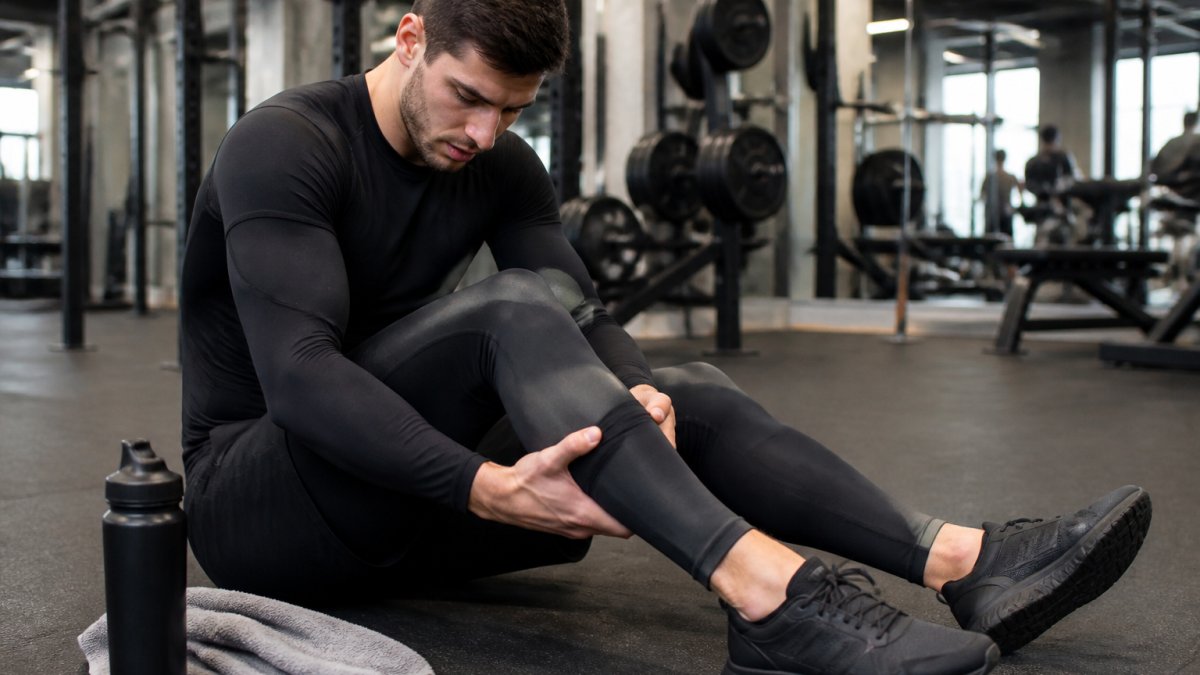
 ultimate-guide
What Are the Benefits of Wearing Compression Gear?
Table of Contents
- How Compression Gear Works
- Improved Blood Circulation and Venous Return
- Reduced Muscle Soreness and Faster Recovery Times
- Benefits of Compression Tights for Running
- How Long to Wear Compression Gear for Recovery
- Best Practices for Wearing Compression Clothing
- Compression Gear for DVT Prevention and Everyday Circulation
- Frequently Asked Questions
Last Updated: September 29, 2026
How Compression Gear Works
Compression gear is athletic clothing engineered to apply graduated pressure to your limbs, and it works by assisting your circulatory system rather than squeezing it uniformly. Compression pieces are often built around one principle: pressure should be highest at the ankle or wrist and gradually decrease as it moves up the limb. That difference, small as it sounds, is what separates functional compression from a tight pair of leggings.
The Pressure Gradient Explained
The pressure gradient is the measured decrease in pressure from the bottom of a garment to the top. Medical-grade compression is rated in millimetres of mercury (mmHg), and the gradient is what encourages venous return: blood travelling back toward the heart against gravity.
Improved Blood Circulation and Venous Return
Compression clothing supports blood flow by giving your veins external structure to work against. Veins rely on one-way valves and surrounding muscle contractions to push blood upward; when those valves are strained or your muscles are still, blood pools in the lower legs. Graduated pressure reduces that pooling and helps the circulatory system keep moving.
- Venous return improves as external pressure assists the calf muscle pump
- Oxygenation rises when deoxygenated blood clears the tissue faster
- Blood pooling drops, particularly during long periods of standing or sitting
Reduced Muscle Soreness and Faster Recovery Times
The recovery case for compression rests on two mechanisms: reduced muscle oscillation during activity and less swelling afterwards. Muscle oscillation is the vibration a muscle undergoes with every foot strike or jump. Compression holds the tissue closer to the bone, which reduces that movement and the micro-damage that accumulates from it.
Benefits of Compression Tights for Running
Compression tights are most useful for runners covering longer distances or repeating high-intensity sessions, because the benefits compound with duration and impact. The main advantages are reduced muscle fatigue, less post-run swelling, and better proprioception, the sense of where your limbs are in space, which matters on uneven ground.
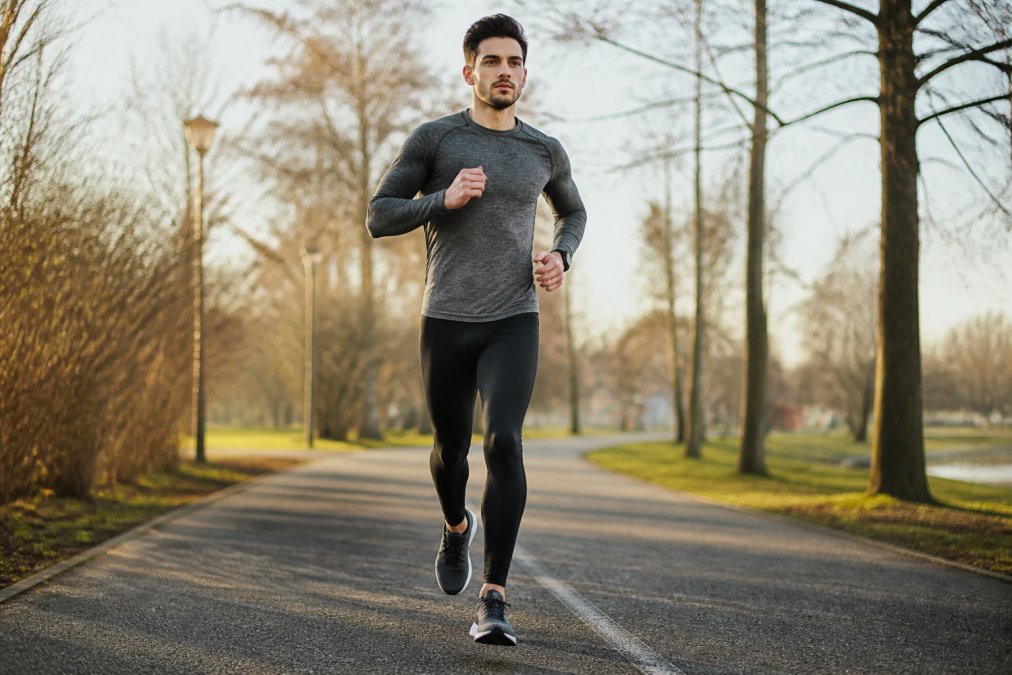
- Long runs and marathon training
- Repeated sprint or hill sessions
- Recovery days when legs feel heavy
- Cold-weather running, where compression doubles as a thermal layer
How Long to Wear Compression Gear for Recovery
The honest answer is that duration depends on what you are trying to achieve, and the three common goals call for different windows. Most practitioners find the following patterns work well, but the right number for you sits at the intersection of pressure level, activity type and how your legs respond.
- During training: wear for the duration of the session. The aim here is reducing muscle oscillation and supporting proprioception, not recovery, so the garment comes off when you stop.
- Post-session recovery: one to three hours is the typical window. Beyond that, the marginal benefit flattens while the risk of skin irritation and discomfort rises.
- Long-haul travel or prolonged sitting: wear for the duration of the journey, then remove and move around normally. The goal is preventing blood pooling when your calf muscle pump is inactive.
- Everyday circulation support: several hours at a time, ideally with breaks. If you sit for most of the working day, a morning-to-lunch and afternoon-to-evening pattern is easier on the skin than one continuous block.
Why Duration Interacts With Pressure Level
A garment rated at 15-20 mmHg behaves very differently from one rated at 30-40 mmHg. The higher the rating, the shorter the comfortable wear window for most people, and the more important it is to follow clinical advice rather than guess. Athletic-grade compression, which typically sits at the lower end of that range, is designed for movement and short recovery blocks.
Signs It Is Time to Take It Off
Stop and remove the garment if you notice any of the following:
- Numbness, pins and needles, or a cold feeling in the toes or fingers
- Deep marks or indentations that last more than an hour after removal
- Skin that is red, itchy, broken or blistered at a seam or cuff
- Pain that is new, one-sided, or worsening rather than easing
| Situation | Typical Wear Time | Purpose |
|---|---|---|
| During training | Duration of session | Reduce muscle oscillation, support proprioception |
| Post-run recovery | 1-3 hours | Manage swelling, support venous return |
| Long-haul travel | Duration of journey | Reduce blood pooling risk |
| Everyday circulation | Several hours, with breaks | Support vascular health when sitting or standing |
The Sizing Variable Most Guides Ignore
Duration advice is meaningless if the fit is wrong. A garment that is too loose slides and loses its gradient within minutes; one that is too tight restricts flow from the outset. Measure your calf and thigh at their widest points and match to the brand's chart rather than your usual trouser size. If you sit between sizes, size up.
Best Practices for Wearing Compression Clothing
Getting compression right comes down to three things: correct sizing, the right material, and knowing when to leave it in the drawer. Most disappointing results trace back to one of those, not to the concept itself.
Sizing, Fit, and Material Choices
Measure your calf and thigh at their widest points, then match to the brand's chart rather than your usual trouser size. Compression should feel firm and even, never restrictive at the seams. If you sit between sizes, size up. A garment that is too small will not deliver a proper gradient.
When Not to Wear Compression Gear
Compression is not appropriate for everyone, and this is the part most guides skip. If you have peripheral arterial disease, advanced diabetes with circulatory complications, or a diagnosed clotting disorder, speak to a clinician before wearing compression. The same applies if you have broken or irritated skin on the limb.
Compression Gear for DVT Prevention and Everyday Circulation
Deep vein thrombosis (DVT) is a blood clot that forms in a deep vein, most often in the leg. Prolonged immobility is a major risk factor because the calf muscle pump, which normally pushes blood back toward the heart, stops working. When blood sits still, clots can form. Graduated compression helps by giving the veins external support and maintaining venous return when your muscles are not contracting, which is why stockings are used in clinical settings and recommended for long journeys.
Who Is Actually at Risk
DVT risk is not evenly distributed. The people most likely to benefit from preventive compression are those with one or more of the following:
- Recent surgery, particularly orthopaedic procedures on the hip or knee
- A previous DVT or a known clotting disorder
- Long periods of immobility, including flights over four hours or bed rest
- Active cancer or cancer treatment
- Pregnancy and the weeks after birth
- Combined hormonal contraception or hormone replacement therapy in combination with other risk factors
- Increasing age, and a family history of venous thromboembolism
Prevention, Not Treatment
This distinction matters more than any product claim. Compression is a preventive tool for people with known risk factors. It is not a treatment for a suspected clot. If you have symptoms that could be DVT, the correct action is urgent medical assessment, not a tighter pair of socks.
Everyday Circulation for Sedentary Workers
For people who sit or stand for most of the day, the benefit is subtler but real. Blood pools in the lower legs when the calf muscle pump is idle, which is why ankles swell and legs feel heavy by late afternoon. Compression socks or sleeves reduce that pooling and support the return of blood toward the heart.
When Compression Is Not Appropriate
This is the part most guides skip. Compression is not suitable for everyone, and wearing it in the wrong circumstances can cause harm. Speak to a clinician before wearing compression if you have:
- Peripheral arterial disease or any condition affecting arterial blood supply
- Advanced diabetes with circulatory complications
- A diagnosed clotting disorder or a current suspected clot
- Broken, irritated or infected skin on the limb
- Significant nerve damage or loss of sensation in the leg or foot
Frequently Asked Questions
Does compression gear actually help?
Research points to modest but real benefits, mainly for recovery. Compression applies a pressure gradient that supports venous return, which can reduce swelling, ease delayed onset muscle soreness (DOMS), and improve how you feel the day after hard training. The effects are smaller for performance during exercise itself. Fit matters more than brand: gear that is too loose does nothing, and gear that is too tight can restrict blood flow rather than help it.
How long should you wear compression gear after a workout?
Most people wear compression for one to four hours after training, or overnight for a long run or match. If you are using it for recovery, 10 to 20 mmHg is a common range. For DVT prevention on long journeys, follow the instructions supplied with the garment. Take it off if you notice numbness, tingling, or skin changes, and speak to a GP if symptoms persist.
What are the downsides of wearing compression shirts?
Poorly fitted compression shirts can cause chafing, restrict breathing, and trap heat during long sessions. Some people find them uncomfortable enough to distract from training. If you have a circulatory condition, diabetes, or nerve damage, check with a GP before wearing compression. Never sleep in high-compression garments unless a clinician has told you to.
Does compression clothing improve blood circulation during exercise?
It can support venous return and reduce blood pooling in the lower legs, which matters most when you are standing or sitting for long periods. During intense exercise, the muscle pump already does much of this work, so the added benefit is smaller. The bigger gains tend to show up after exercise, when compression helps clear metabolic waste and limit swelling.