 Ultimate guide
Are Your Workout Leggings Actually High Quality?
Last Updated: November 17, 2026
Quick Summary
High quality leggings are soft, stretchy and squat-proof, and their fabric stays opaque when you move. Check for a waistband that springs back, seams that hold when pulled, and a fabric weight around 250-300 GSM. Run the squat and seam tests in bright light before you buy.
- Do a deep squat, lunge and forward bend in bright light to check for sheerness.
- Pull the waistband and release it; it should spring back without rolling over.
- Elastane around 20-25% gives a firmer, more supportive feel for high-stretch styles.
- Mid-weight fabric near 250-300 GSM balances breathability and opacity for most training.
- Turn leggings inside out and check the crotch gusset, inner thigh and waistband join.
Table of Contents
- Why Most Leggings Look Alike Until They Fail
- The Squat-Proof Leggings Test You Can Run at Home
- Waistband, Fit and Comfort Checks
- Best Fabric for Gym Leggings and Why It Matters
- Seams, Stretch and Compression: What to Look For
- Matching Leggings to Padel, Running, CrossFit and Yoga
- How to Care for Activewear So It Lasts
- Book Your Fitting and Try REVIVE Gear for Yourself
- Frequently Asked Questions
Why Most Leggings Look Alike Until They Fail
Most workout leggings look identical on the shop rail. Black, high-waisted, a logo on the hip, and a price that ranges from modest to quite steep, yet only high quality leggings reveal their real worth after months of training. The difference only shows up after a few weeks of squats, sweat and washing.
Verywell Fit's 2026 review of workout leggings, which tested 98 pairs is one of the more thorough recent evaluations of this category, and its authors found that the best pairs were soft, stretchy and squat-proof. Those three qualities are a useful starting checklist, but they only tell you what the fabric feels like on day one.
Cheap leggings often fail in predictable ways. The fabric thins at the thighs, the waistband rolls over, and the seams start to pull. A laboratory evaluation of leggings chosen by athleisure consumers found that some pairs held up well across 20 laundering cycles, which shows that durability varies widely between products, even when they look similar An Evaluation of Leggings Selected by Athleisure Consumers. The aim of this guide is to help you spot those differences before you buy.
The Squat-Proof Leggings Test You Can Run at Home
Squat-proof is one of the most repeated claims in this category, and it is also one of the easiest to check yourself. Stand in bright, natural light, ideally in front of a mirror or with a friend looking on. Put the leggings on and perform a deep squat, then a lunge, then bend forward at the hips as if picking something up off the floor.
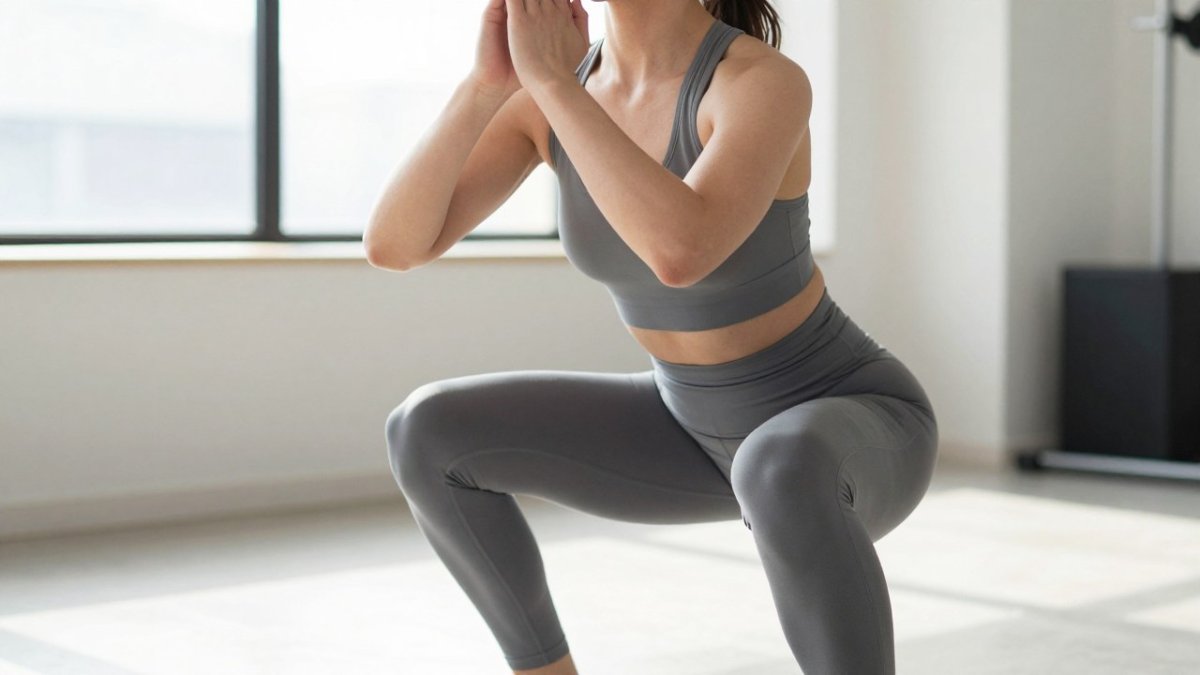
Look for any sign that the fabric is becoming sheer, especially across the seat and the front of the thighs. If you can see the colour of your skin or the outline of your underwear, the opacity is not high enough for demanding training. Repeat the test with the fabric stretched further, such as in a wide stance squat, because that is where thin knit fabrics usually give way.
A pair can pass when standing still and fail the moment you move, so the movement test matters more than the static one. A common mistake is testing only in a dim changing room, where almost any black fabric looks opaque.
Waistband, Fit and Comfort Checks
A waistband that stays put is one of the clearest signs of good construction. Pull the waistband down slightly, then release it. A well-made band should spring back without leaving marks on your skin and without rolling over at the top. Next, do a few squats and a short run on the spot. If the waistband slides down or digs in, the elastic is probably not tensioned correctly for your body shape.
Fit is equally important, and it varies by body type. A mid-to-high rise can sit better than a low rise for some body types, because it holds the band in place without pressing into the stomach. Check the inseam and rise against the size chart rather than relying on the letter size alone. Leggings that feel fine standing can feel restrictive when you bend or sit, so try the same movements you do in your training session.
Comfort also depends on the seams and the flatness of the waistband. Thick, raised seams can cause chafing during long sessions, and a band that is too tight can cause discomfort during deep stretches. It is worth wearing a pair through a full workout before you decide on the fit.
Best Fabric for Gym Leggings and Why It Matters
Fabric composition drives how leggings feel, how long they last and how they handle sweat, but the label only tells part of the story.
Start with the stretch fibre. Elastane (also sold as spandex) is what gives leggings their recovery, the ability to return to shape after being stretched.
Polyester and nylon are the two main synthetics, and they behave differently:
- Polyester tends to hold colour and shape well, dries quickly and is usually the cheaper option. It suits sweaty sessions and high-intensity work.
- Nylon is typically softer, smoother and more elastic, which many people prefer for yoga and low-impact training. It usually costs more.
Blends matter because each fibre compensates for the weaknesses of the other. A polyester-nylon-elastane blend can combine durability, softness and recovery.
Fabric weight is the most under-used quality signal. Lightweight knits (roughly 200-250 GSM) feel airy and cool but are more prone to sheerness and thinning.
Knit structure matters too. A tighter, denser knit with more stitches per inch resists see-through stretching better than a loose knit.
Finishing treatments are worth checking on the label. Moisture-wicking finishes help move sweat away from the skin, which reduces the damp, clingy feel during long sessions. Anti-pilling finishes reduce the small fibre balls that form on the inner thigh after repeated washing.
Pricing depends on the fabric, the cut and the quantity you order, so check current prices on our website rather than relying on a figure from a review.
The article breaks down the main fabric factors that affect how leggings perform and last.
| Factor | Typical range or option | What it means |
|---|---|---|
| Elastane (spandex) | Around 20-25% for high-stretch styles | Firmer, more supportive feel |
| Elastane (spandex) | Under about 10% | Often sags at knees and seat over time |
| Fabric weight (GSM) | Roughly 200-250 GSM | Airy and cool, more prone to sheerness |
| Fabric weight (GSM) | Around 250-300 GSM | Balances breathability and opacity; most versatile |
| Fabric weight (GSM) | 300 GSM and above | Dense and supportive, but warmer |
| Polyester | Common synthetic | Holds colour and shape, dries quickly, usually cheaper |
| Nylon | Common synthetic | Softer and smoother, usually costs more |
Seams, Stretch and Compression: What to Look For
Seams are where many leggings fail first, and you can inspect them before you buy. Flatlock seams lie flat against the skin and are less likely to chafe during repeated movement, which is why they are common in technical activewear. Overlock (serged) seams are bulkier and can rub on the inner thigh during long sessions.
Run a simple seam inspection:
- Turn the leggings inside out and look at the crotch gusset, the inner thigh and the waistband join, the three highest-stress areas.
- Check the stitching for loose threads, puckering, skipped stitches or uneven spacing. Any of these are early warning signs.
- Gently pull the seam across its width. A well-made seam should hold without the stitches spreading or the fabric distorting.
- Look for a gusset (a diamond or oval panel at the crotch). A gusset reduces seam bulk in the highest-friction area and is a mark of considered construction.
Stretch should feel smooth and even, with no sudden tight spots. To test recovery at home, stretch a section of fabric across the thigh, hold for a few seconds, release, and check whether it springs back to its original shape. A pair that stays stretched or shows a faint white stress mark at the fibres is likely to sag with wear.
Compression is a separate quality from stretch, and it is engineered rather than accidental. Compression leggings generally use a combination of higher elastane content, denser knit structure and sometimes zoned panels to apply firmer pressure to the muscles. That is different from simply buying a smaller size, which creates tight spots rather than even compression.
Watch out: bonded and glued seams can look immaculate in the shop but may fail after repeated washing, so check the care label and avoid high heat.
Matching Leggings to Padel, Running, CrossFit and Yoga
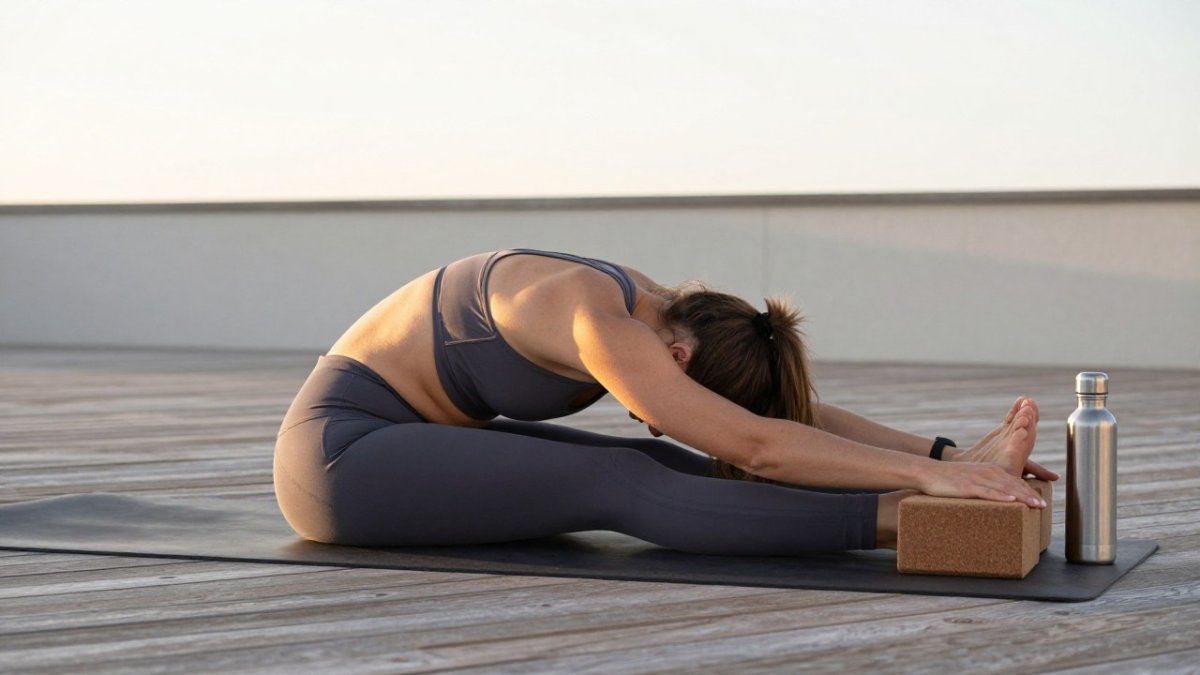
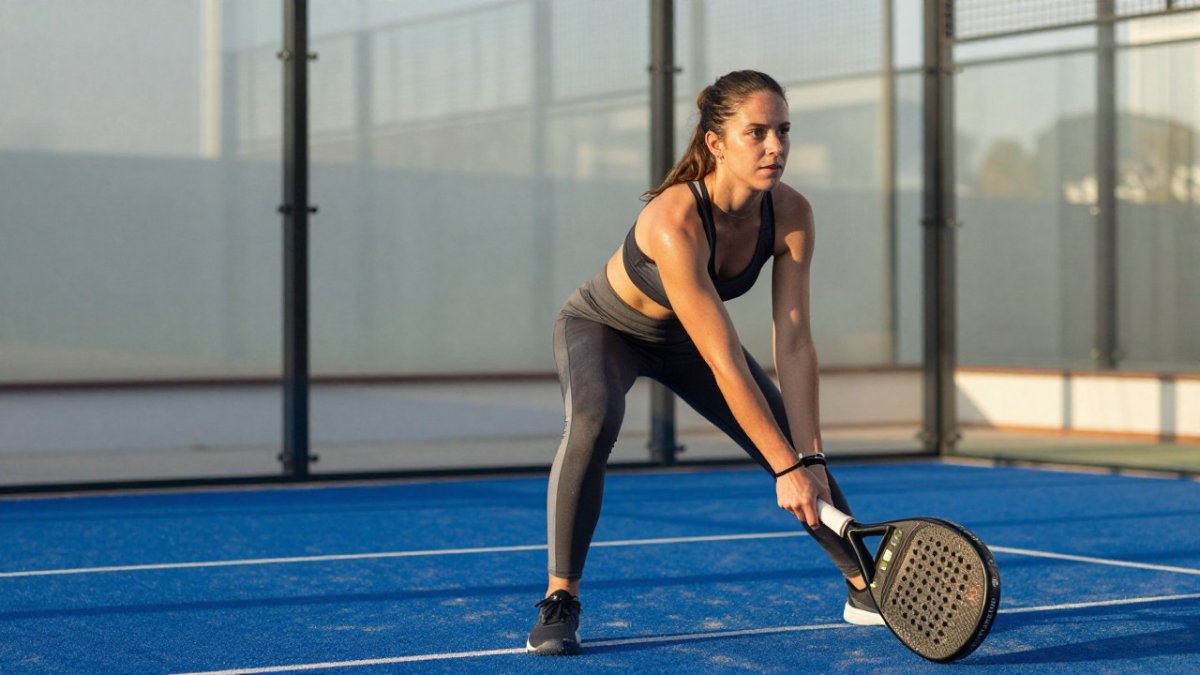
Different sports ask different things of a pair of leggings, so one design rarely suits every activity. Padel calls for quick lateral movement and frequent lunges, so opacity and a secure waistband matter most. Running benefits from a breathable fabric with flatlock seams and enough stretch to avoid restriction in the hip. CrossFit combines heavy lifts, jumps and floor work, which puts a premium on durability and seam strength. Yoga needs softness, four-way stretch and a waistband that stays in place in inverted and floor poses.
If you train across several of these, choose the pair that handles your most demanding session best, then check that it works for the others. A legging that performs well in your hardest workout will usually cope with the easier ones.
How to Care for Activewear So It Lasts
Good leggings can still fail early if they are washed badly. Wash them inside out on a cool or gentle cycle, and avoid fabric softener, which can coat the fibres and reduce moisture-wicking performance. Avoid high heat in the dryer, because it weakens elastane and can cause shape loss. Air drying is the safest option for most technical fabrics.
Rotate your pairs where possible, so each one has time to recover between sessions. Our guide to caring for technical running apparel walks through washing, drying and storage step by step. Stored leggings that are folded tightly for long periods can develop permanent creases, so hang them or fold them loosely. A little care at the start is usually the difference between a pair that lasts a season and one that lasts years.
Book Your Fitting and Try REVIVE Gear for Yourself
Reading about fabric and fit only gets you so far. The fastest way to judge quality is to try a pair on, perform the squat test and wear them through a full session. Browse the full-length REVIVE leggings range and see how the fabric, waistband and seams feel for your own training. If you want a deeper walkthrough of fit, our guide to choosing the right yoga legging inseam covers length and rise in detail, and our comparison of polyester and nylon for workout clothes explains the fabric choices in more depth.
REVIVE Activewear and Apparel designs its range for padel, gym, running, CrossFit and yoga, so you can test one versatile option across several sessions before you commit. Get started by subscribing to our email list for updates on new arrivals, and try the gear for yourself.
Frequently Asked Questions
How can you tell if leggings are good quality?
Check four things: fabric opacity when stretched, waistband recovery after you pull it down and let go, seam construction at high-stress points like the crotch and inner thigh, and how the fabric feels after a few wears. Quality leggings keep their colour and shape, do not go see-through when you squat, and return to their original fit. Cheap leggings often feel thin, stretch out at the knee and show stitching that puckers or lifts. Run these checks in store or on arrival before you commit to a size or a bulk order.
What fabric is best for high-performance workout leggings?
Most high-performance leggings use a blend of nylon or polyamide with elastane, which gives four-way stretch, recovery and a soft handle. Look for moisture-wicking and breathable properties if you train hard or play Padel, and check that the fabric stays opaque when stretched. Higher elastane content adds compression but can reduce breathability, so match the blend to your activity. Ask the brand for the fabric composition before you buy.
How do I check if my gym leggings are squat-proof?
Stand in front of a bright, plain wall or use a mirror and a phone camera. Do a full bodyweight squat, then a lunge, and look at the back and inner thighs. If you can see skin or the outline of your underwear, the fabric is not opaque enough. Repeat the test with the leggings stretched by hand in the same spots. Use the test when you compare pairs before you buy.
Why do some leggings pill after a few washes?
Pilling happens when fibres break and tangle into small balls on the surface, usually from friction between the fabric and itself or other surfaces. Lower-quality yarns and loose knits pill faster, as do fabrics washed hot or tumble-dried. Turning leggings inside out, washing on a gentle cycle at a low temperature and avoiding fabric softener help slow pilling. Some pilling is normal, but heavy pilling after a few washes suggests weak construction.