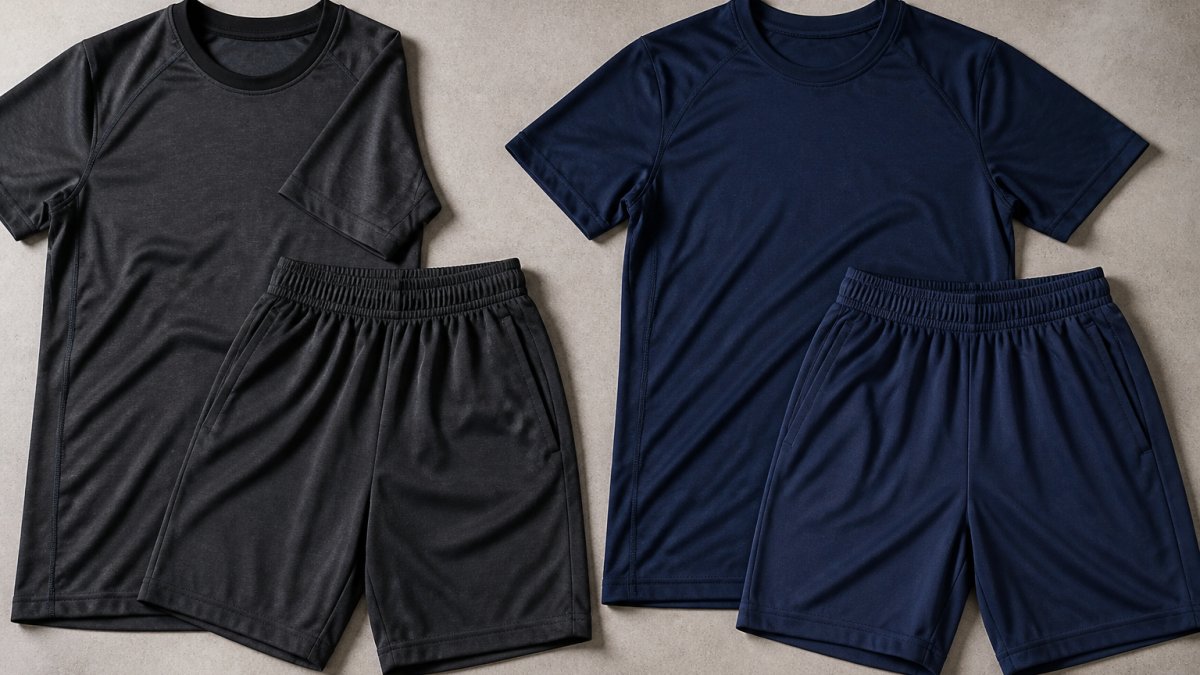
 comparison
Polyester vs Nylon for Workout Clothes: 2026 Guide
Table of Contents
- Polyester vs Nylon: Quick Comparison Table
- Moisture-Wicking and Sweat Management: Nylon or Polyester for Sweating
- Durability, Stretch, and Performance: Which Lasts Longer
- Nylon vs Polyester Leggings: Fit, Comfort, and Softness
- Best Fabric for Gym Wear by Workout Type
- How to Wash Polyester Sportswear and Care for Nylon Activewear
- Odour Retention, Skin Sensitivity, and Environmental Impact
- Which Should You Choose?
- Frequently Asked Questions
Last Updated: October 4, 2026
Polyester vs Nylon: Quick Comparison Table
Choosing between polyester and nylon for workout clothes depends on your training style and priorities. Both synthetic fibres perform differently under sweat, heat, and repeated washing.
| Factor | Polyester | Nylon |
|---|---|---|
| Moisture-wicking | Excellent; dries fastest | Good; absorbs slightly more moisture |
| Durability | Very high; resists wear and tear | High; stronger fibres but less chlorine-resistant |
| Softness | Slightly crisp initially | Naturally softer, silkier feel |
| Stretch (with elastane) | Good recovery and hold | Superior stretch and flexibility |
| Odour retention | Lower; dries quickly | Can retain odour if left damp |
| Best for | High-intensity, sweaty workouts | Yoga, pilates, everyday gym wear |
| Care | Easy to wash; low shrinkage | Requires gentle handling; can degrade in chlorine |
The short answer: polyester excels for intense, sweaty training where speed matters. Nylon suits lower-impact workouts where comfort and feel take priority. Most high-performance activewear blends both fibres with elastane for optimal stretch and recovery.
Moisture-Wicking and Sweat Management: Nylon or Polyester for Sweating
Polyester wins for sweat management: it wicks moisture faster and dries significantly quicker than nylon, which matters during intense cardio, HIIT, or sustained perspiration.
Nylon absorbs more moisture before releasing it, so drying takes longer, uncomfortable for runners, CrossFit athletes, or anyone doing high-intensity work in warm conditions.
A polyester top dries completely by the next day; nylon may retain dampness in seams and underarms. Polyester's faster drying also prevents bacterial growth that causes odour.
For Padel tennis, polyester's quick-dry advantage keeps you comfortable between intense bursts.
Durability, Stretch, and Performance: Which Lasts Longer
Polyester resists pilling, fading, and degradation better than nylon, which is why it dominates high-intensity sportswear.
Though individual nylon fibres are stronger, nylon fabric is more prone to snagging and pilling. Nylon's superior elasticity recovers better from stretching, making it ideal for deep squats or dynamic yoga poses.
Nylon-elastane blends offer superior stretch and consistent recovery; polyester-elastane blends are stiffer initially but loosen with wear.
Chlorine damages nylon significantly more than polyester, which is why competitive swimwear uses polyester almost exclusively.
Heavy lifting and rope work favour polyester; yoga and Pilates favour nylon's superior stretch.
Nylon vs Polyester Leggings: Fit, Comfort, and Softness
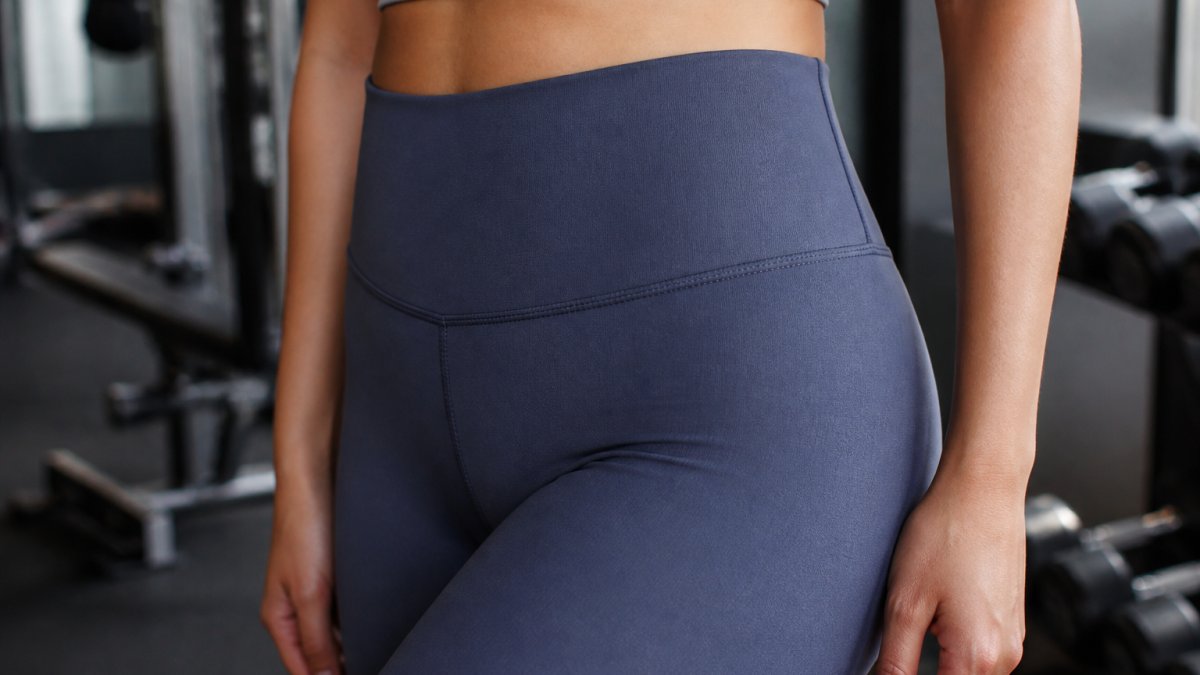
Nylon leggings feel softer and more luxurious from the first wear; for comfort-focused training, nylon wins on feel.
Nylon leggings excel for lower-intensity work, yoga, Pilates, casual gym sessions, where heavy sweat isn't a factor.
Polyester leggings start slightly stiffer and crisper but soften noticeably after 2-3 washes. Once broken in, they feel comfortable but never quite as silky as nylon. The trade-off is that polyester maintains its shape and opacity better through repeated wear and washing. Nylon leggings can become slightly see-through in high-stress areas (inner thighs, seat) after extended use.
For fit, both work well when blended with adequate elastane (typically 15-20%). The real difference is in how they respond to body heat and moisture. Polyester leggings stay crisp and structured even when wet with sweat. Nylon becomes slightly clingy when saturated, which some people prefer and others find uncomfortable.
At REVIVE Activewear and Apparel, we've found that customers choosing leggings for mixed-use training, Padel one day, yoga the next, often prefer a polyester-dominant blend (70-80% polyester, 15-20% nylon, 5% elastane) for versatility. It gives you the durability and moisture management of polyester with just enough nylon softness to feel premium against your skin.
Best Fabric for Gym Wear by Workout Type
The best fabric choice depends entirely on what you're doing in the gym. Different training styles demand different fibre properties.
High-intensity cardio and HIIT: Polyester is non-negotiable here. You need maximum moisture-wicking and the fastest possible drying. Nylon's slower drying will leave you feeling clammy during back-to-back sets. A 100% polyester or polyester-dominant blend (85%+ polyester) keeps you dry and comfortable.
Strength training and weightlifting: Polyester again, but for durability rather than moisture. Heavy lifting creates friction against equipment and your own body. Polyester resists snagging and pilling. If you're doing rope work, box jumps, or anything involving rough surfaces, polyester is more forgiving.
Yoga and Pilates: Nylon takes the win here. You need maximum stretch and that silky comfort against your skin. Movement is controlled and deliberate, so moisture management is less critical.
Running: Polyester or a balanced blend. Runners need reliable moisture-wicking for sustained effort, but running doesn't create the extreme friction of weightlifting. A 60-70% polyester, 30-40% nylon blend offers good sweat management without sacrificing comfort on longer runs.
Padel tennis and court sports: A balanced blend works best. Padel involves quick bursts of intense movement followed by recovery periods. You need polyester's quick-dry for the intense moments but nylon's comfort and stretch for the extended sessions.
Swimming and water-based training: Polyester exclusively. Nylon degrades rapidly in chlorine. If you're doing any water work, avoid nylon blends entirely.
How to Wash Polyester Sportswear and Care for Nylon Activewear
Washing technique affects how long your activewear lasts, regardless of fibre type. Both polyester and nylon require care, but their vulnerabilities differ.
Polyester care: Polyester is forgiving. It withstands hot water better than nylon and doesn't degrade easily. However, high heat can set sweat stains permanently, so wash in cool or warm water (30-40°C) with a sports-specific detergent. Turn garments inside out to reduce pilling on the surface. Avoid fabric softener, it coats the fibres and reduces moisture-wicking performance. Dry on low heat or air dry.
Nylon care: Nylon requires gentler handling. Wash in cool water (under 30°C) to prevent fibre degradation. Nylon can yellow or weaken in high heat. Use a gentle detergent and avoid bleach. Never use fabric softener on nylon activewear, it's even more damaging than on polyester because it interferes with nylon's natural stretch and elasticity. Air dry exclusively.
Both fabrics benefit from washing inside out and in a mesh bag if your washing machine is aggressive. This reduces friction against other garments and equipment in the drum, which is where most pilling and snagging occurs.
For odour control: wash activewear immediately after training rather than leaving it in a gym bag overnight. Sweat sitting in fabric for hours creates the bacterial growth that causes persistent smell. Polyester's faster drying makes it more forgiving if you do leave it damp, but nylon will retain odour more stubbornly.
Odour Retention, Skin Sensitivity, and Environmental Impact
Odour retention is a practical concern that separates polyester and nylon clearly. Polyester's hydrophobic nature (it repels moisture) means sweat dries quickly and bacteria don't colonise the fabric as easily. Nylon absorbs moisture more readily, creating an environment where odour-causing bacteria thrive if the fabric stays damp.
This doesn't mean nylon activewear always smells. It means nylon requires faster drying and more careful storage. Don't leave nylon gym wear in a damp gym bag for hours. Hang it to dry immediately after training.
For skin sensitivity, both fibres are generally well-tolerated. However, some people react to the chemicals used in dyeing and finishing synthetic fabrics. If you have sensitive skin, look for activewear that's been through additional rinses or finished with hypoallergenic treatments. Neither polyester nor nylon is inherently irritating, the finish and dyes matter more than the fibre itself.
Environmental impact is worth considering. Both polyester and nylon are petroleum-based synthetic fibres. When washed, both shed microplastics that enter waterways. Polyester sheds slightly more microplastics per wash than nylon, but both contribute to the problem. Neither is a sustainable choice from an environmental standpoint.
The durability argument does favour polyester environmentally: because polyester lasts longer and resists degradation better, you replace it less frequently, which reduces overall consumption and waste.
Which Should You Choose?
The choice between polyester vs nylon for workout clothes isn't about one being objectively better, it's about matching the fabric to your training style and priorities.
Choose polyester if:
- You do high-intensity training with heavy sweat output
- You train in warm climates or humid conditions
- You need activewear that lasts through aggressive, friction-heavy workouts
- You want low-maintenance fabrics that dry quickly and resist odour
- You prioritise performance over premium feel
Choose nylon if:
- You do lower-impact training like yoga, Pilates, or casual gym sessions
- You prioritise comfort and softness against your skin
- You value superior stretch and freedom of movement
- You're willing to manage moisture and drying carefully
- You don't mind replacing pieces more frequently than polyester
Choose a blend if:
- You do mixed training across different intensities and styles
- You want the benefits of both fibres without committing to one
- You train in variable conditions (sometimes intense, sometimes casual)
- You want a fabric that balances performance with comfort
At REVIVE Activewear and Apparel, we design our activewear with these distinctions in mind. Our Padel-specific pieces are designed for quick-dry performance and durability. For customers training across multiple disciplines, we offer balanced blends that perform reliably whether you're doing HIIT one session and yoga the next.
The real answer is this: read the care label, check the fibre composition, and match it to how you actually train. A piece that's perfect for one person's routine might be wrong for another's. Your training style, sweat rate, climate, and care habits all influence which fabric serves you best.
Choosing the right activewear fabric makes the difference between gear that supports your training and gear that holds you back. Whether you're training for performance, comfort, or a mix of both, understanding polyester vs nylon for workout clothes helps you make informed decisions that match your needs. At REVIVE Activewear and Apparel, we're here to help you find pieces designed for your specific training style, from Padel tech innovations to versatile gym essentials. Browse our full activewear range and discover how the right fabric choice transforms your training experience. Need guidance on fit or fabric selection for your training routine?
Frequently Asked Questions
Is nylon or polyester better for sweating during workouts?
Polyester wicks sweat faster and dries more quickly than nylon, making it ideal for high-intensity training where moisture management is critical. Nylon absorbs slightly more moisture and takes longer to dry, but offers superior softness against skin. For activities like HIIT, running, or CrossFit, polyester-based blends excel. For lower-intensity work or yoga where comfort matters most, nylon may feel better.
Which fabric is better for leggings, nylon or polyester?
Polyester leggings offer better moisture-wicking and durability for frequent gym use, while nylon leggings provide a softer feel and superior stretch recovery. Many high-performance leggings blend both fibres: polyester for sweat management and nylon for comfort and softness. Your choice depends on whether you prioritise quick drying or luxurious feel. Check the fibre blend on the label, pure polyester or pure nylon each have trade-offs.
What's the best fabric for gym wear overall?
A blend of polyester and nylon with elastane delivers the best performance for most gym workouts. Polyester handles moisture-wicking and durability, nylon adds softness and strength, and elastane provides stretch and recovery. The specific ratio matters: higher polyester content suits sweaty, intense training; higher nylon content prioritises comfort. Look for blends listed as polyester-nylon-elastane on the care label to get benefits of both fibres.
How do I care for polyester sportswear to keep it performing?
Wash polyester activewear in cool water (30°C or below) inside out to protect the fabric surface. Use mild detergent and avoid fabric softener, which clogs the fibres and reduces moisture-wicking. Hang dry rather than tumble drying to preserve elasticity. Avoid high heat, which can damage synthetic fibres. Regular, gentle care extends durability significantly.
Does polyester activewear retain odour more than nylon?
Nylon has similar challenges. Washing promptly after workouts and air-drying fully are essential for both fabrics.