 blog
blog
Is Expensive Activewear Worth It in 2026?
Table of Contents
- What Makes Activewear Expensive?
- Durability and Fabric Longevity: Does Premium Quality Last?
- Technical Performance: Moisture-Wicking, Compression, and Breathability
- Cost-Per-Wear Analysis: The True Measure of Value
- High Quality Workout Gear for Women: Fit, Sizing, and Inclusivity
- How to Care for Technical Sportswear and Extend Garment Longevity
- Padel Tennis Clothing Requirements: Investing in Sport-Specific Gear
- Sustainability, Brand Prestige, and the Premium Price Tag
- Frequently Asked Questions
Last Updated: September 3, 2026
What Makes Activewear Expensive?
The price tag on premium activewear often feels disconnected from the fabric itself. A pair of leggings can cost three times more than a basic alternative, yet both use synthetic blends. The difference lies in what you're actually paying for beyond the material.
Premium activewear brands invest heavily in research and development. Technical fabrics undergo durability testing, moisture-wicking performance validation, and seam integrity analysis before production. Four-way stretch construction requires precision engineering, and anti-microbial treatments add manufacturing complexity. When a brand publishes lab results showing their fabric retains elasticity after 50 wash cycles, that testing cost gets reflected in the final price.
Design and fit consistency represent another significant expense. Brands offering true size inclusivity need multiple pattern variations. Ergonomic design for specific activities requires separate engineering. REVIVE Activewear and Apparel, for instance, focuses on Padel-specific tech designs, meaning the brand invests in understanding court movements, impact zones, and material requirements unique to that sport.
Brand prestige carries real cost. Established activewear companies maintain quality control systems, customer service infrastructure, and fast delivery networks. These operational expenses are built into pricing. Supply chain transparency and ethical manufacturing also drive costs upward, brands committed to sustainable sourcing and fair labour practices pay more for materials and production oversight.
Durability and Fabric Longevity: Does Premium Quality Last?
Quality activewear should survive months of regular use without significant degradation. The real question is whether premium pieces last long enough to justify their cost through extended wear.
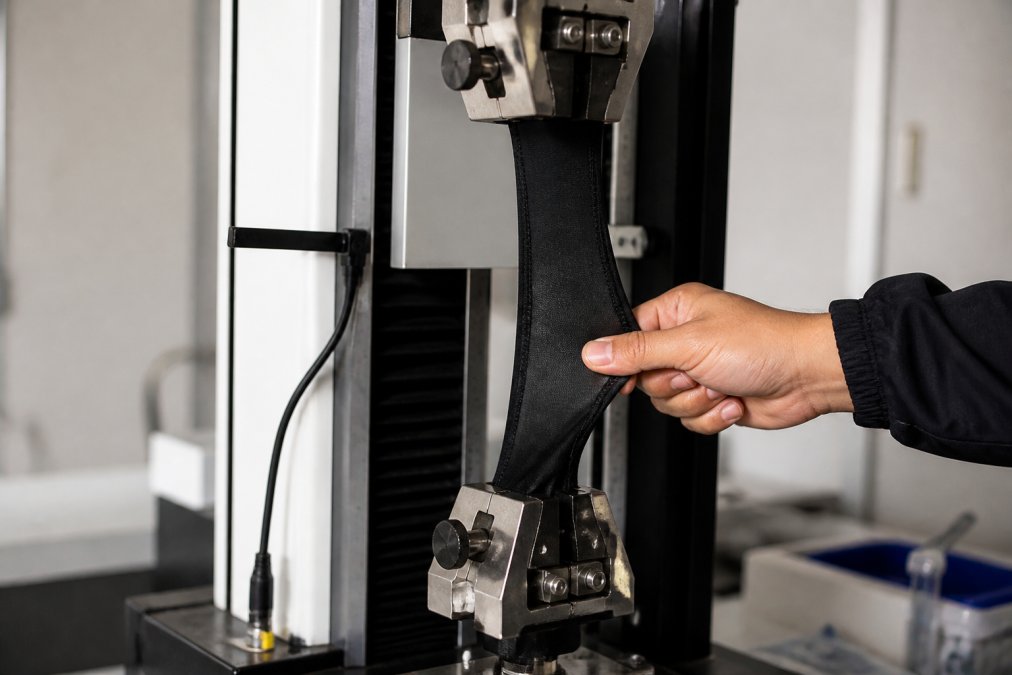
Premium synthetic blends perform measurably better under stress. Pilling occurs less frequently on higher-quality materials. Seam integrity matters tremendously, cheap activewear uses standard thread that degrades after 20-30 washes, while premium brands use polyester or nylon thread designed to withstand repeated stretching without fraying.
Elasticity retention defines garment longevity. Expensive activewear maintains its compression and fit through 50+ wash cycles (peer-reviewed research). Budget alternatives show noticeable stretching or sagging by wash 15-20. Fabric recovery, the ability to return to original shape after stretching, separates investment pieces from disposable ones. Premium technical fabrics snap back immediately, while lower-quality blends gradually lose this property.
Washing habits matter, but premium fabrics forgive poor care better than budget alternatives. Cold washing and air drying remain ideal for any activewear, though quality pieces tolerate occasional lapses better.
Technical Performance: Moisture-Wicking, Compression, and Breathability
Moisture-wicking separates functional activewear from regular clothing. Premium technical fabrics achieve this through engineered fibre structures that create pathways for moisture movement. Budget activewear uses basic synthetic materials that absorb sweat rather than wick it.
Compression serves a specific function beyond aesthetics. It supports muscles during movement, reduces vibration, and improves blood flow. True compression requires precise fabric tension and consistent construction. Premium activewear delivers measurable compression you feel immediately, while budget pieces often claim compression without delivering meaningful pressure.
Breathability requires balancing moisture-wicking with temperature regulation. Premium activewear uses layered construction with moisture-wicking inner layers, breathable mesh panels, and outer fabrics that allow air circulation. Four-way stretch fabric enables full range of motion required for high-impact activities, stretching horizontally, vertically, and diagonally. Budget activewear often offers only two-way stretch, limiting movement range (peer-reviewed research).
Anti-microbial treatments prevent odour-causing bacteria from thriving in sweat-soaked fabric. Premium brands incorporate these treatments during manufacturing, ensuring they don't wash out after a few cycles.
Cost-Per-Wear Analysis: The True Measure of Value
The real test of whether expensive activewear is worth it comes down to cost-per-wear. A £120 pair of leggings worn 200 times over two years costs 60p per wear. A £40 pair worn 50 times before degrading costs 80p per wear. The expensive option wins on value.
Calculate your own cost-per-wear by estimating realistic usage and how long pieces remain functional. A Padel-specific top worn twice weekly for two years represents 200+ wears. Budget activewear worn the same frequency typically needs replacement within 12-14 months, meaning 100-110 wears before failure.
This calculation reveals why expensive activewear's value depends entirely on your usage pattern. Occasional gym-goers who exercise once weekly will never recoup premium pricing. Regular athletes who train 4-6 times weekly will break even and come out ahead financially within 12-18 months. Over three years, buying budget pieces means replacing your entire wardrobe multiple times, while premium pieces last longer, reducing total expenditure.
High Quality Workout Gear for Women: Fit, Sizing, and Inclusivity
Fit consistency separates premium activewear from budget alternatives. High quality workout gear for women accounts for different body shapes, proportions, and movement patterns through multiple pattern variations across size ranges.
Sizing inclusivity matters for both comfort and performance. A top that fits your shoulders but gaps at the waist won't provide proper support. Premium brands offer detailed fit guides showing how pieces fit different body types. REVIVE Activewear and Apparel supports scalable orders from one-off purchases to bulk quantities, maintaining consistent sizing across individual and team orders.
Compression placement varies by body type. Premium brands engineer different compression zones for different shapes, offering targeted compression through the midsection while maintaining looser fit through the chest. Shoulder and arm fit often determines whether activewear works across multiple activities, and premium brands accommodate different shoulder widths and arm lengths without excess fabric or restrictive fit.
Squat-proof construction ensures fabric doesn't become transparent during deep squats. Premium fabrics with proper weight and opacity maintain integrity through full range of motion. Neckline and armhole engineering affects both comfort and performance, premium pieces use necklines that don't gape or slip during movement and armholes positioned to avoid shoulder impingement.
How to Care for Technical Sportswear and Extend Garment Longevity
Washing technique directly impacts how long technical sportswear remains functional. Cold water washing prevents damage to synthetic fibres and preserves elastane elasticity. Machine washing should use a gentle cycle to avoid unnecessary stress on seams and fibres.
Sports-specific detergents are formulated to clean without degrading moisture-wicking properties or anti-microbial treatments. Fabric softener should never be used on technical sportswear as it coats fibres and reduces breathability. Air drying extends garment life dramatically, tumble dryers generate heat that damages synthetic fibres and causes shrinkage.
Washing after every single wear isn't necessary and accelerates degradation. Spot-cleaning visible stains and airing out pieces between wears extends the time between full washes. Storage in cool, dry places prevents mildew and moisture damage. Folding rather than hanging prevents stretching, particularly important for pieces with significant spandex content.
Padel Tennis Clothing Requirements: Investing in Sport-Specific Gear
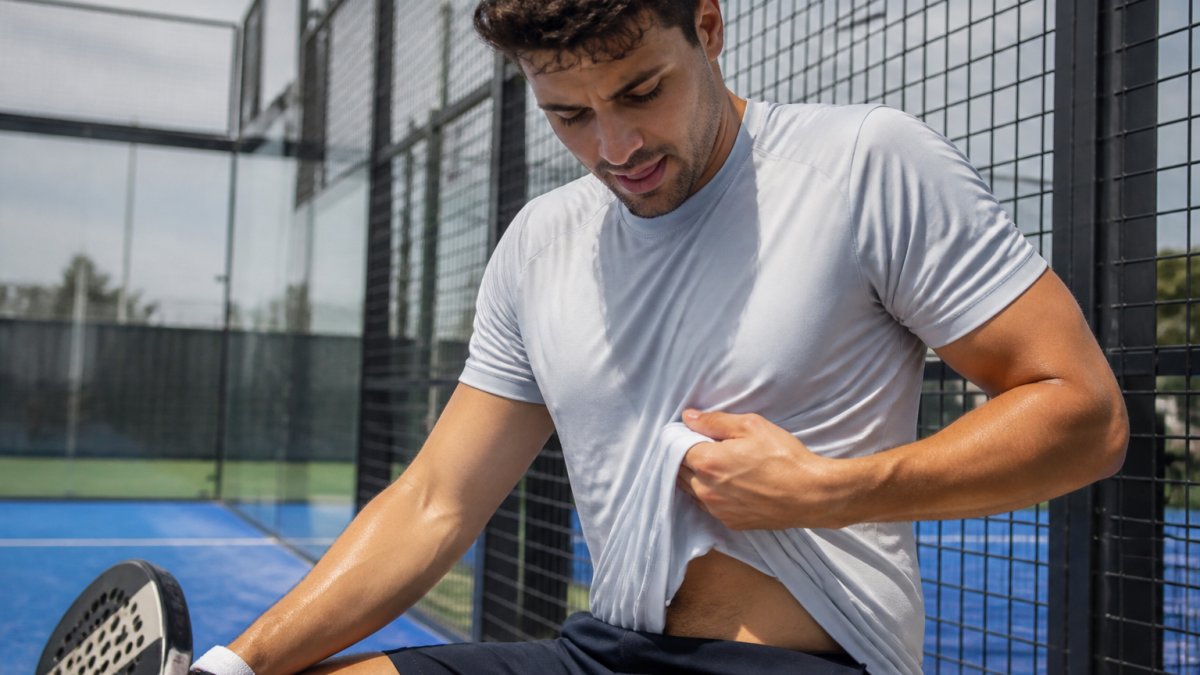
Padel tennis creates specific demands on activewear that general gym clothing doesn't address. The sport combines lateral movement, explosive acceleration, and sustained court time. Padel tennis clothing requirements include moisture management for extended play, freedom of movement for rapid directional changes, and durability for court-surface friction.
Court-surface friction generates significant wear on standard activewear. Padel courts use synthetic surfaces that create more friction than gym floors. Padel-specific gear uses reinforced fabrics in high-friction zones and more durable seam construction.
Moisture management becomes critical during extended padel play. A typical match lasts 45-60 minutes of continuous movement. Padel tennis clothing requirements specify enhanced moisture-wicking and breathability to maintain comfort throughout play. Movement patterns demand rapid lateral movement and explosive lunges, requiring four-way stretch fabrics without restriction.
Temperature regulation matters in padel because the sport generates heat in a relatively small space. Padel tennis clothing requirements include fabrics that dissipate heat effectively while managing moisture. Investing in sport-specific gear means choosing brands that understand these requirements. REVIVE Activewear and Apparel's focus on innovative Padel tech designs means the brand engineers pieces specifically for padel-court demands rather than adapting general activewear.
Sustainability, Brand Prestige, and the Premium Price Tag
Sustainable sourcing adds genuine cost to activewear production. Brands committed to environmental responsibility pay more for responsibly-produced synthetic materials and ethical manufacturing processes. Premium brands increasingly invest in recycled polyester and innovative alternatives, which cost more to produce but reduce environmental footprint.
Manufacturing practices significantly impact both cost and sustainability. Brands investing in fair-labour facilities, waste-reduction systems, and water-conservation measures pay more per unit. The environmental impact of fast fashion versus investment pieces matters financially, buying budget activewear that needs replacement every 12-14 months means purchasing more pieces over time, each with manufacturing, packaging, and shipping costs.
Brand prestige carries legitimate value beyond marketing. Established activewear brands have earned their reputation through years of consistent quality, reliable customer service, and product reliability. Transparency in sourcing and manufacturing has become a competitive advantage, requiring investment in tracking systems and documentation.
The decision to invest in expensive activewear depends on your specific situation. If you exercise regularly and value garment longevity, premium pieces deliver better cost-per-wear economics. For sport-specific activities like padel tennis, investing in specialized gear that understands your sport's unique demands makes measurable performance difference.
REVIVE Activewear and Apparel offers high-quality, stylish activewear engineered for durability and performance, with specialized Padel tech designs that address the specific demands of court play. The brand supports scalable ordering from single items to bulk team quantities, with standard or express delivery options and dedicated expert support. Get started with REVIVE Activewear and Apparel and invest in gear that performs where it matters most.
| Factor | Budget Activewear | Premium Activewear |
|---|---|---|
| Seam durability | Fails by 20-30 washes | Maintains integrity 50+ washes |
| Elasticity retention | Noticeable loss by month 3 | Consistent through 18+ months |
| Moisture-wicking | Basic performance | Enhanced, sustained performance |
| Compression quality | Minimal support | True measurable compression |
| Cost-per-wear (2 years) | 80p+ per wear | 60p or less per wear |
| Sizing consistency | Limited ranges | Inclusive sizing across body types |
Frequently Asked Questions
Q: Do expensive leggings actually last longer than budget alternatives?
A: Premium activewear typically outlasts budget options with regular use, thanks to superior fabric recovery and seam integrity. High-quality synthetic blends retain elasticity better through repeated washing and stretching. Budget alternatives often show pilling, seam degradation, and loss of compression within a few months. Cost-per-wear calculations often favour expensive activewear even though the upfront price is higher, because you replace them less frequently.
Q: What technical features should I look for in premium gym wear?
A: Prioritise four-way stretch, moisture-wicking construction, and seamless or reinforced seams. Look for squat-proof opacity, anti-microbial treatments, and thermal regulation properties. Premium fabrics use advanced synthetic blends designed for high-impact and low-impact activities. Check for breathability ratings and fabric recovery claims. These features directly impact performance during workouts and durability through repeated washing cycles.
Q: How does sustainable sourcing impact the cost of expensive activewear?
A: Ethical manufacturing and sustainable sourcing add to production costs, which is reflected in premium pricing. Brands investing in environmental responsibility often use recycled synthetic materials and reduce water consumption. Whilst this increases the initial purchase price, it aligns with long-term durability and garment longevity. Many consumers find the environmental impact of synthetic materials justifies the premium, especially when paired with extended garment lifespan.
Q: Is there a noticeable difference in fabric technology between luxury and high-street brands?
A: Yes. Luxury activewear uses advanced technical fabrics engineered for specific performance needs, whilst high-street brands often use generic synthetic blends. Premium brands invest in durability testing, ergonomic design, and fit consistency across size ranges. High-street alternatives prioritise cost reduction over performance innovation. The difference becomes apparent in moisture management, seam durability, and fabric recovery after stretching.
This article was written using GrandRanker