 how-to
How to Layer Clothing for Winter Running
Table of Contents
- The Three-Layer System Explained
- Base Layer: Moisture Wicking and Breathability
- Best Fabrics for Winter Running
- Mid Layer: Insulation and Heat Retention
- Outer Shell: Wind and Water Protection
- How to Prevent Overheating While Running
- Winter Running Accessories Guide
- Dressing for Different Temperatures
- Frequently Asked Questions
Last Updated: October 2, 2026
The Three-Layer System Explained
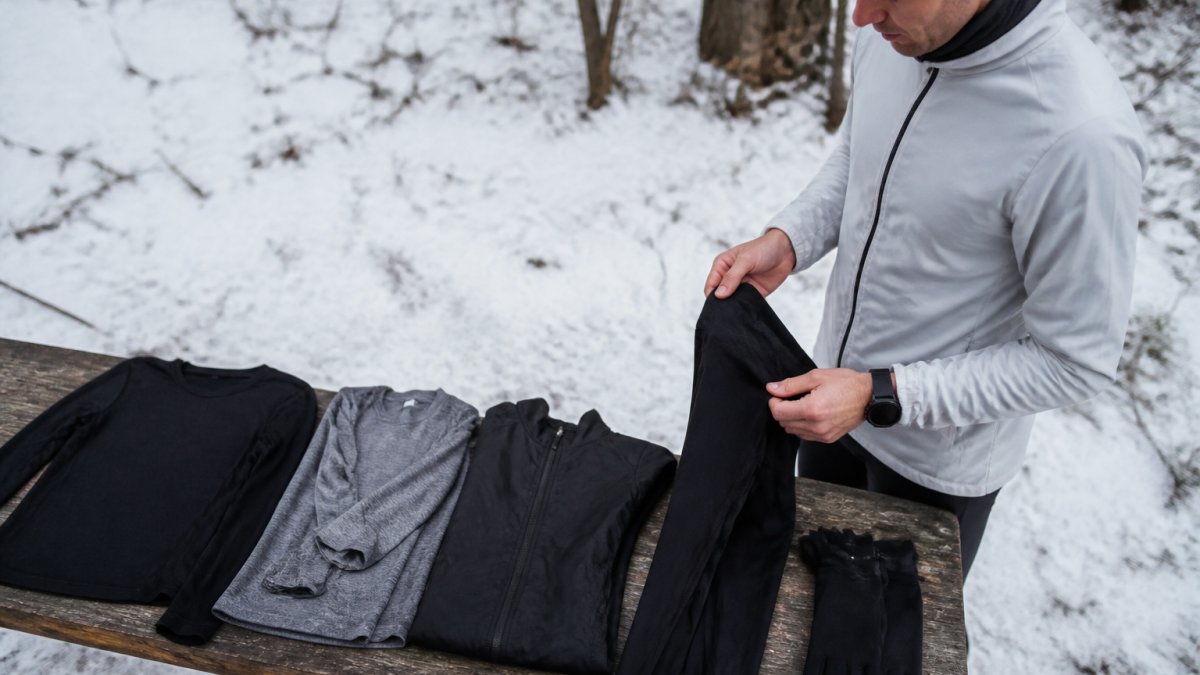
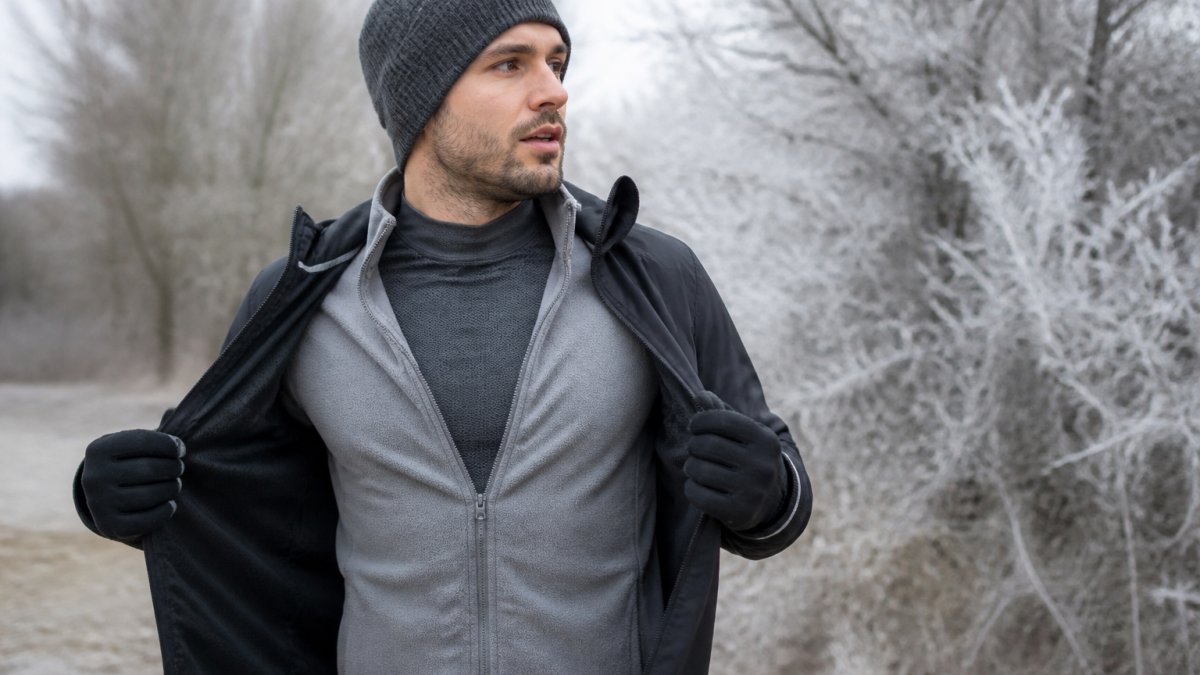
Layering clothing winter running relies on three layers working together: a moisture-wicking base layer, an insulating mid-layer, and a windproof outer shell.
Why layering works for outdoor running
Your body generates heat while running, but sweat and cold air steal it away. A single thick jacket traps sweat against your skin; three thin layers manage moisture, insulation, and wind protection separately, and adjust as your body temperature changes.
How the layers work together
The base layer wicks sweat, the mid-layer traps warm air, and the outer shell blocks wind and rain. All three must work together: a damp base layer prevents proper insulation, an overly thick mid-layer causes overheating, and a non-breathable shell traps sweat underneath.
Base Layer: Moisture Wicking and Breathability
Your base layer sits directly against your skin and must pull sweat away quickly. Cotton absorbs moisture and makes you cold; you need a technical fabric that wicks.
Moisture-wicking fabrics move sweat to the outer surface where it evaporates, keeping your skin dry and warm. The fabric must also breathe; a non-breathable base layer defeats the purpose.
Your base layer should be snug to stay in contact with your skin and pull sweat away effectively; loose-fitting layers leave gaps where moisture pools.
Best Fabrics for Winter Running
Technical fabrics perform differently in winter conditions. Understanding these differences helps you choose the right fabric for your climate.
Merino wool versus synthetic fibres
Merino wool wicks moisture, regulates temperature, resists odour, and feels warm even when damp, but costs more. Synthetic fibres like polyester are affordable, durable, dry faster, and perform consistently, though they retain odour less effectively. Merino wool is the premium choice for variable conditions; synthetics are practical if budget is a concern.
Mid Layer: Insulation and Heat Retention
Your mid-layer traps warm air and provides insulation. It must be lightweight and compressible so you can remove it if you warm up.
Fleece is the standard choice, warm, breathable, and compressible. Merino wool mid-layers offer better temperature regulation. Avoid cotton, which absorbs moisture. Your mid-layer should be snug enough to trap air but loose enough to layer without bunching.
Outer Shell: Wind and Water Protection
Your outer shell blocks wind and sheds water without trapping moisture. Look for technical fabrics with a windproof membrane that allow water vapour to escape. Your shell should be roomy enough to fit over other layers without restricting arm movement, and extend to your hips to protect your core.
How to Prevent Overheating While Running
Overheating is a common winter running mistake. Your metabolic rate increases 15-20 times during running, generating heat regardless of air temperature. If your layers trap too much heat, your core temperature rises and you sweat heavily; when you stop, that sweat becomes a cooling liability.
The warm-up window and layer adjustment timing
Your body temperature rises in phases: the first 5-10 minutes require insulation as you warm up, but between 10-20 minutes your core temperature climbs rapidly and most runners overheat if overdressed.
Dress for the 10-20 minute window, not the first 5 minutes. You should feel slightly cool at the start; if you feel warm and comfortable at 5 minutes, you've overdressed.
Strategic layer removal mid-run
Remove or loosen layers proactively at 15-20 minutes: unzip your shell, tie a mid-layer around your waist, expose your head and neck (major heat-loss areas), or remove gloves. Removing one layer entirely is more effective than unzipping, which creates turbulence without removing insulation.
Sweat management and the evaporative cooling trap
Sweat evaporates and cools you when moving, but when you slow down or stop, evaporation accelerates and you lose heat rapidly. A damp base layer cools you by 2-3°C within minutes of stopping. Starting slightly cold prevents heavy early sweating and dangerous post-run chilling.
The intensity-to-temperature ratio
Running intensity matters as much as air temperature. A hard tempo run generates more heat than an easy run in the same conditions. Adjust your base layer weight and mid-layer thickness based on planned effort, not just the thermometer.
Winter Running Accessories Guide
Accessories matter as much as your core layers. Extremities lose heat quickly in cold weather. Your hands, feet, neck, and head need protection. But equally important, and often overlooked, is what happens after your run ends.
Neck gaiters and thermal protection
A neck gaiter covers your neck and can pull up to cover your mouth and nose. It protects sensitive areas from cold air and wind. Neck gaiters also reduce the amount of cold air you breathe in, which helps prevent airway irritation during winter running.
Choose a neck gaiter made from merino wool or a technical synthetic. It should be breathable so moisture can escape. A wet neck gaiter will make you colder, not warmer.
Gloves, socks and extremity protection
Gloves are essential for winter running. Your hands lose heat quickly and become numb in cold conditions. Insulated running gloves keep your hands warm while allowing enough dexterity to adjust your layers or use your phone. For temperatures below -5°C, consider mittens instead of gloves; they trap more heat because your fingers are grouped together (pubmed.ncbi.nlm.nih.gov). The trade-off is reduced dexterity, but for very cold runs, warmth is the priority.
Socks need to be thick and moisture-wicking. Merino wool socks are ideal for winter running. They insulate well and keep your feet dry. Avoid cotton socks; they absorb sweat and your feet will get cold. Look for socks with cushioning in high-impact areas (heel and ball of foot) to provide both insulation and shock absorption.
Hats and headwear protect your head, where you lose significant heat. A lightweight running hat or headband is enough for most winter conditions. For extreme cold, a balaclava covers your face and neck. Choose a balaclava with moisture-wicking fabric; a damp balaclava traps cold against your face.
Post-run transition and recovery
What you do in the 15 minutes after your run ends is as important as what you wear during it.
Change immediately. Your damp base layer will cool you rapidly once you stop generating heat.
Prioritise the core and extremities. Change your base layer first, then your socks and gloves.
Consume warm food or drink within 30 minutes. Your body needs fuel to generate heat during recovery.
Shower or bathe later, not immediately. A common mistake is showering right after a winter run while still cold.
Monitor for delayed chilling. Some runners experience a delayed chill 30-60 minutes after finishing a run, even if they changed into dry clothes.
Dressing for Different Temperatures
Temperature determines how many layers you need. A simple rule helps you get this right.
The 10-degree rule for cold weather
The 10-degree rule is a starting point for layering clothing winter running. Add approximately 10 degrees Celsius to the current temperature. Dress as if it's that warmer outside. Your body heat will make up the difference as you run.
Example: If it's 0°C outside, dress as if it's 10°C. This means a base layer, light mid-layer, and shell. If it's -5°C, dress as if it's 5°C, which might mean a base layer, heavier mid-layer, and insulated shell.
This rule works for most runners. You may need to adjust based on your personal metabolism, fitness level, and the intensity of your run.
Extreme cold running (below -10°C)
Running in temperatures below -10°C requires extra protection. At this point, you're dealing with serious cold that can cause frostbite and hypothermia prevention becomes critical.
Consider these adjustments:
- Use a heavier base layer made from merino wool
- Add a second mid-layer for extra insulation
- Wear an insulated, windproof shell
- Cover all exposed skin with a balaclava or face mask
- Use insulated gloves and thick socks
- Limit your run duration, shorter runs are safer in extreme cold
Your face and extremities are most vulnerable in extreme cold. Protect them first. Consider running indoors or on a treadmill if temperatures drop below -15°C.
Budget-friendly layering hacks
You don't need expensive gear to layer effectively for winter running.
Base layers: Look for affordable synthetic base layers from mainstream sports retailers.
Mid-layers: An old fleece jumper works as a mid-layer. It's warm, breathable, and costs nothing if you already own it.
Shells: A lightweight windproof jacket from a high street shop provides wind protection.
Accessories: Budget gloves and hats from mainstream retailers perform well. You don't need specialist running gear for every accessory.
The key is choosing the right fabrics and fit, not spending the most money.
Layering clothing for winter running doesn't have to be complicated or expensive.
Frequently Asked Questions
What is the best layering system for running in freezing temperatures?
The three-layer system works best: a moisture-wicking base layer (merino wool or synthetic) against your skin, an insulating mid-layer such as fleece for heat retention, and a windproof, waterproof outer shell. This combination manages sweat, traps body heat, and protects you from wind chill. Start with this foundation and adjust thickness based on the temperature and your individual metabolism.
Should I wear cotton when running in winter?
No. Cotton absorbs moisture and holds it against your skin, which causes rapid heat loss and increases hypothermia risk. Always choose moisture-wicking base layers made from merino wool or synthetic fibres like polyester or nylon. These materials pull sweat away from your body and dry quickly, keeping you warm and dry throughout your run.
How do I stop overheating while running in layers?
Choose breathable fabrics with ventilation properties, avoid over-layering by using the 10-degree rule as a guide, and consider removing your outer shell once your body warms up. Merino wool naturally regulates temperature better than synthetics. Start your run slightly cool; you'll warm up within the first 10 minutes of aerobic activity. Remove layers proactively rather than waiting until you're overheating.
How many layers should I wear for a run in 0°C weather?
Wear all three layers: a fitted moisture-wicking base layer, an insulating mid-layer (fleece or wool), and a windproof, waterproof outer shell. Add thermal running tights or leggings, a neck gaiter, gloves, and thermal socks to protect extremities. Your individual metabolism and running pace affect how many layers you need, so test your setup on shorter runs first before committing to longer distances.