 ultimate-guide
Lifestyle Activewear Explained: A 2026 Guide
Table of Contents
- What Is Lifestyle Activewear?
- How Lifestyle Activewear Differs from Sportswear and Athleisure
- Performance vs Lifestyle Fabrics Explained
- Key Features of Quality Lifestyle Activewear
- Activewear That Lasts After Washing: Care and Durability
- How to Style Activewear for Everyday Wear
- Choosing Lifestyle Activewear That Fits Your Body and Budget
- Frequently Asked Questions
Last Updated: October 1, 2026
What Is Lifestyle Activewear?
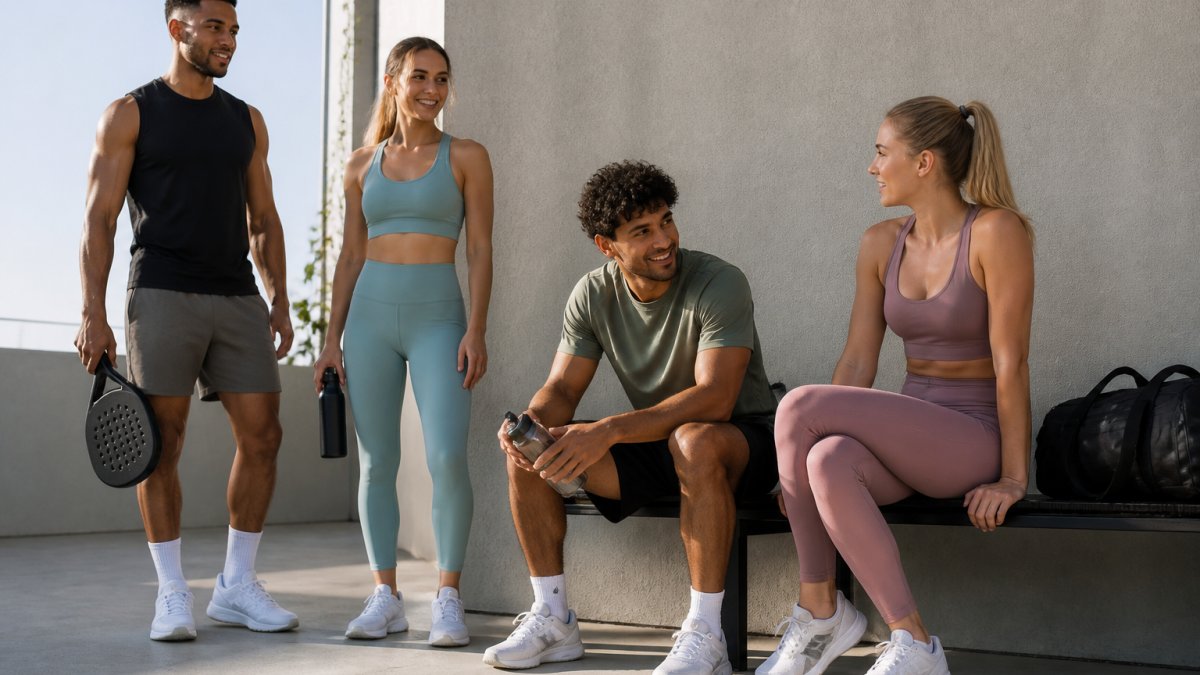
Lifestyle activewear is performance-engineered clothing designed to transition seamlessly between athletic activities and everyday wear. Unlike traditional sportswear built solely for high-impact exercise, lifestyle activewear blends technical fabric performance with aesthetic appeal, allowing you to wear the same piece from your morning yoga class to afternoon errands without changing.
At REVIVE Activewear and Apparel, we design pieces that serve dual purposes: they manage moisture, support movement, and regulate temperature during workouts, while maintaining the visual polish needed for casual social settings.
The core characteristic separating lifestyle activewear from basic athletic wear is versatility. A quality piece works across multiple contexts: gym sessions, outdoor runs, studio classes, and casual social environments. This requires thoughtful fabric selection, ergonomic design, and durability standards that exceed what traditional leisurewear demands.
How Lifestyle Activewear Differs from Sportswear and Athleisure
The terminology here matters because the categories address different needs. Sportswear focuses entirely on performance during competition or training, think rugby kits or cricket whites. Athleisure emerged as a fashion trend that borrows athletic aesthetic without necessarily delivering technical performance. Lifestyle activewear sits between them: it delivers genuine performance features while maintaining everyday wearability.
Sportswear prioritises function over form. A rugby shirt needs to withstand tackles and mud, but nobody expects to wear it to dinner. Athleisure, conversely, prioritises appearance over performance. A pair of athleisure leggings might look polished but offer minimal moisture-wicking or compression support during intense activity.
Lifestyle activewear requires both. It must perform during workouts while looking intentional in casual settings. This dual requirement drives specific design choices: seam construction that's both durable and smooth against skin, fabric blends that balance breathability with opacity, and silhouettes that work across body types without requiring constant adjustment.
The practical difference becomes obvious during wear. Sportswear often feels uncomfortable outside its intended context. Athleisure frequently fails during genuine athletic demand, seams separate, fabrics pill, or moisture management proves inadequate. Lifestyle activewear is engineered to excel in both scenarios simultaneously.
Performance vs Lifestyle Fabrics Explained
This is where material science directly affects your purchasing decision. Performance fabrics use synthetic fibres, polyester, nylon, elastane, specifically because they deliver moisture-wicking, breathability, and four-way stretch that natural fibres cannot match. Cotton absorbs sweat rather than moving it away from skin, making it unsuitable for intense activity.
Moisture-wicking fabrics work through capillary action, pulling perspiration from your skin through the fabric's fibres and dispersing it across a larger surface area where it evaporates faster. This keeps you dry during workouts and prevents that uncomfortable clinging sensation. Breathability refers to how efficiently air passes through the fabric, cooling your body during exertion.
Four-way stretch means the fabric stretches in all directions, lengthwise, widthwise, and diagonally, rather than just one or two. This matters because human movement isn't linear. When you lunge, your quadriceps stretch vertically whilst your hip flexors stretch horizontally. Four-way stretch accommodates both simultaneously without bunching or restricting movement.
Thermal regulation capability varies significantly between fabrics. Some synthetics trap body heat, which suits cold-weather outdoor running but feels stifling in a heated yoga studio. Higher-quality lifestyle activewear uses fabric blends engineered for specific conditions: mesh panels for ventilation in high-heat zones, denser material in areas requiring support, and lighter construction in areas demanding maximum breathability.
The durability question is critical. Performance fabrics resist pilling, those small balls of fibre that form on worn areas, far better than natural fabrics. Synthetic fibres also recover from stretching more effectively, maintaining their shape after repeated washing and wear. This is why your lifestyle activewear should outlast basic cotton alternatives by years, provided you care for it properly.
Key Features of Quality Lifestyle Activewear
Recognising quality separates pieces that last from those that degrade within months. Start with seam construction. Flat-lock seams eliminate the ridge that traditional seams create, preventing chafing during movement and reducing visible seam lines under fitted clothing. Double-stitched seams provide redundancy, if one thread breaks, the seam remains intact. Look for seams that sit flat against your skin rather than creating raised edges.
Fabric weight matters more than most people realise. Lightweight fabrics (under 150 grams per square metre) excel in warm conditions and provide maximum breathability but offer minimal support and durability. Mid-weight fabrics (150-250 gsm) balance breathability with durability and are suitable for most activities. Heavyweight fabrics (over 250 gsm) provide maximum support and durability but can feel restrictive in warm environments. Quality lifestyle activewear uses different weights strategically within a single piece.
Gusset construction, the reinforced panel in the crotch area of leggings and shorts, indicates thoughtful design.
Activewear That Lasts After Washing: Care and Durability
How you wash lifestyle activewear directly determines its lifespan. Most people destroy their activewear through incorrect care rather than genuine wear. The fundamental rule: treat activewear more carefully than regular clothing because synthetic fabrics respond poorly to heat and harsh chemicals.
How to Style Activewear for Everyday Wear
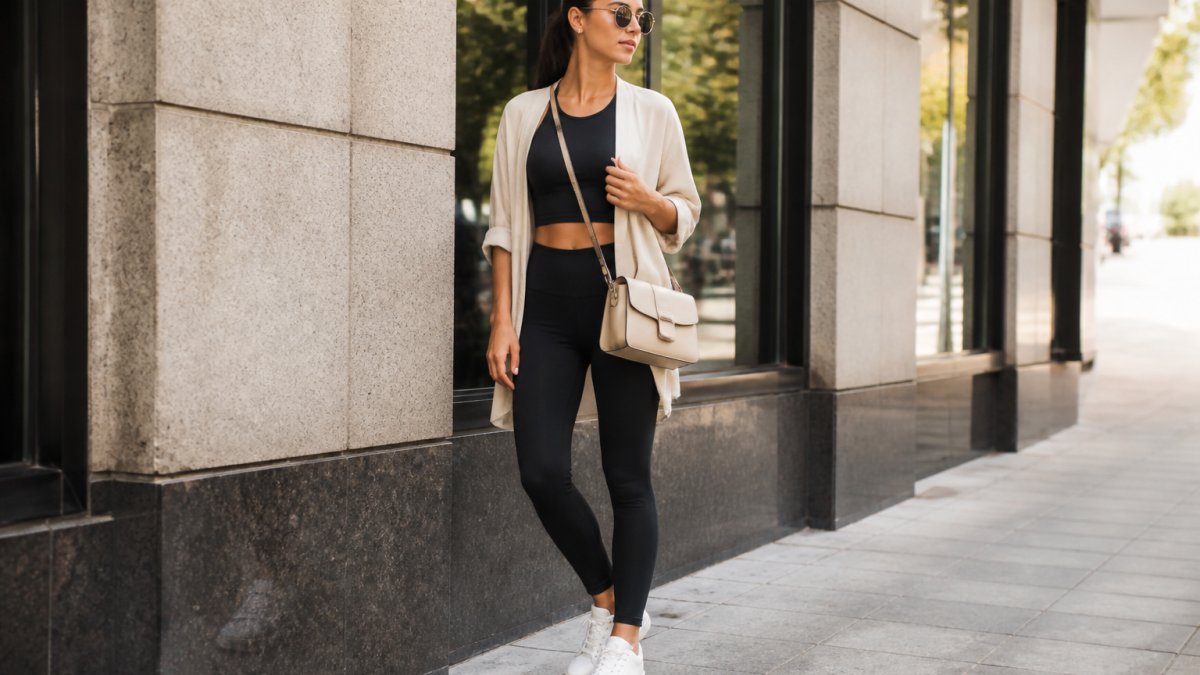
The transition from gym to street requires intentional layering and accessory choices. A fitted sports top paired with high-waisted leggings forms your athletic base, but adding a structured cardigan, oversized blazer, or denim jacket instantly shifts the context toward casual wear. The key is ensuring your activewear sits properly underneath, no visible bunching, no awkward seams creating ridges under outerwear.
Choosing Lifestyle Activewear That Fits Your Body and Budget
Sizing consistency varies dramatically across brands, making fit guides essential. REVIVE Activewear and Apparel provides detailed fit information. Broad shoulders paired with a narrow waist requires different sizing than an hourglass figure, yet both might wear the same nominal size.
| Consideration | Impact on Selection | Practical Implication |
|---|---|---|
| Fabric weight | Breathability vs. support balance | Choose mid-weight for versatility across seasons |
| Seam construction | Durability and comfort during wear | Inspect seams before purchase; flat-lock indicates quality |
| Moisture-wicking capability | Performance during intense activity | Essential for gym, yoga, running; less critical for casual wear |
| Colour retention | Visual appeal over time | Quality dyes maintain appearance through repeated washing |
| Stretch recovery | Fit consistency after washing | Four-way stretch with quality elastane maintains shape |
| Price point | Budget allocation and cost-per-wear | Higher initial cost often means lower cost-per-wear over time |
Frequently Asked Questions
What is the difference between lifestyle activewear and sportswear?
Lifestyle activewear prioritises everyday versatility and aesthetic appeal alongside technical performance, whereas sportswear is engineered specifically for high-impact athletic activities. Lifestyle activewear works for gym sessions, running errands, and casual outings, it bridges the gap between function and fashion. Sportswear focuses purely on performance features like compression technology and moisture-wicking during intense exercise. Lifestyle activewear often features a capsule wardrobe approach, allowing pieces to transition seamlessly from gym to street without looking overly technical.
Can I wear lifestyle activewear for high-intensity sports like Padel?
Yes, quality lifestyle activewear can handle high-intensity activities when it incorporates technical fabrics like four-way stretch, moisture-wicking, and breathability features. However, sport-specific designs optimised for Padel or CrossFit may offer additional benefits such as reinforced seams, ergonomic cuts for particular movements, and specialised fabric construction. If you play Padel regularly alongside other activities like yoga or gym work, investing in lifestyle activewear with strong technical credentials ensures one piece works across multiple pursuits without compromising performance or durability.
How do I know if activewear will last after washing?
Look for quality indicators: high-grade synthetic fabrics (polyester blends, nylon), flatlock or seamless construction, and reinforced seams. Wash inside out in cool water, avoid fabric softener, and air-dry to extend garment durability. Premium brands often detail their textile composition and seam construction, transparency about materials signals confidence in longevity. Customer reviews frequently mention how pieces hold up after repeated washing; genuine feedback from people who've owned the garment for months reveals real durability.
What makes lifestyle activewear more expensive than basic gym clothes?
Premium lifestyle activewear costs more due to superior textile innovation, durability engineering, and versatile design. Higher-quality synthetic fibres, four-way stretch construction, and advanced moisture-wicking technology cost more to produce than basic cotton-blend alternatives. Specialised design, such as Padel-specific tech or ergonomic cuts for multiple body types, requires additional development. Ethical manufacturing and sustainable materials also increase production costs. The cost-per-wear improves over time because quality pieces last longer and work across more occasions, making them a smarter investment than cheaper alternatives that wear out quickly.
Is lifestyle activewear suitable for a capsule wardrobe?
Absolutely. Lifestyle activewear is designed for versatility, making it ideal for capsule wardrobes. Neutral colours, clean lines, and technical features allow pieces to transition from gym to casual wear to work-life balance moments seamlessly. A well-chosen lifestyle activewear set, leggings, fitted tops, and layering pieces, works with trainers, casual shoes, and even work outfits. This versatility reduces the number of items you need while maximising outfit combinations, which is the core principle of capsule wardrobe building. Quality pieces that last after washing make this approach economical.
What is the environmental impact of synthetic fibres in activewear?
Synthetic fibres like polyester and nylon are petroleum-based, creating environmental concerns around production and end-of-life disposal. However, they offer durability advantages: synthetic activewear lasts longer than natural alternatives, reducing waste from frequent replacement. Sustainable manufacturing practices, such as recycled polyester or circular fashion initiatives, are becoming standard among quality brands. When choosing lifestyle activewear, look for brands committed to eco-friendly materials and ethical manufacturing. Investing in durable pieces that last years rather than months reduces your overall environmental footprint, as longevity is one of the most effective sustainability measures.
How should I fit lifestyle activewear if I have an athletic or unusual body shape?
Quality lifestyle activewear brands offer detailed fit guides and size charts specific to body types, look for guides that address broad shoulders, narrow waists, athletic builds, or other variations. Customer reviews often mention how pieces fit different shapes; reading these comments reveals whether a brand runs true-to-size or has fit quirks. Brands offering body-type specific fit recommendations or multiple cut options (e.g., high-waist vs. mid-rise) demonstrate commitment to inclusive sizing. Many premium brands provide comprehensive sizing information and customer service to help you select the right size, reducing the risk of poor fit that leads to returns or underused pieces.