 How-to
How to Choose High-Quality Activewear for Teams: A Buyer's Guide
Quick Summary
High-quality activewear for teams is chosen by matching fabric to the sport, confirming the stitching and washability, and testing real samples on squad members of different body types before ordering. Team orders need a per-person budget, a full size range, and a written quote with volume tiers and exchange terms.
- Write down the three most demanding movements and check each fabric against them.
- Check seams, waistbands, pilling and washability before approving any fabric.
- Collect real measurements from every squad member and compare them to the brand's size chart.
- Order fit samples in the smallest and largest sizes your roster needs, not just the middle.
- Build a per-person budget covering garments, decoration, delivery and a contingency allowance.
Table of Contents
- Why Team Activewear Needs a Different Buying Process
- Step 1: Match the Fabric to the Sport and Workout
- Step 2: Get Sizing Right Across a Whole Squad
- Step 3: Test Samples Before You Commit
- Step 4: Work Out Bulk Pricing and Total Cost of Ownership
- Step 5: Use a Team Uniform Ordering Checklist
- Booking Your Team Order With REVIVE
- Frequently Asked Questions
Why Team Activewear Needs a Different Buying Process
Last Updated: November 12, 2026
Buying one pair of leggings is simple. Buying forty sets for a squad is not.
Quality does not have one shared definition.
Team orders also raise the stakes. A single bad item is an inconvenience. A bad batch affects the whole squad, wastes a budget and can delay a launch date.
This guide walks through those steps in order. Each one is a decision you can make before money leaves your account.
Step 1: Match the Fabric to the Sport and Workout
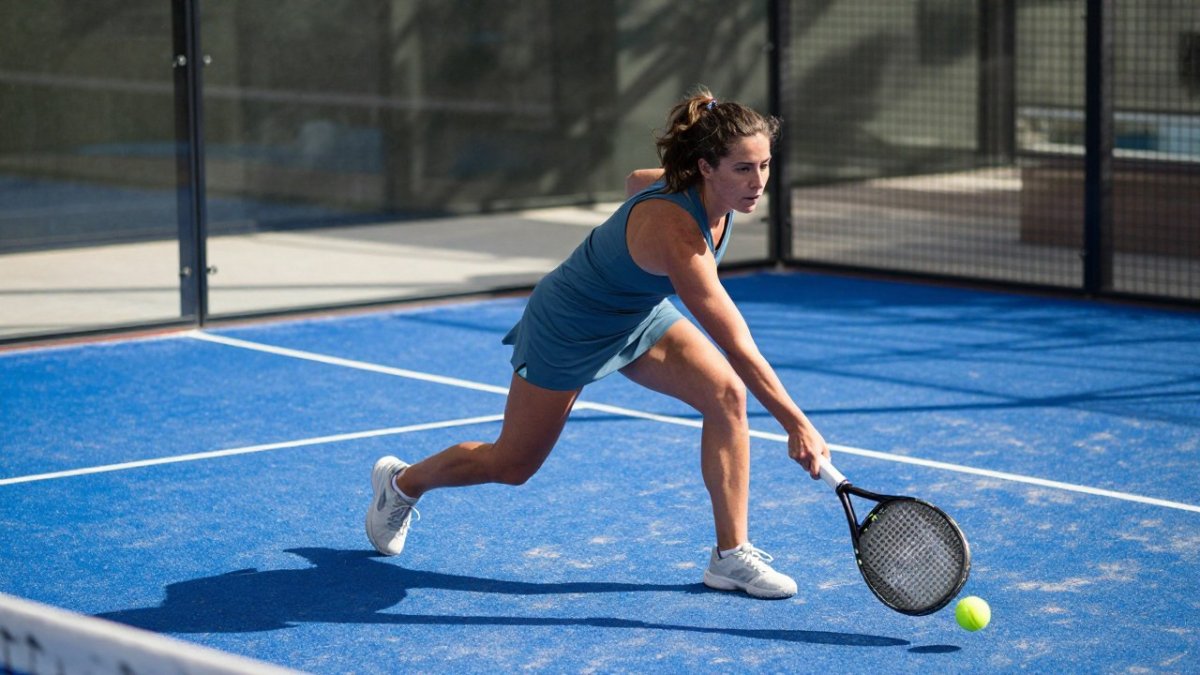
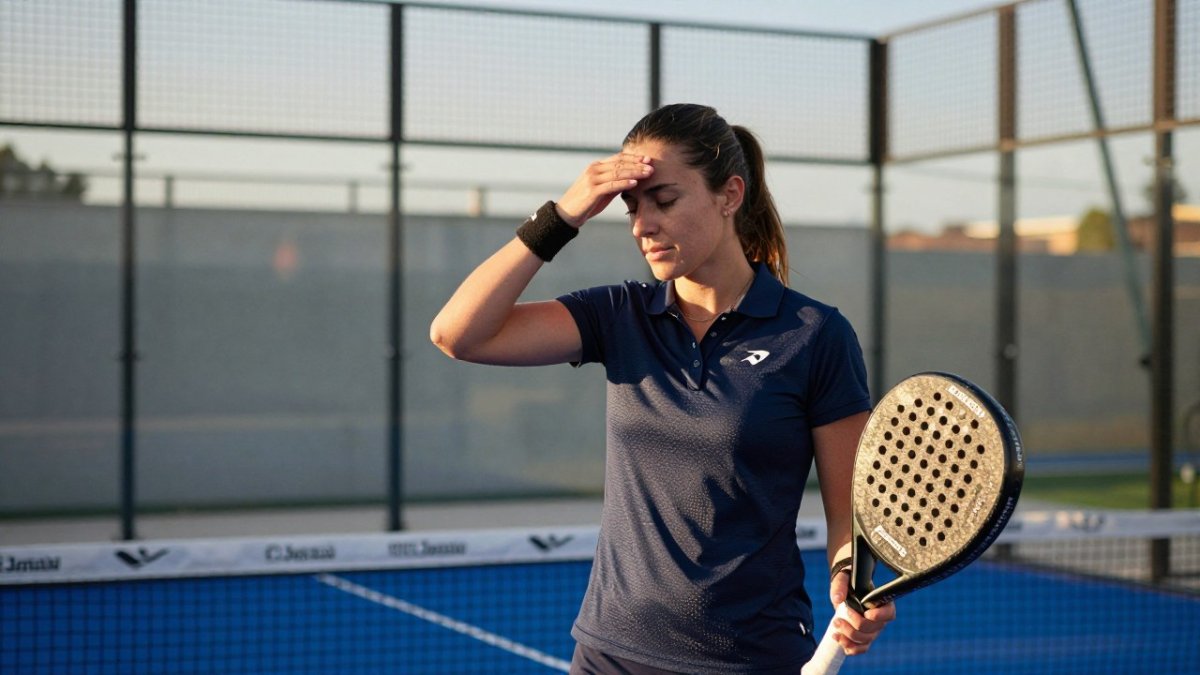
Write down the three most demanding movements your team makes. Then check each fabric against them. Heavy, high-intensity training usually needs fabric that moves sweat away from the skin quickly. Yoga and studio work often prioritise stretch and softness. Court sports need freedom of movement and fabric that holds its shape under repeated stretching.
Moisture-Wicking, Breathability and Stretch
Moisture-wicking and breathability are related but not the same. Wicking describes how fast fabric pulls sweat away from the body. Breathability describes how easily air moves through it.
Stretch matters just as much. Four-way stretch moves with the body in every direction, suiting lunging, squatting and overhead reaches. Check the stretch figures on the product sheet, then pull the garment at the seams and thighs.
Durability, Stitching and Washability
Durability is where team orders most often go wrong. A garment that looks sharp on day one can pill, lose its shape or split at the seams after a season of heavy use.
Check four things before you approve a fabric:
- Seams: Look for flatlock or reinforced stitching in high-stress areas such as the crotch, underarms and waistband.
- Waistbands: A drawcord, a stable elastic band and a clean finish stop waistbands from rolling or stretching out.
- Pilling and abrasion: Ask for test results or rub a sample against itself to see how quickly the surface fuzzes.
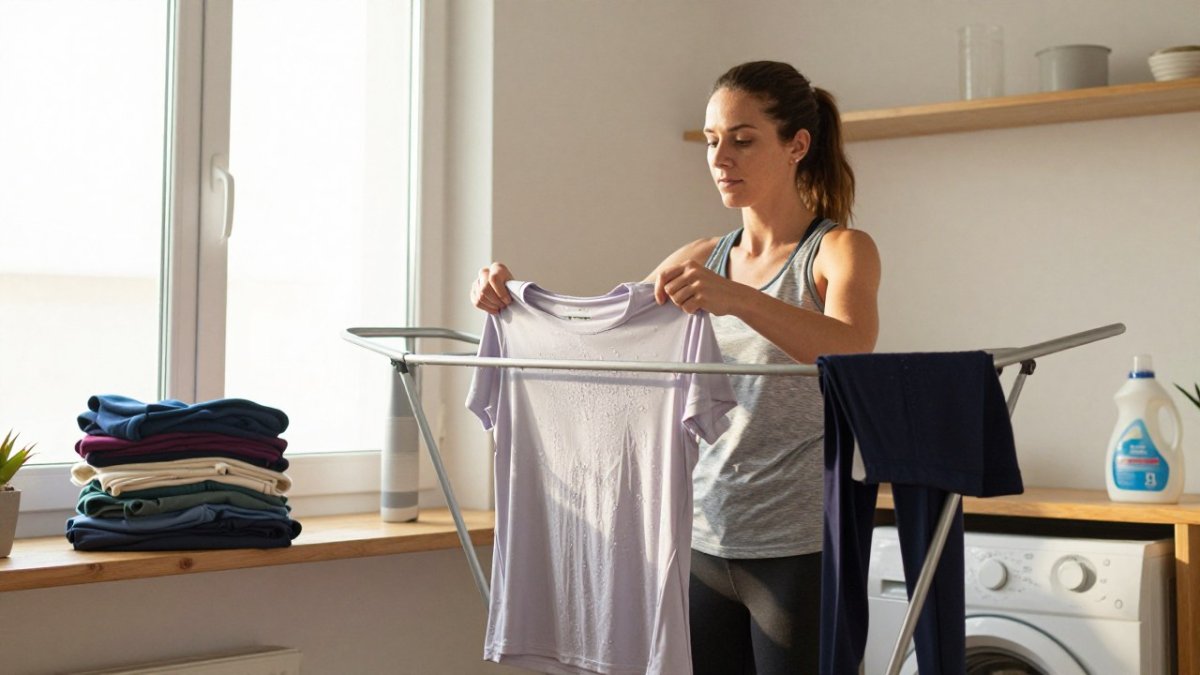
Shrinkage and colourfastness deserve a test too. Wash a sample three times at the care temperature, then compare the length, the fit and the colour against the original.
Step 2: Get Sizing Right Across a Whole Squad
Sizing is the most expensive mistake a team can make, because it shows up after the order is placed. Individual buyers can return one item.
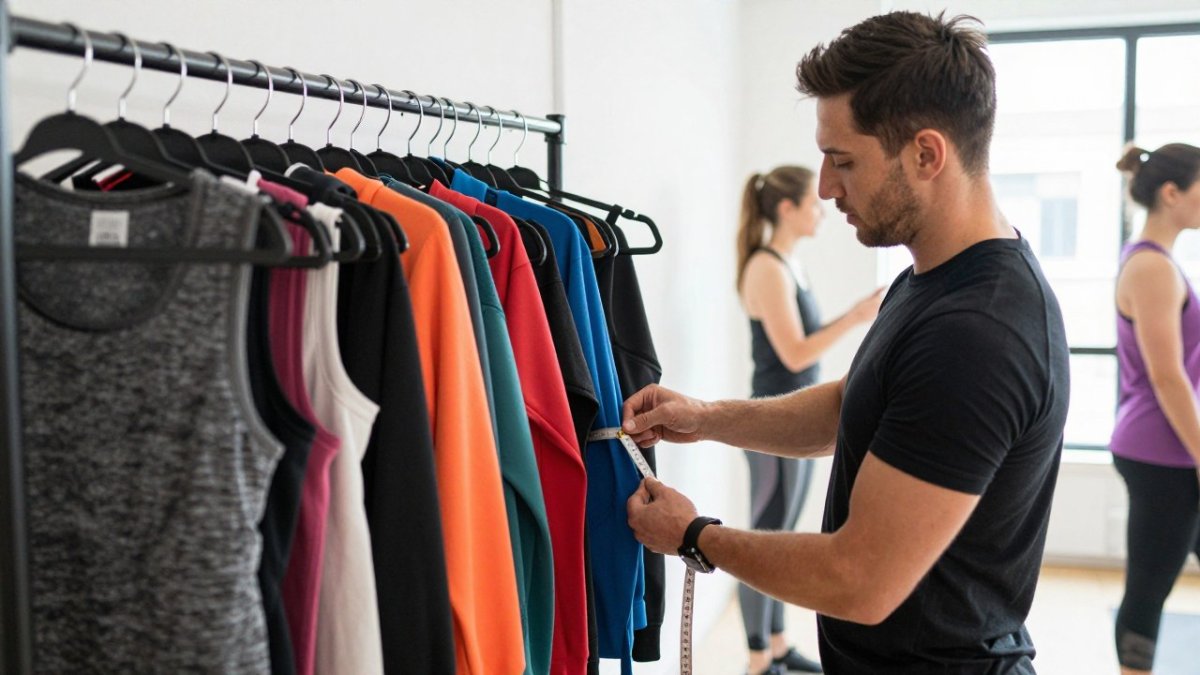
Start by collecting real measurements from the squad rather than guessing from a size label. Chest, waist, hip, inside leg and shoulder width are the measurements that matter most for training wear. Then compare them to the brand's size chart, not to the size you usually wear elsewhere.
Build an Inclusive Size Range, Not Just a Size Chart
A size chart tells you what exists; it does not tell you whether the range works for your roster. Before you commit, check three things:
- Size span: Confirm the supplier stocks the full range your squad needs, from the smallest to the largest member, in every style you plan to order. A top that stops at a certain size forces some players into a different cut, which breaks the uniform look.
- Graded fit, not scaled fit: Ask whether the brand grades its patterns across sizes or simply scales a single block up and down. Graded patterns adjust proportions at the bust, waist, hip and sleeve; scaled patterns tend to fit poorly at the extremes of the range.
- Modesty and coverage options: For mixed teams and multi-sport squads, check whether longer-line tops, higher necklines and fuller-coverage shorts are available in the same fabric and colour as the main kit.
A common pattern is for teams to order the middle of the size range first and discover later that the largest and smallest members are the ones whose kit does not fit. Order a fit sample in the smallest and largest sizes your roster needs, not just the middle.
Run a Fit Sample Before the Full Order
A fit sample is a single garment in each key size, worn by the people who will actually wear it. Ask two or three squad members of different body types to wear the sample through a full session, then note where it pulls, rides up, gaps at the neckline or restricts movement.
Watch out: a garment that fits one athletic build well can be restrictive on a fuller bust or broader shoulder, so never approve a size range from a single wearer.
Manage Exchanges and Reorders Across the Roster
Even with careful measurement, some exchanges are inevitable. Plan for them before the order goes in:
- Keep a size breakdown on file: Record every member's measurements and the size ordered, so a replacement matches the original.
- Ask about exchange terms: Confirm the exchange terms in writing with the supplier, including whether size exchanges are accepted on decorated garments and whether any restocking fee or minimum quantity applies.
- Hold spare stock: Order a small number of extra garments in the most common sizes so a new member or a wrong size can be resolved without a fresh minimum order.
Step 3: Test Samples Before You Commit
Never approve a team order from photographs alone.
A practical test has four parts. Wear the sample during a real session, not a fitting room visit. Do a set of squats, lunges and overhead reaches to check stretch and coverage. Wash it according to the care label and check it after three or four washes for shrinkage, colour change and surface wear. Finally, have two or three different body types wear it so you see how the fit holds up across the squad.
Keep notes. A simple scorecard with columns for fit, stretch, opacity, comfort, colour and wash result makes it much easier to compare suppliers.
Sample testing also shows whether decoration will work. Check how the logo or print sits on the fabric, whether it stretches with the garment and whether it survives washing.
Step 4: Work Out Bulk Pricing and Total Cost of Ownership
Keep notes. A simple scorecard with columns for fit, stretch, opacity, comfort, colour and wash result makes comparing suppliers much easier. Sample testing also shows whether decoration will work: check how the logo or print sits on the fabric, whether it stretches with the garment and whether it survives washing.
Set a Per-Person Budget First
Start with a per-person budget rather than a total. A squad of twenty and a squad of forty have very different totals even at the same unit price, and a per-person figure makes it easier to compare suppliers and to decide where to spend. Build the budget from four lines:
- Garment cost: The quoted unit price at your quantity.
- Decoration: Printing, embroidery, names and numbers, usually priced per item and sometimes per placement.
- Delivery: Standard and express options, and whether the supplier charges per box or per order.
Divide the total by the number of wears you expect from each garment to get a cost per wear. A garment that costs slightly more but lasts twice as long is often the cheaper choice for a team training five days a week.
Understand Minimum Order Quantities and Volume Tiers
Pricing depends on quantity, delivery dates and the level of customisation. Ask the supplier to put the quote in writing, with the volume tiers clearly stated, and check three things:
- Minimum order quantity (MOQ): The smallest number of units the supplier will produce, often applied per style, per colour or per decoration type. A low MOQ on garments can still come with a higher MOQ on printing or embroidery.
- Volume tiers: The quantity breaks where the unit price drops. If your squad sits just below a tier, it can be worth ordering spares to reach the lower price.
- Setup costs: Screens, embroidery digitising and artwork setup are usually one-off charges. They are worth paying once if you plan to reorder the same design.
Check Decoration Compatibility Before You Approve It
Decoration interacts with fabric performance. A large, heavy print can stiffen a stretch panel and reduce breathability; embroidery on a lightweight knit can pull or pucker when the garment moves. Before you approve a design, check:
- Placement: Logos on the chest, sleeve or back should sit on panels that do not stretch heavily, or use a stretch-compatible print.
- Fabric and method: Heat-transfer prints suit stretch fabrics better than heavy screen prints on high-movement areas; embroidery suits stable panels such as the chest or sleeve.
- Wash durability: Ask how the decoration performs after repeated washing at the care temperature, and test a decorated sample through several washes.
Plan for Reorderability and Colour Consistency
Team identity depends on colour consistency. If you cannot match the same colour and fabric on a reorder, the second batch will look different from the first.
Pricing depends on quantity, decoration and delivery, so request a current written quote from REVIVE Activewear and Apparel on the website before you set a budget, and keep it on file so a reorder can be compared against the original terms.
The article lists the four budget lines a team should price before approving an order.
| Budget line | What it covers | Note |
|---|---|---|
| Garment cost | Quoted unit price at your quantity | Confirm volume tiers in writing |
| Decoration | Printing, embroidery, names and numbers | Priced per item and sometimes per placement |
| Delivery | Standard and express options | Check whether charged per box or per order |
| Contingency | Exchanges, spares, mid-season replacements | Keep a small allowance |
Step 5: Use a Team Uniform Ordering Checklist
A checklist keeps a bulk order on track from first sample to final delivery. Use this one as a starting point:
- Confirm the sport and the three most demanding movements
- Shortlist fabrics against stretch, wicking, opacity and durability
- Collect body measurements from every squad member
The last point matters more than most buyers expect. Team identity depends on colour consistency. If you cannot match the same colour and fabric on a reorder, the second batch will look different from the first.
Booking Your Team Order With REVIVE
For more on placing bulk orders, read our guide on how to order custom activewear before you finalise your team kit.
Frequently Asked Questions
What should you look for in high-quality activewear?
Look for a fabric blend that wicks sweat away from the skin, four-way stretch that keeps its shape through a full range of motion, and seams that are flatlocked or reinforced at stress points. Check that the garment is opaque when stretched, since see-through fabric during squats or lunges is a common failure. Ask for a sample and wash it several times before committing to a bulk order, because quality shows most clearly after repeated laundering.
Which fabrics are best for team activewear?
The best fabric depends on the sport. Polyester and polyester-elastane blends are widely used for moisture-wicking training wear because they dry quickly and hold their shape. Mesh panels help with ventilation in high-intensity sessions, while heavier knit fabrics suit yoga and studio work where warmth and coverage matter more. Ask suppliers for the fabric composition and weight in grams per square metre so you can compare options on paper before testing samples.
How should you choose activewear sizes for a team?
Collect measurements from each team member rather than relying on their usual high-street size, because activewear brands cut differently. Take chest, waist, hip and inseam measurements, and note where individuals have broad shoulders or a narrow waist. Compare these against the supplier's size chart, and order a small number of samples in the sizes most likely to be needed. Where possible, ask for a fit guide and check reviews from customers with similar body shapes.
How many team uniforms should you order?
Order enough for each person to have at least two sets so one can be washed while the other is worn. Add a spare percentage for new joiners, sizing errors and wear damage, typically around 10 per cent for a stable squad and more for a growing one. Confirm minimum order quantities and whether reorders will match the original colour and fabric, since colour consistency between batches is a common problem with team kit.