 How-to
Which Sustainable Activewear Materials Hold Up to Daily Training?
Quick Summary
The best sustainable activewear materials for daily training are durable fabrics that handle sweat, friction and frequent washing without losing shape. Recycled polyester suits high-intensity sessions, merino wool suits varied training, and organic cotton suits lighter days, so match the fabric to how hard you train.
- Recycled polyester resists abrasion and dries quickly, which suits high-friction training such as padel.
- Organic cotton absorbs moisture rather than wicking it, so it works better for low-intensity sessions like yoga.
- Merino wool regulates temperature and resists odour better than most fibres, though it needs gentle washing.
- Wash activewear on a gentle cycle in cold water, avoid fabric softener, and air dry where possible.
- Check recycled content percentages and fibre types rather than relying on vague terms like eco-friendly.
Table of Contents
Why Material Choice Matters More for Daily Training
Most people buy activewear for a single session and judge it on how it looks. Daily training changes the test completely. Fabric that performs well for an hour at the gym can pill, lose its stretch, or hold odour within a few weeks of repeated wear. So the question worth asking is which sustainable activewear materials for daily training will still look and perform after months of use, not just on the first wash.
Across padel, yoga, running and gym sessions, this trade-off plays out in the same way. A sustainable fibre earns its place only if it can handle sweat, friction and frequent washing without shedding or losing shape. Eco credentials matter, but durability is what decides whether a garment is genuinely sustainable, because a piece that lasts longer has a smaller footprint per wear.
Daily training also exposes weaknesses that occasional wear hides. Repeated stretching, sweat saturation and laundering all stress the fibres in different ways. A fabric that breathes well but stretches out after a few weeks is a poor choice for someone training five days a week. Matching the material to how often and how hard you train is the starting point for every decision below.
Recycled Polyester Workout Clothes: Durability and Trade-Offs
Recycled polyester is a common sustainable option in activewear.
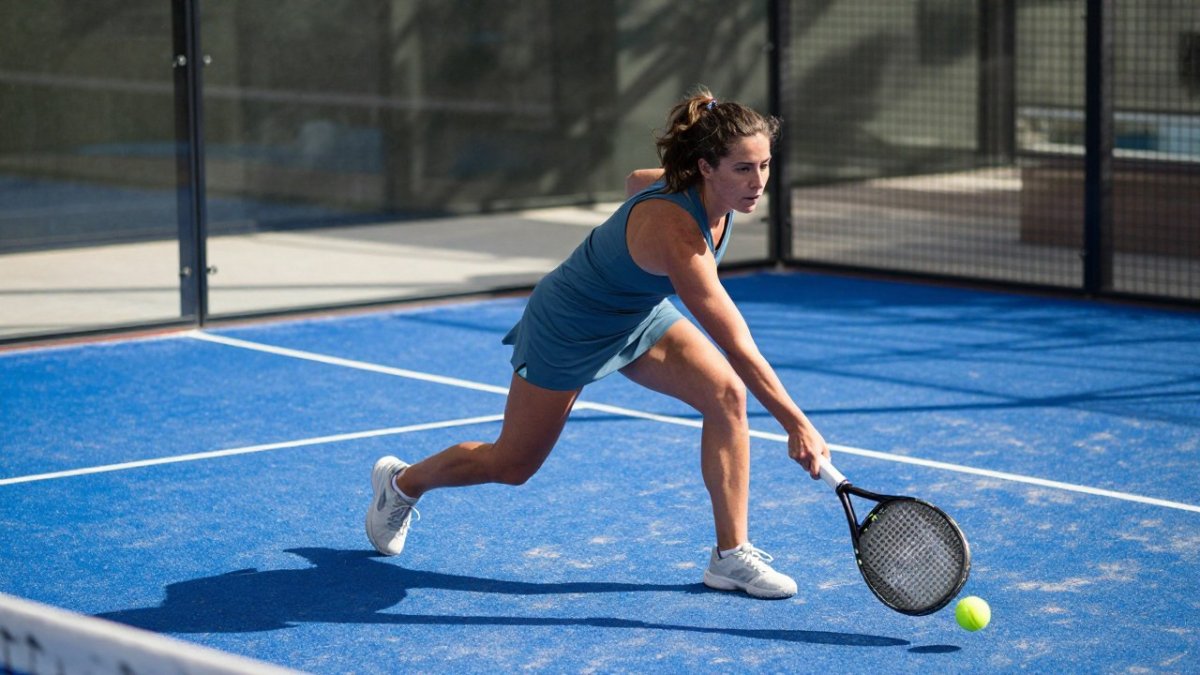
Its strengths for daily training are clear. It holds colour well, resists abrasion, and dries quickly. Those qualities suit high-friction training such as padel, where sliding and repeated contact wear fabric down.
The trade-offs matter too. Like conventional polyester, recycled polyester is a synthetic fibre, so it can retain odour and may release microfibres during washing. Choosing a garment with a tight knit and washing it on a gentle cycle reduces shedding. Check the fabric weight and stretch recovery before buying, not just the recycled content label.
Best for: high-intensity daily training where durability matters most. Watch out for: odour retention if you train in hot conditions without washing promptly.
Organic Cotton Activewear: Comfort Versus Performance
Organic cotton feels soft against the skin and suits low-intensity sessions such as yoga or walking. It is breathable in dry conditions, and many people find it more comfortable for long wear away from the gym.
Where it falls short is sweat. Cotton absorbs moisture rather than wicking it away, so it stays wet and heavy during hard training. For daily high-intensity sessions, that often means chafing and a slower drying time. Blends with a small proportion of elastane improve stretch and shape retention, though the fabric will still feel less technical than synthetic performance knits.
Natural Fibres and Blends: Wool, Bamboo and Other Options
Natural fibres are attracting growing attention.
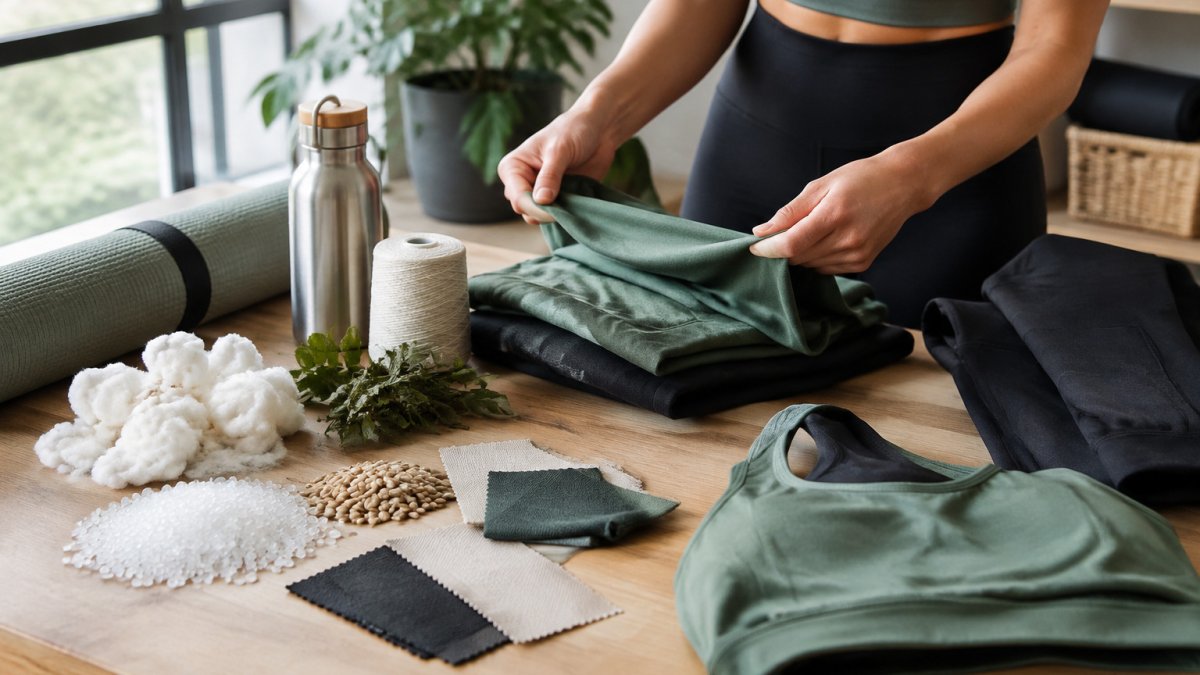
Merino wool is the strongest natural performer for training. It regulates temperature, resists odour better than most fibres, and manages moisture well. The main limitations are cost and care requirements, and it needs gentle washing to keep its shape.
Bamboo-based fabrics are soft and drape well, but they are less durable under heavy abrasion. Blends that pair natural fibres with a small amount of synthetic stretch tend to suit daily training better than pure natural fabrics.
Natural-fibre activewear is not always a straightforward replacement for synthetic performance fabrics. If you are weighing the two, see our overview of alternatives to synthetic activewear fabrics. The available evidence does not establish that one material is universally better for daily training, so test a garment against your own sessions before committing.
Breathable Fabric for Gym Clothes: Matching Material to Intensity
The right breathable fabric depends on how hard you train. For sessions where you sweat heavily, prioritise fabrics that wick moisture quickly and dry fast. For lighter days, softer natural fibres may be more comfortable.
A simple rule works well. Use performance synthetics or merino for high-intensity days, and organic cotton or cotton blends for low-intensity days. Rotating garments also spreads wear across pieces, which extends the life of each one.
How to Care for Activewear So It Lasts Longer
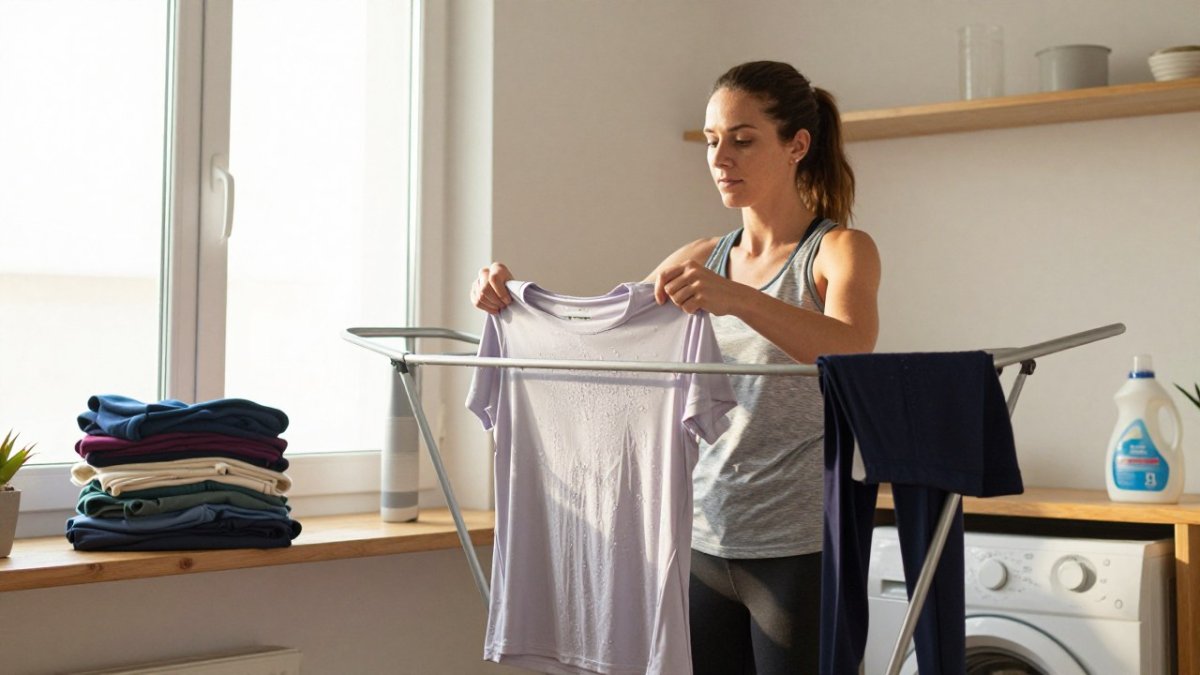
Care habits often decide how long sustainable activewear lasts. Wash on a gentle cycle in cold water, avoid fabric softener, which coats fibres and reduces their ability to wick moisture, and air dry where possible. High heat from tumble drying breaks down elastane and shortens garment life.
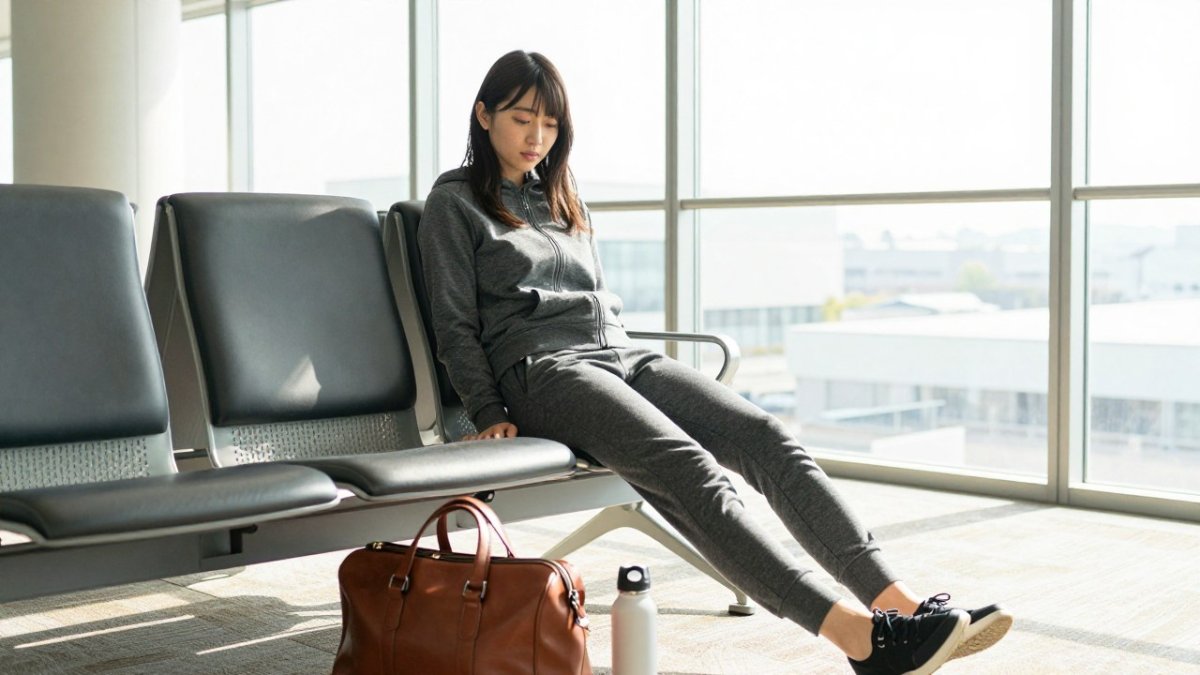
Wash activewear soon after sessions rather than letting sweat sit. For practical ways to freshen synthetic pieces, read how to deodorize synthetic workout clothes naturally. Odour builds fastest in synthetics left damp in a kit bag. Use a laundry bag designed to catch microfibres for synthetic pieces.
How to Verify Sustainability Claims Before You Buy
Sustainability labels vary in how much they can be trusted. Look for specific, checkable details: the percentage of recycled content, the fibre type, and whether the brand publishes supply-chain information. Vague terms such as "eco-friendly" or "green" tell you little on their own.
Third-party certifications and detailed material disclosures are stronger evidence than marketing copy. Be cautious of claims that do not name a fibre or quantity. Compare a brand's stated materials against its product page and care label, because inconsistencies are a useful warning sign.
Choosing Your Next Training Kit
Start with the training you do most. Browse sustainable activewear options for eco-conscious women to compare pieces suited to your sessions. If daily sessions are high intensity, prioritise a durable recycled or blended performance fabric. If you train lightly most days, organic cotton or merino may suit you better. Buy fewer, better-made pieces and care for them well, and you will get more wear from each one.
You can browse our range of activewear to find pieces that suit your training. Whatever you choose, pick the material that matches your training and will still look good after months of washing. Subscribe to our email list for new guides on choosing and caring for activewear.
Frequently Asked Questions
What materials are best for sustainable activewear?
Recycled polyester is the most widely used sustainable option for training kit, because it is durable, quick-drying and cost-effective to produce at scale. Organic cotton suits lighter, low-intensity sessions and comfort-first wear, but it holds moisture for longer. Wool and bamboo blends offer natural breathability and odour control. The right choice depends on how hard and how often you train, so match the fabric to your sessions rather than choosing on label alone.
Is recycled polyester suitable for daily training?
Yes, for most people. Recycled polyester behaves much like virgin polyester: it wicks sweat, dries quickly and keeps its shape through repeated washing. Its main drawback is that synthetic fibres can shed microfibres during laundering, so use a wash bag and a gentle cycle. For daily training, look for a tight, well-knitted fabric with a stated recycled content percentage.
How can I tell whether activewear is genuinely sustainable?
Look for specific claims backed by a named certification or a stated recycled content percentage, rather than vague words such as eco or green. Check whether the brand discloses its supply chain and manufacturing partners. Independent certifications and transparent product information are more reliable than marketing alone. Where a claim cannot be verified from the product page, it is reasonable to ask the brand directly before buying.
How often should I wash workout clothes to make them last longer?
Wash training kit after each session where it has become sweaty, rather than letting it sit damp, since sweat and bacteria break down fibres and cause odour. Use a cool or warm gentle cycle, avoid fabric softener, which coats technical fabrics and reduces wicking, and air dry where possible. Turning garments inside out and avoiding high-heat tumble drying will extend their working life considerably.