 How-to
How to Prevent Pilling on Gym Leggings
Table of Contents
- Why Gym Leggings Pill in the First Place
- Choosing Fabric That Resists Pilling
- How to Wash Gym Leggings Without Causing Pills
- Drying and Storing Leggings to Stop Friction Damage
- How to Stop Leggings Pilling Between Thighs During Training
- How to Remove Bobbles From Leggings Safely
- Keeping Your Leggings in Good Shape Between Sessions
- Frequently Asked Questions
Last Updated: November 7, 2026
Gym leggings pill because the fabric rubs against itself, your skin, and your gym bag every time you move. For detailed care instructions for high-performance sports apparel, see care guide for high-performance sports apparel.
Pilling is the formation of small balls of tangled fibres on a fabric's surface, caused when loose fibres work their way out and knot. Most of the work starts in the first few wears, so early habits matter most.
Why Gym Leggings Pill in the First Place
Pilling is a friction problem first and a washing problem second. Every stretch, squat, and lunge rubs the fabric against itself and other surfaces, pulling fibres loose until they tangle into bobbles.
Pilling happens in three stages: abrasion pulls short or loosely bound fibres out of the yarn; those fibres migrate to the surface and tangle with neighbours; the tangles tighten into a bobble anchored by longer embedded fibres. A fabric that sheds fibres easily pills faster; a dense, tight knit resists longer. This is why two leggings made from the same fibre, say, nylon and elastane, can behave very differently depending on knit density and finishing.
Synthetics such as polyester and nylon are especially prone: their long, smooth fibres slip free and knot together. Blends vary, more short-staple fibres (cotton or certain recycled fibres) increase pilling, while a tight interlock knit with continuous filament yarns holds together better.
Friction Points to Watch
Some areas take far more rubbing than others. Knowing where they are helps you protect your leggings and diagnose which pair is failing and why.
- Inner thighs: The most common spot, since thighs rub together during squats, running, and cycling. Friction here is fabric-on-fabric, compounded by sweat, which softens fibres and makes them migrate.
- Seat and back of the knee: These flex and rub against seats, mats, and equipment. The seat takes direct abrasion from benches and machines; the back of the knee rubs against itself and the seat edge during seated exercises.
- Waistband and hip edges: Bags, belts, phone arms, and weight belts rub here. A rolling or folding waistband concentrates friction on a narrow band, so pilling often appears in a line rather than a patch.
- Crotch and gusset seams: Seam edges and gussets create raised ridges that rub against the opposite leg. A flatlock seam reduces this; an overlocked seam acts as an abrasive edge.
Watch out: Sitting on rough benches or metal gym equipment speeds up pilling in the seat area. Use a towel where you can, and check any bench before sitting, a chipped or textured surface acts like sandpaper on stretch fabric.
How to Diagnose Your Own Pilling Pattern
Before changing your washing routine, look at where the pills appear. The location tells you the likely cause.
- Inner thighs: fabric-on-fabric friction during movement, often worsened by a loose fit that lets fabric bunch and rub.
- Across the seat: abrasion from benches, mats, or equipment rather than the fabric itself.
- Waistband or hip: bags, belts, or a rolling waistband, not the knit.
- Scattered evenly: likely a washing or drying issue, rough loads, hot water, or tumble drying, or a fabric simply prone to pilling.
Pills typically first appear within the first few wears in the highest-friction zone, then spread as they anchor more loose fibres. Catching them early with a fabric shaver stops the spread. If one pair pills only in one zone while another pills everywhere, the difference is usually fit and fabric density, not your washing machine.
Choosing Fabric That Resists Pilling
Fabric choice is your first line of defence.
When you shop, check the blend on the label and description. Brushed-back finishes can look soft but may pill faster, so rub a small area between your fingers before buying.
Our pick for hard training is a full-length legging with a dense, smooth knit that resists rubbing. You can compare options in our range here: Revive Active Gym Full Length Leggings.
If you are weighing up fabrics for intense sessions, our guide to moisture-wicking options is a good place to start: best moisture-wicking fabrics for intense workouts.
How to Wash Gym Leggings Without Causing Pills
Washing is where many people undo their leggings' good fabric. Hot water, harsh detergents, and tumble-drying loosen fibres and speed up bobbling.
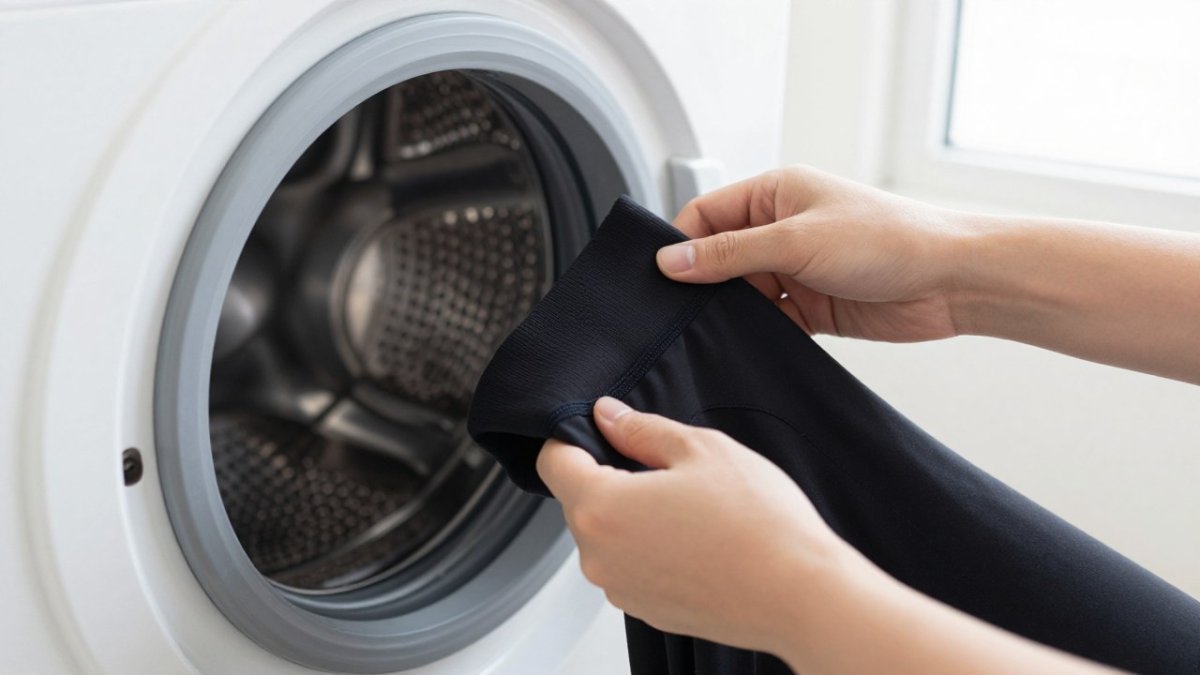
Follow these steps every time:
- Turn leggings inside out before washing to protect the outer surface.
- Wash on a gentle or delicate cycle with cold or lukewarm water.
- Use a mild detergent and skip fabric softener, which leaves residue that attracts lint.
- Wash with similar fabrics and avoid zips, Velcro, and rough towels in the same load.
- Use a mesh laundry bag for extra protection.
Washing after every wear is usually enough. Leggings left in a sweaty gym bag for days develop odour and wear faster, so wash them promptly.
Drying and Storing Leggings to Stop Friction Damage
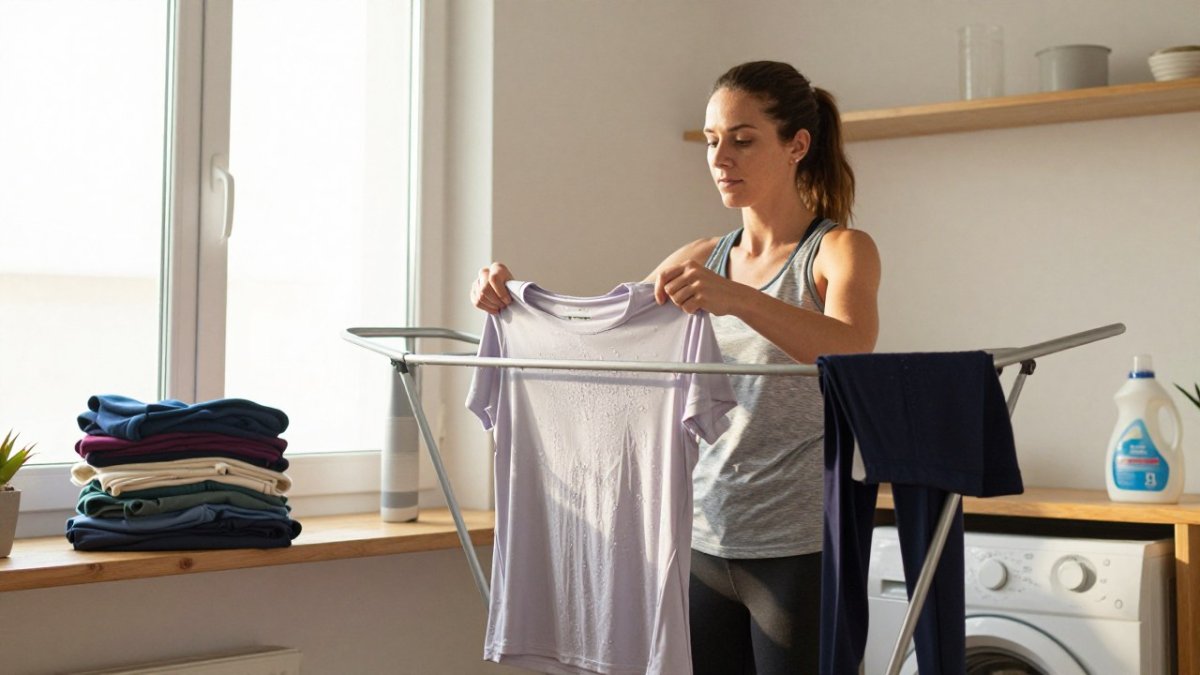
How you dry and store your leggings matters as much as how you wash them. Heat is the enemy, so air drying is best.
- Hang to air dry, out of direct sunlight, which can fade and weaken synthetic fibres.
- Avoid the tumble dryer, because heat and tumbling break fibres and cause pilling.
- Fold rather than hang when storing, so the fabric is not stretched out of shape.
- Keep leggings separate from rough items such as jeans, towels, and Velcro-fastened clothing.
Watch out: Leaving damp leggings bunched in a laundry basket causes creasing and stretching, so dry them quickly and fold them neatly.
The table below sums up the drying and storing habits that protect leggings from pilling.
| Habit | Do this | Why it matters |
|---|---|---|
| Drying | Hang to air dry, out of direct sunlight | Heat and tumbling break fibres and cause pilling |
| Tumble dryer | Avoid it | Heat and tumbling break fibres |
| Storing | Fold rather than hang | Keeps the fabric from being stretched out of shape |
| Separation | Keep apart from jeans, towels and Velcro items | Rough items abrade the fabric |
| Damp leggings | Dry quickly and fold neatly | Leaving them bunched causes creasing and stretching |
How to Stop Leggings Pilling Between Thighs During Training
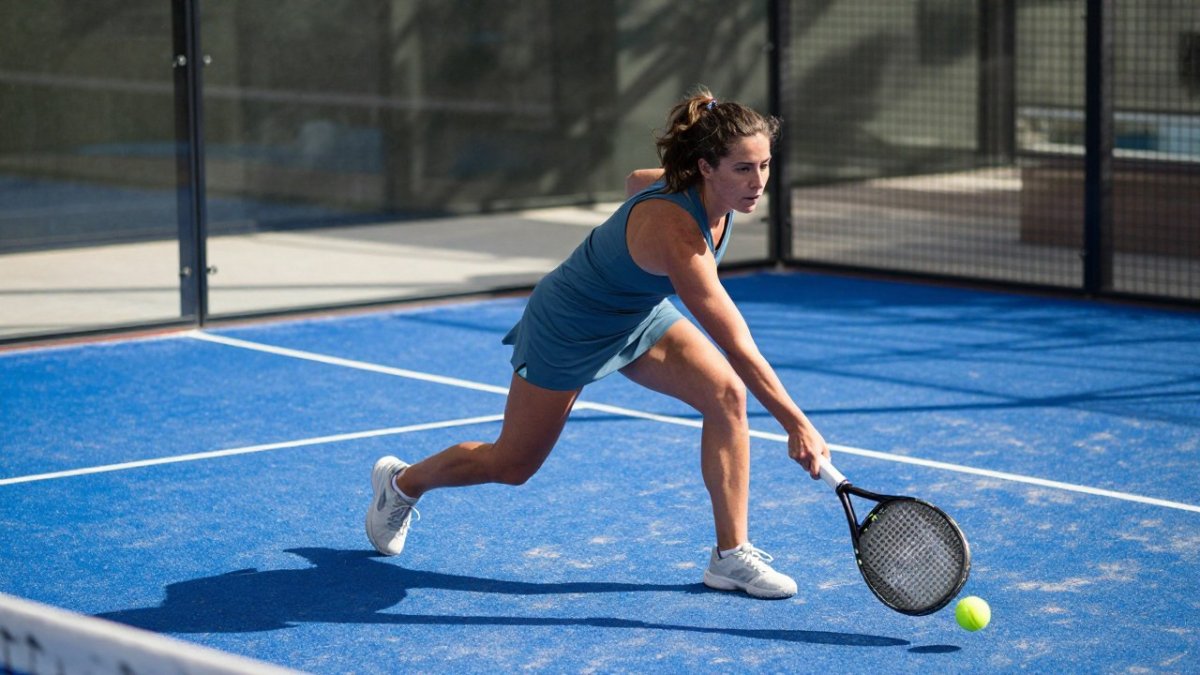
Inner-thigh pilling is the most common complaint and the easiest to reduce once you understand what is rubbing. The main cause is thighs rubbing together under load, but severity depends on three variables: fabric surface structure, fit, and training type. Addressing all three beats changing any one.
Match the Fabric to the Friction
A higher-denier or thicker fabric resists rubbing better because there is more material to abrade before fibres loosen, though it holds more heat. A dense interlock knit with a smooth face is usually the best compromise: enough substance to resist friction without a raised surface that traps fibres.
Between two pairs, rub a small area of the inner thigh panel between your fingers. A fabric that feels firm, smooth, and springs back resists pilling better than one that feels soft and fuzzy. Check the gusset and inner-thigh seams too: a flatlock seam lies flat and reduces the ridge that rubs against the opposite leg, while a raised overlocked seam creates an abrasive edge that concentrates friction.
Adjust Fit Without Going Too Loose
Aim for a snug but not overly tight fit. Loose fabric bunches and rubs more, especially between the thighs, but a fit that is too tight stretches the knit, opening the structure and letting fibres escape. The waistband should stay put without rolling, and the inner thigh should lie smooth rather than gathering. If you constantly pull the legs down, the fit is wrong and the fabric will pill faster.
Rotate and Dedicate
Rotate your leggings so no single pair takes all the friction. If you train five times a week, two or three pairs in rotation will outlast one pair washed repeatedly, because each garment has time to recover. Keep a dedicated set for the highest-friction activities, heavy lifting, cycling, or sports on rough surfaces, and reserve smoother, lighter pairs for yoga or mobility work.
Reduce Skin-to-Fabric Drag
Petroleum jelly can work but may stain lighter fabrics, so test on an inconspicuous area first.
Exercise-Specific Friction Points
Different training styles load the fabric in different ways, and the prevention advice changes accordingly.
- Squats and deadlifts: The bar, belt, and plates rub against the hip and thigh. A weight belt that sits over the waistband concentrates friction on a narrow band, so check that the belt is smooth and not worn. If you use a bar with a knurled centre, keep it away from the leggings where possible.
- Bench work: The bench surface abrades the seat and back of the thigh. A towel or a bench cover reduces this, and it also keeps hygiene in check. Avoid sliding on the bench, which creates more friction than lifting off it.
- Cycling: The saddle and the repetitive leg movement create continuous friction on the seat and inner thigh. Padded shorts worn over leggings can help, but the padding itself can rub, so check the seams.
- Mat work: A textured mat or a gritty floor abrades the knees and seat. Use a smooth mat where you can, and avoid kneeling directly on rough surfaces.
- Resistance bands: Bands that sit over the leggings create a concentrated friction line. Choose bands with a smooth inner surface, and reposition them rather than letting them slide.
The aim is not to eliminate all friction, which is impossible, but to reduce it enough that the fabric lasts longer between washes. If you notice a pair starting to pill in one zone, treat that zone first with a fabric shaver and then adjust the variable most likely to be causing it, usually fit or fabric choice, rather than simply washing more gently.
How to Remove Bobbles From Leggings Safely
Even with good habits, some pilling will appear. You can remove bobbles without damaging the fabric if you are gentle.
Here is a simple method:
- Lay the leggings flat on a clean, firm surface.
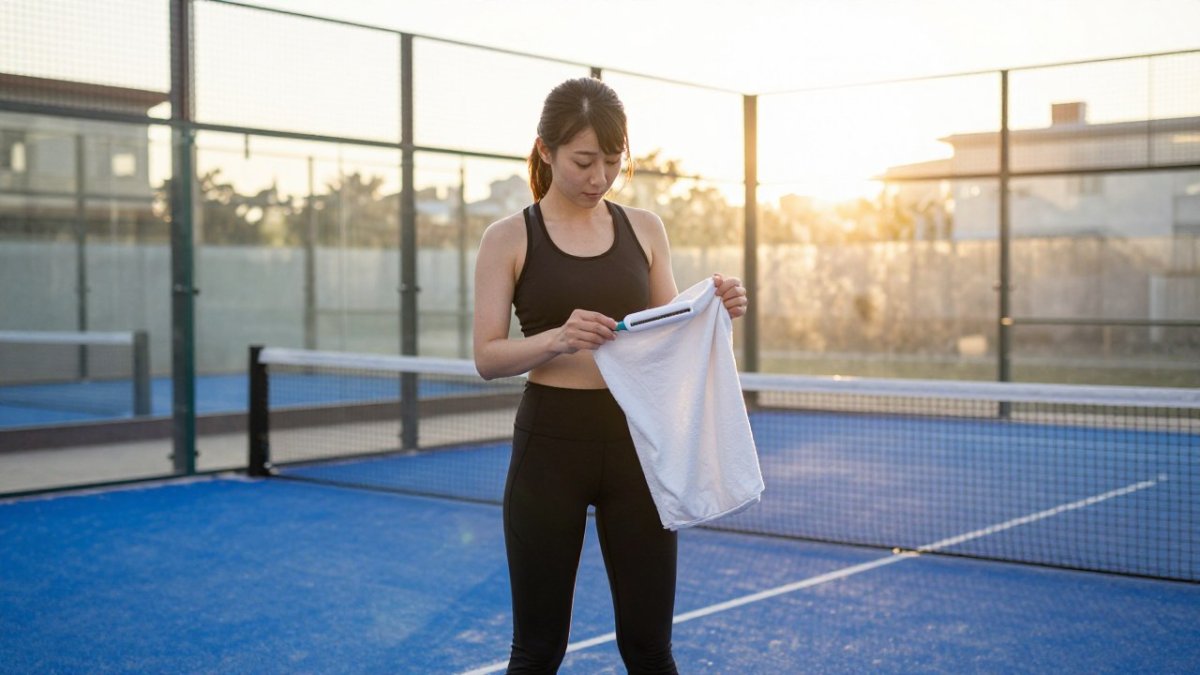
- Use a fabric shaver or pill comb and glide it lightly over the bobbled area.
- Work in short strokes and avoid pressing hard, which can cut the fabric.
- Check your progress often so you do not remove too much fabric.
Avoid razor blades and sharp scissors, which often cut through the base fabric and leave holes. A purpose-made fabric shaver is safer and more controlled.
Keeping Your Leggings in Good Shape Between Sessions
Small daily habits add up to much longer-lasting leggings. Between sessions, a few simple steps keep them in good condition.
- Air out sweaty leggings before washing, rather than leaving them balled up.
- Store them flat or folded, away from sharp objects and keys.
- Keep a dedicated set for the highest-friction activities, such as heavy lifting or sports on rough surfaces.
- Inspect them regularly and deal with early bobbles before they spread.
With consistent care, most good-quality leggings can stay looking fresh for much longer. If you are not sure where to start, the simplest habits to build are turning them inside out, washing gently, and always air drying. Those three steps alone prevent most pilling.
Frequently Asked Questions
Why do gym leggings pill?
Pilling happens when fibres rub against each other or against surfaces, then tangle into small balls that stick to the fabric. Gym leggings take extra friction from thighs rubbing together during squats and lunges, from bag straps and from repeated stretching. Lower-quality knits with short or loosely bonded fibres pill faster, but even good leggings will pill if they are washed roughly or dried hot. Identifying where your leggings rub most is the first step to slowing it down.
Does washing leggings inside out prevent pilling?
Yes, washing leggings inside out is one of the simplest ways to reduce pilling. The outer face is the side that meets the drum, other clothes and the rubbing of the wash cycle, so turning them inside out moves that abrasion onto the lining. Pair this with a gentle or delicate cycle at 30 degrees, a fabric-friendly detergent, and a mesh laundry bag for extra protection.
How do you remove pills from leggings without damaging them?
Lay the leggings flat on a smooth surface and gently remove pills with a fabric shaver or a dedicated pill comb, working in short strokes in one direction. Avoid razors or sharp scissors, which can cut the fabric and create holes. Shave only the affected areas and avoid over-treating, since repeated shaving thins the knit over time.
Can fabric softener cause leggings to pill?
Fabric softener can contribute to pilling on activewear because it coats fibres and can weaken moisture-wicking finishes, which reduces performance. Most sports fabrics are better washed without it. Use a small amount of a detergent made for technical fabrics instead, and rinse thoroughly to avoid residue building up over time.