 How-to
7 Ways to Avoid Skin Irritation While Playing Padel
Last Updated: October 29, 2026
Quick Summary
To avoid padel skin irritation, wear close-fitting, seam-light, moisture-wicking clothing, keep skin dry, and apply an anti-chafe balm to hot spots like the inner thighs, underarms, and nipples before you play. Change out of damp kit within twenty minutes of finishing, and stop at the first sign of stinging rather than playing through it.
- Padel skin irritation comes from friction, trapped sweat, and heat, and most often affects the inner thighs, underarms, nipples, and feet.
- Choose flatlock or bonded seams, moisture-wicking polyester or polyamide blends, four-way stretch, and tagless labels instead of baggy cotton.
- Prevent blisters with a thumb's width at the toe, no heel lift, heel-lock lacing, and moisture-wicking socks rather than cotton.
- Towel off at changeovers and bring a spare shirt, since changing once mid-session cuts the time skin spends damp.
- If redness spreads, the skin weeps, or it feels hot, treat it as a possible infection and seek professional advice.
Table of Contents
- Why Padel Causes Skin Irritation
- How to Prevent Chafing During Sport
- The Best Clothing to Prevent Chafing
- How to Prevent Blisters from Sports
- Sweat Rash Prevention on Court
- Managing Sweat, Heat and Moisture During Play
- What to Do When Irritation Starts
- Kit Up for Irritation-Free Padel
- Frequently Asked Questions
Why Padel Causes Skin Irritation
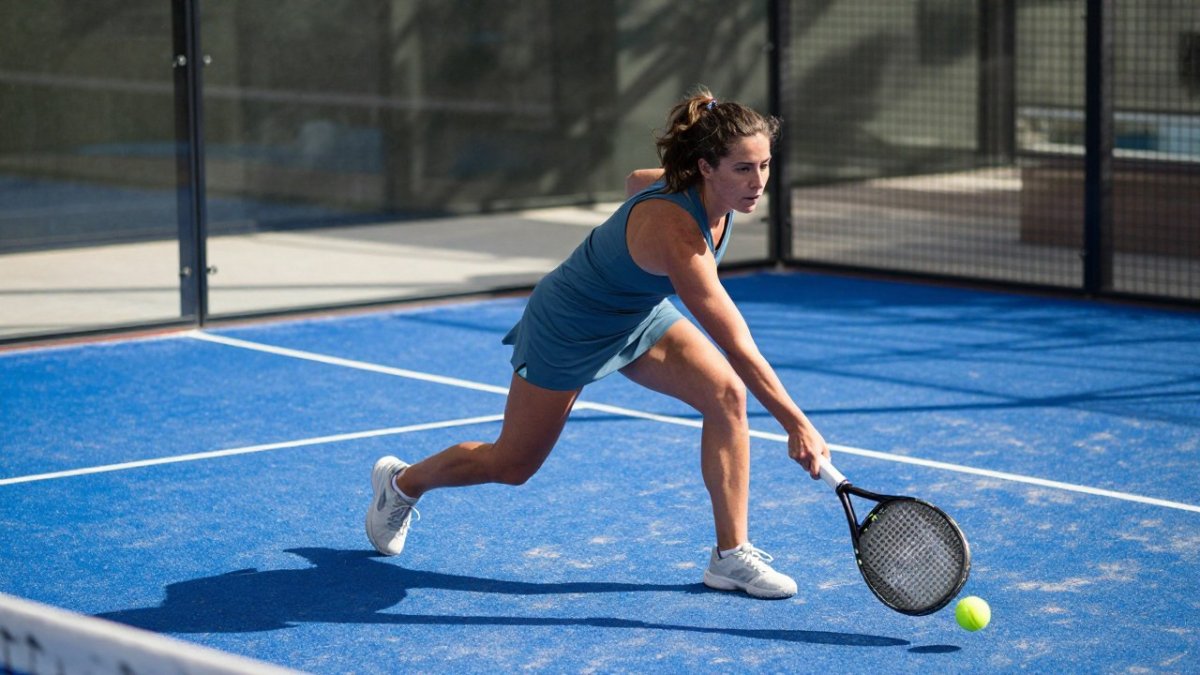
Padel skin irritation comes from three things: friction, trapped sweat, and heat, and that is why padel skin irritation is so common. The court is a glass box that traps warmth, you swing thousands of times in a session, and your clothing rubs the same spots on every shot. That combination is why so many players finish a match with redness, itching, or a raw patch they did not have at the start.
The good news is that irritation is mostly a kit and habit problem, not a bad luck problem. Understanding the benefits of moisture wicking padel apparel shows how the right kit helps prevent it.
Friction is the main culprit. Skin rubbing against skin, or against a seam, creates heat and breaks down the top layer of skin. Add sweat and the skin softens, so it tears more easily.
The fix starts with understanding your triggers. Most irritation happens in four places: the inner thighs, the underarms, the nipples, and the feet.
How to Prevent Chafing During Sport
Preventing chafing during sport means removing friction before it starts. Do four things: wear smooth, seam-free kit, keep skin dry, apply a barrier where skin meets skin, and stop playing the moment a hot spot appears. Small changes before a match beat any cream applied after one.
Here is a chafe-free routine:
- Dress for the match, not the warm-up. Loose cotton holds sweat and bunches under straps.
- Use an anti-chafe balm on known hot spots. Inner thighs, underarms, and nipples first.
- Talc-free drying powder helps in humid conditions, especially on the feet.
- Trim your nails and check seams. Rough edges catch skin on every swing.
- Change out of damp kit straight after play. Sitting in wet clothing keeps skin soft and sore.
A common mistake is applying balm to already-irritated skin. That stings and can make redness worse. Apply barrier products to clean, dry skin before you play, not after.
Friction is not the only trigger. Contact reactions from detergent residue, fabric dyes, or a new grip tape can cause itching and rash that looks like chafing but is not. If irritation appears only in areas that touch a specific garment, suspect the garment, not your skin.
The Best Clothing to Prevent Chafing
The best clothing to prevent chafing is close-fitting, seam-light, and made from a moisture-wicking fabric. Flatlock seams, a smooth inner surface, and a fabric that moves sweat away from skin all reduce friction. Baggy cotton is the worst choice for padel because it holds moisture and rubs.
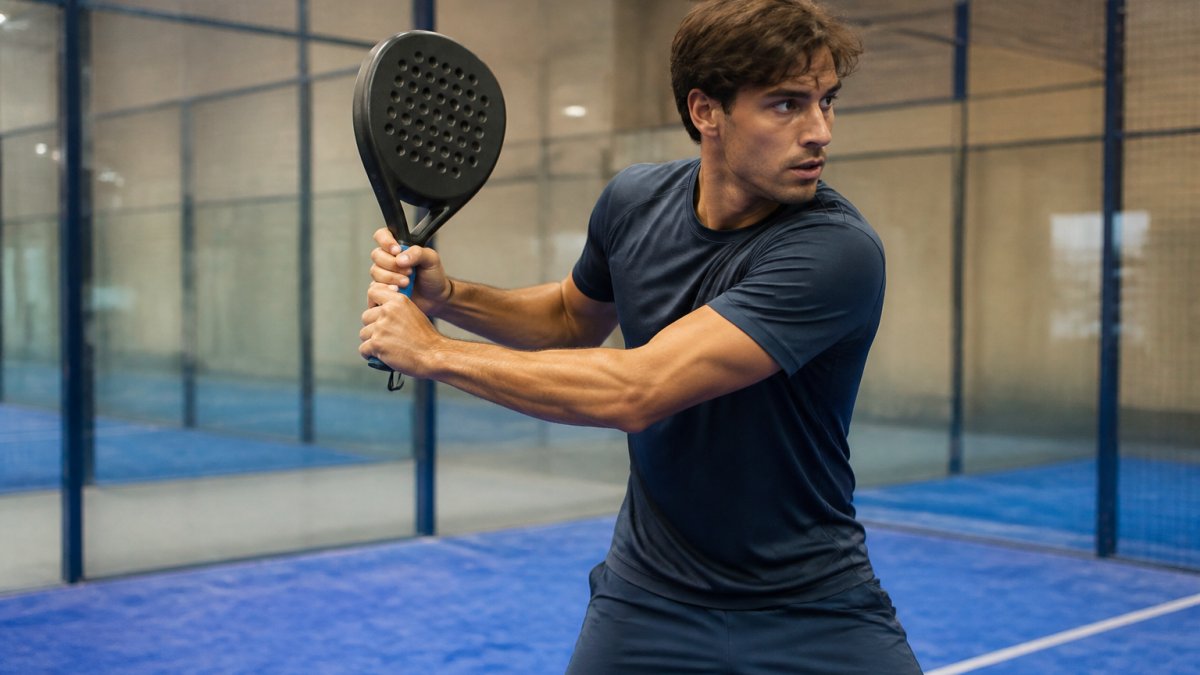
Look for these features when you shop:
- Flatlock or bonded seams that sit flat against skin
- Moisture-wicking polyester or a polyamide blend, not cotton
- Four-way stretch so the fabric moves with your lunge
- Tagless neck labels to stop neck rub
- A snug, not tight, fit that stays in place without pinching
Watch out: a common error is sizing up to avoid tightness. A loose shirt rides up and bunches under the arm, which creates more friction, not less. Fit matters more than size on the label.
How to Prevent Blisters from Sports
Preventing blisters from sports comes down to foot management. Blisters form when your foot slides inside a shoe and the skin rubs. Fix the sliding and you fix most blisters. That means the right shoe fit, a moisture-wicking sock, and lacing that locks the heel down.
Follow these steps before your next match:
- Check your shoe fit. You should have a thumb's width at the toe and no heel lift.
- Use the heel-lock lacing method to stop the foot sliding forward.
- Wear moisture-wicking socks, not cotton, and change them if they get damp.
- Apply anti-blister balm or a barrier patch on known hot spots.
- Air your feet and dry your shoes between sessions.
The NHS guidance on blisters is clear that most blisters heal on their own, but you should keep the area clean and avoid popping a blister that is not causing problems. If a blister looks infected, red, or hot, get it checked.
Shoe fit is the single biggest lever here. A shoe that is too big lets the foot slide; one that is too small pinches. Neither is comfortable over ninety minutes of padel.
Sweat Rash Prevention on Court
Sweat rash prevention means keeping skin dry, cool, and clean, but the mechanism matters if you want to stop it rather than just react to it. When sweat sits against skin, it raises the skin's surface pH, softens the outer layer (the stratum corneum), and creates a warm, damp microclimate in skin folds.
Three habits make the biggest difference, and each targets a different part of that mechanism:
- Wear breathable fabric that lets heat escape rather than trapping it. Look for a wicking inner surface and a knit that allows airflow; a tight, non-breathable layer over the lower back or under a backpack strap is a classic rash site.
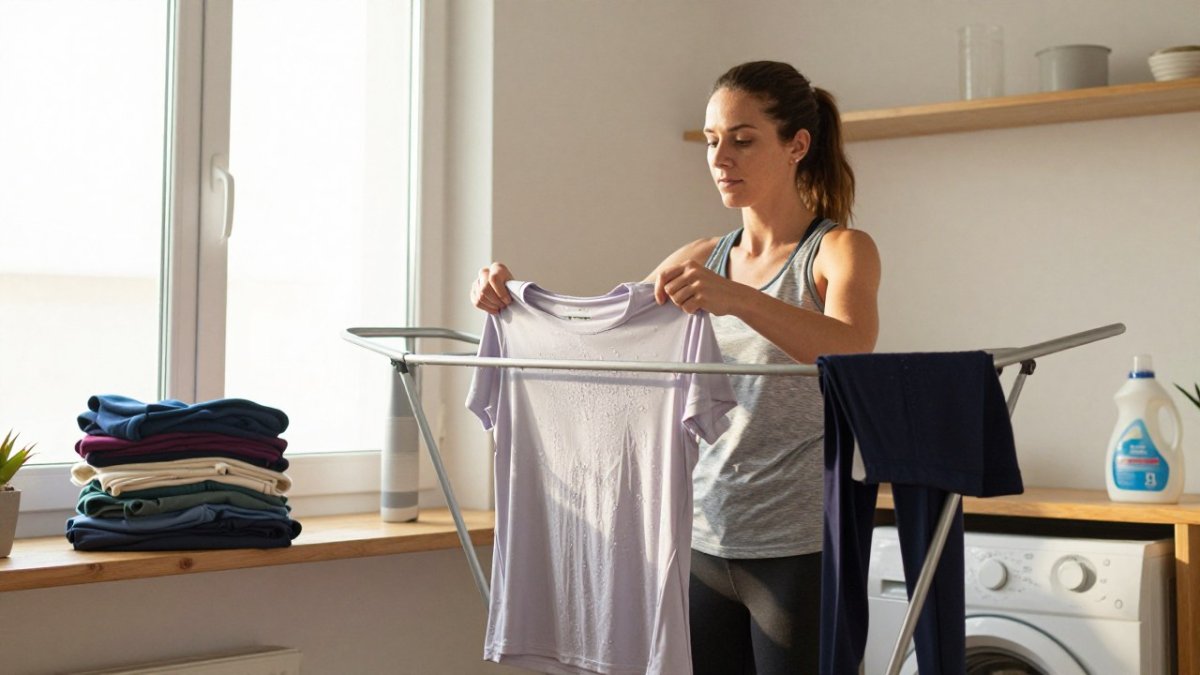
- Towel off at changeovers, especially in skin folds and under straps. A microfibre towel removes surface moisture before it can soften skin; pay attention to the groin, underarms, under the waistband, and the bra line or chest strap.
- Bring a spare shirt for long sessions or hot days. Changing once mid-session cuts the time skin spends damp and removes the salt and bacteria load that build up in a soaked shirt.
Heat rash usually shows as small red bumps in areas that stay damp, and it settles once the skin dries and cools. A common pattern is that it fades within a day if you change out of damp kit promptly and keep the area dry. If a rash spreads, weeps, feels hot, or does not settle after a day or two, treat it as a possible infection and seek advice rather than reaching for another cream. Persistent rash in skin folds can also be a sign of a fungal issue, which needs a different approach from simple chafing care.
One under-discussed trigger is the kit itself. Detergent residue, fabric softener, and tight elastic waistbands can all provoke or worsen a sweat rash in the same areas. Washing kit with a fragrance-free, residue-light detergent and avoiding softener on wicking fabrics reduces that load. If the rash appears only where a particular waistband or strap sits, suspect the garment before you suspect your skin.
Managing Sweat, Heat and Moisture During Play
Managing sweat during play is about controlling moisture at three points: what you wear, what you drink, and how you cool down. Hydration supports your skin barrier as well as your stamina. A cool-down and a quick change reduce the time skin stays damp.
Start with hydration. Drink water before you feel thirsty, and add an electrolyte drink on hot days or long sessions. Dehydrated skin is more fragile and heals more slowly.
Then manage heat:
- Play in the cooler parts of the day where you can book a slot.
- Use a sweatband and wristband to stop sweat running onto your grip and hands.
- Take shade breaks between games on outdoor courts.
- Cool down properly with light movement and a stretch.
For a deeper look at fabric technology, our guide to the best moisture-wicking fabrics for padel covers what to look for in 2026.
The thing most players miss is the post-match window. Changing out of damp kit within twenty minutes of finishing makes a real difference to how your skin feels the next day.
What to Do When Irritation Starts
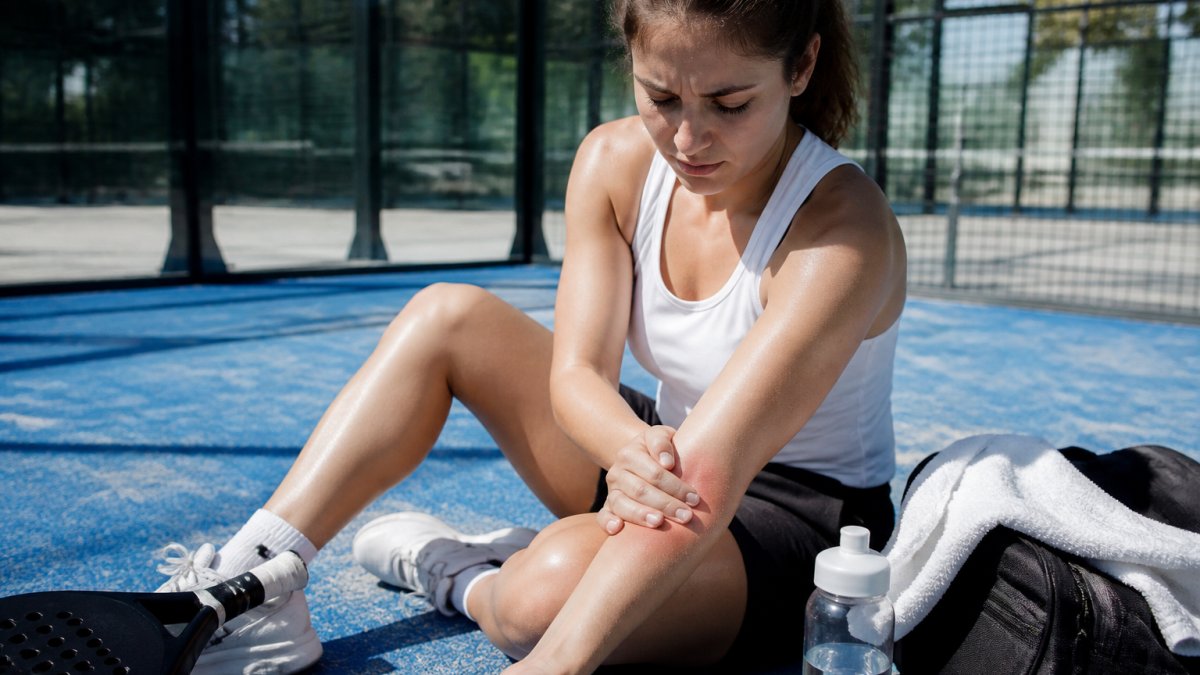
When irritation starts, stop playing the affected area, clean and dry the skin, and apply a simple barrier. Do not scrub, do not apply strong products, and do not ignore a hot spot. Catching it early prevents a small rub becoming a raw, painful patch.
Work through this checklist:
- Stop and check the area at the first sign of stinging
- Rinse with cool water and pat dry, do not rub
- Apply a plain, unperfumed barrier cream
- Change into dry clothing
- Leave the area uncovered to breathe
- Avoid tight kit until the skin settles
A friction burn from chafing usually settles in a day or two with basic care. The NHS guidance on skin rashes advises seeking advice if a rash is painful, spreading, or comes with fever.
Distinguishing the three common causes helps you respond correctly:
- Friction irritation is localised to a rub point, appears gradually during or after play, and improves with barrier care and dry kit. It rarely spreads beyond the contact area.
- Contact reaction (allergy or irritant dermatitis) often appears where a specific garment, grip tape, detergent, or sunscreen touches skin, can be raised and itchy, and may spread along the edge of the fabric. It tends to recur each time you use the same product.
- Infection is suggested by spreading redness, warmth, swelling, weeping, or increasing pain rather than settling. This is the pattern that warrants prompt medical advice.
A practical stop-play rule: if the area is raw, bleeding, or too painful to tolerate fabric, do not play through it. Learn how to care for high-performance sports apparel so it stays effective and gentle on skin.
Kit Up for Irritation-Free Padel
Irritation-free padel is a kit decision as much as a habit decision. Choose smooth, moisture-wicking clothing, fit your shoes properly, and build a simple pre-match routine. That combination removes most of the friction that causes redness, blisters, and rash.
Here is a quick summary to keep you on track:
| Problem | Fix | Impact |
|---|---|---|
| Inner thigh chafe | Anti-chafe balm plus seam-free shorts | Less friction on lunges |
| Foot blisters | Correct shoe fit plus wicking socks | Less foot sliding |
| Sweat rash | Breathable fabric plus towelling | Drier, cooler skin |
| Underarm rub | Flatlock seams plus barrier balm | Less seam friction |
| Post-match sting | Change kit within 20 minutes | Skin dries faster |
We offer easy ordering from a single item to team quantities, standard or express delivery, and expert support. Get started with REVIVE Activewear and Apparel.
Frequently Asked Questions
How can I prevent chafing while playing padel?
Chafing comes from friction between skin and fabric, or skin on skin, made worse by sweat. If you chafe regularly in the same spot, check whether a seam or loose fabric is the trigger and adjust your kit.
What should I wear to prevent skin irritation during padel?
The game involves plenty of rotation and lunging.
Can sweat cause a rash when playing padel?
Yes. Sweat trapped against the skin, especially in skin folds, can cause sweat rash, which shows up as redness, itching and small bumps. It is more likely in hot, humid conditions or during long matches. If a rash spreads, blisters or does not settle within a few days, get it checked by a pharmacist or GP.
How do I stop blisters from forming during a padel match?
Most padel blisters form on the hands and feet. For hands, check your racket grip size and replace worn overgrips, since a slipping grip makes you squeeze harder and rub more. Dry your hands at changeovers and use a grip enhancer if you sweat heavily. For feet, lace shoes firmly to stop the foot sliding and choose court shoes that fit properly. Treat any hot spot early with a plaster or tape before it becomes a blister.