 ultimate-guide
Compression Leggings for Recovery: What Works
Table of Contents
- What Compression Leggings Are and How They Work
- Do Compression Leggings Reduce Muscle Soreness
- Compression Leggings and Circulation: The Recovery Connection
- How Long to Wear Compression Leggings After Exercise
- Compression Leggings Versus Regular Leggings: Key Differences
- Fit, Pressure Levels, and Safety Considerations
- Practical Recovery Protocol: Getting the Most From Compression Wear
- Conclusion
- Frequently Asked Questions
Last Updated: October 9, 2026
What Compression Leggings Are and How They Work
Compression leggings are tight-fitting garments that apply graduated pressure to your legs to enhance blood circulation and support muscle recovery after exercise, making compression leggings recovery an evidence-based approach to post-workout care.
Compression therapy works on venous return, the movement of blood back toward your heart.
The theory: better blood flow means faster delivery of oxygen and nutrients to fatigued muscles, potentially accelerating repair. How much this matters in practice varies by outcome.
Do Compression Leggings Reduce Muscle Soreness
The critical distinction is between perceived soreness and objective markers of muscle damage. Perceived soreness is what you report on a scale, tenderness, stiffness walking downstairs.
What the evidence broadly suggests:
- Perceived soreness: Most reviews and trials report a small improvement in how sore people feel when compression is worn during or immediately after exercise, a slight reduction in discomfort rather than the absence of soreness, most consistent in the first 24 to 48 hours.
- Swelling and limb girth: This is the most reliable finding. Compression garments consistently reduce the fluid accumulation and swelling that follow intense exercise, and this is measurable with a tape measure rather than a questionnaire.
- Objective muscle damage markers: Results are mixed. Some studies show reduced creatine kinase, others show no difference. Be sceptical of claims that compression leggings 'flush out lactic acid' or 'repair muscle damage', the mechanism is about pressure and fluid movement, not tissue repair.
- Strength and performance recovery: Findings are inconsistent. Some trials show a small preservation of force output in the days after exercise; others show nothing. Any benefit is usually small and not guaranteed to be noticeable in everyday training.
Why the effect feels bigger than it measures. Soreness is subjective, and compression leggings provide continuous tactile feedback, a snug sensation that changes how you interpret discomfort.
A practical way to judge it for yourself. If your DOMS affects how you walk, sit or train the next day, a small reduction can feel meaningful.
Compression Leggings and Circulation: The Recovery Connection
The connection between compression and blood circulation is where claims often outpace evidence. Compression leggings do increase blood flow during and immediately after wearing them, this is measurable.
Enhanced blood flow delivers oxygen and nutrients to muscle tissue, supporting post-exercise repair.
What compression leggings do most reliably is reduce swelling and fluid accumulation in the legs after intense exercise, a measurable effect.
How Long to Wear Compression Leggings After Exercise
Timing and duration influence whether you notice any benefit. Most guidance suggests wearing compression leggings for at least 2-4 hours immediately after exercise, with many athletes preferring longer.
The recovery window is most active in the hours immediately after your workout, when muscles are most fatigued and swelling most likely.
There is a trade-off: compression leggings can feel restrictive, and many find them tolerable for a few hours but impractical all day.
Compression Leggings Versus Regular Leggings: Key Differences
The fundamental difference lies in fabric construction and pressure application. Regular leggings provide support and coverage but minimal targeted pressure; compression leggings use engineered fabrics that maintain consistent pressure across specific leg zones.
Compression garments are measured in millimetres of mercury (mmHg). Mild compression is typically 15-20 mmHg, moderate is 20-30 mmHg, and medical-grade can exceed 30 mmHg. Regular leggings carry no standardised pressure rating.
For recovery, compression leggings measurably reduce swelling and may improve circulation; regular leggings offer comfort and coverage but no comparable physiological support.
Fit, Pressure Levels, and Safety Considerations
Proper fit is essential. Garments that are too loose won't apply adequate pressure, whilst those too tight can restrict circulation rather than enhance it.
When selecting compression leggings, consider:
- Waist and hip fit: The garment should sit snugly without digging into your skin or creating visible marks after removal
- Length: Should cover from ankle to knee or thigh depending on the style, with no bunching or gaps
- Pressure consistency: The pressure should feel even across the leg, not tighter in one area than another
- Comfort during movement: You should be able to walk and sit without significant restriction
Safety considerations are minimal for healthy individuals, but certain conditions warrant caution. If you have circulatory problems, deep vein thrombosis (DVT) or other vascular conditions, consult your GP before using compression garments.
Pregnant individuals should also check with their healthcare provider, as compression during pregnancy can affect circulation in ways requiring professional guidance.
Practical Recovery Protocol: Getting the Most From Compression Wear
Most articles say 'wear compression after exercise' without explaining when to put it on, how long to keep it on, or how to tell whether it works. Here is a protocol you can follow, plus the safety checks that matter.
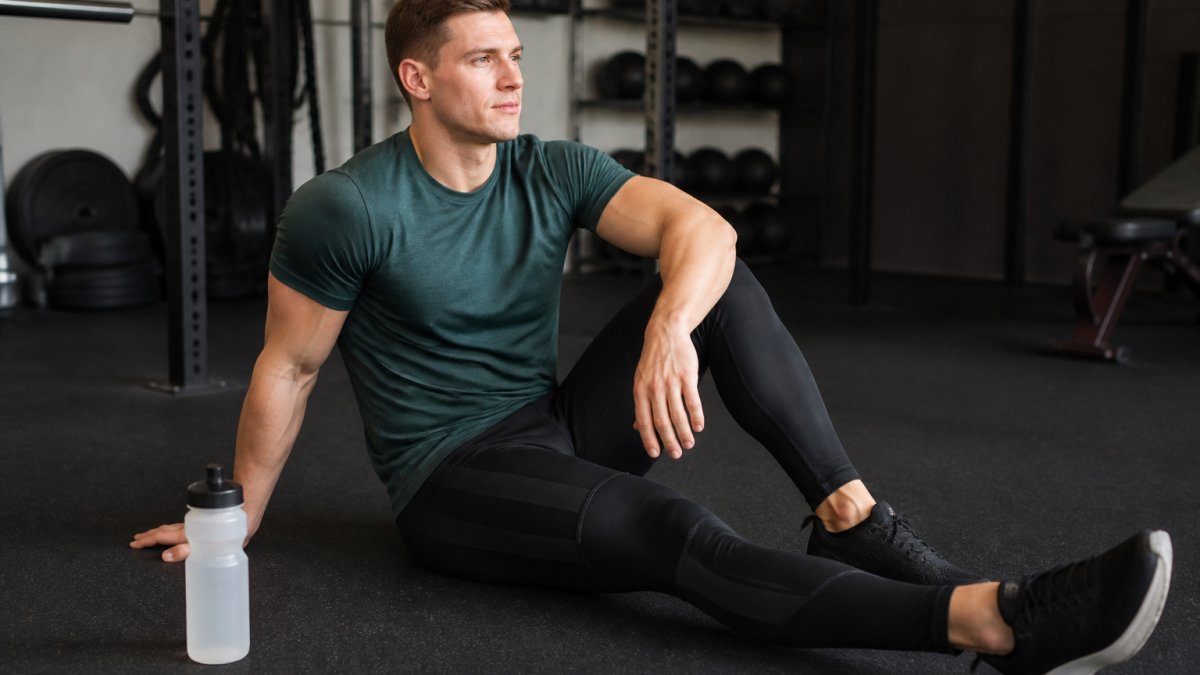
When to put them on
The recovery window is most active in the first few hours after exercise, when swelling and fluid accumulation build. Most practitioners suggest putting compression leggings on within 30 to 60 minutes of finishing, ideally after a shower but whilst your legs are still warm.
If you use compression during exercise rather than after, the goal shifts to support and proprioception rather than post-exercise fluid management. The same garment works for both, but the timing of the benefit changes.
How long to wear them
- During exercise: for the duration of the session.
- Immediately after: a minimum of 2 to 3 hours is a common starting point.
- Extended use: 4 to 6 hours if comfortable, or overnight if you tolerate it.
- Beyond 24 hours: no clear additional benefit, and prolonged wear increases the risk of skin irritation and discomfort.
There is a trade-off: compression leggings are restrictive, and many find them tolerable for a few hours but impractical all day. Start with 2 to 3 hours, extend if you notice reduced swelling or soreness, and shorten if discomfort outweighs the benefit.
Fit and pressure: how to tell if they are right
Compression is measured in millimetres of mercury (mmHg): mild is typically 15-20 mmHg, moderate 20-30 mmHg, and medical-grade exceeds 30 mmHg. Most recreational athletes do best with mild to moderate compression.
A well-fitted garment should:
- Feel snug and even across the leg, with the strongest pressure at the ankle and gradually less toward the knee or thigh (graduated compression).
- Leave no deep grooves, welts or numbness after removal.
- Allow you to walk, sit and bend without significant restriction.
- Stay in place without bunching at the ankle or rolling at the waist.
If the pressure feels tighter in one zone than another, or if you have to tug them up constantly, the fit is wrong. Ordinary tight leggings are not the same as graduated compression, they apply uniform pressure and have no mmHg rating.
Safety and warning signs
Compression leggings are low-risk for most healthy people, but check with a GP or pharmacist first if you have:
- Circulatory or vascular conditions, including a history of deep vein thrombosis (DVT).
- Diabetes or neuropathy affecting the legs, where reduced sensation means skin damage from excessive pressure may go unnoticed.
- Pregnancy, where compression can affect circulation and needs professional guidance.
- Open wounds, skin infections or severe varicose veins in the area covered by the garment.
How compression compares with other recovery methods
Compression leggings are one tool, not the whole toolkit. Where they sit:
- Active recovery (light walking, easy cycling, gentle swimming) is generally considered the most effective single method for reducing soreness and restoring circulation. Compression can be worn during it.
- Sleep is the strongest recovery intervention available. No garment compensates for poor sleep.
- Hydration and nutrition, particularly protein and carbohydrate intake after training, support muscle repair in ways compression cannot.
- Massage and foam rolling can reduce perceived soreness, but the effects are short-lived and the evidence is similar in strength to compression.
- Cold water immersion has reasonable evidence for reducing soreness, but it is impractical for most people after every session.
Compression's realistic role is a low-effort, passive add-on, something you put on and forget about whilst getting on with the rest of your recovery. It is not a substitute for the fundamentals, nor the most powerful tool in the list.
Tracking whether it works for you
Individual responses vary. A simple way to evaluate it:
- For two weeks, rate your soreness, swelling and how quickly your legs feel normal each morning on a 0-10 scale.
- Wear compression consistently after your hardest sessions only.
- Compare the days you wore them with the days you did not.
If you notice a consistent, repeatable difference, keep using them. If you notice nothing after three to four weeks, the cost and inconvenience may not be justified for you, and that is a perfectly reasonable conclusion.
Conclusion
Compression leggings recovery offers measurable physiological benefits, primarily reducing swelling and supporting blood circulation, though the practical impact on recovery time and muscle soreness varies between individuals. The evidence supports them as a complementary recovery tool, particularly after intense training, but they work best alongside proper nutrition, sleep and hydration rather than as a standalone solution.
At REVIVE Activewear and Apparel, we understand that recovery is fundamental to sustained fitness progress. Whether you're training for padel tennis, running, yoga, or gym-based fitness, investing in quality compression wear that fits properly and provides consistent pressure support can be a worthwhile addition to your recovery toolkit. Explore our range of compression wear and discover how proper recovery support can enhance your training consistency and performance over time. Learn more about compression therapy research from sports science institutions to deepen your understanding of how compression supports athletic recovery.
Frequently Asked Questions
Do compression leggings really help with muscle recovery?
Compression leggings support recovery by enhancing blood flow and reducing swelling after intense exercise. Research shows mixed results on muscle soreness reduction, but many athletes report faster perceived recovery and reduced fatigue. Individual results vary based on compression level, fit, and how long you wear them post-exercise. The strongest evidence supports their use for managing inflammation and supporting venous return rather than eliminating soreness entirely.
How long should you wear compression leggings after a workout?
Most evidence suggests wearing compression leggings for 2-4 hours immediately after exercise yields the best recovery benefits. Some athletes wear them longer or even overnight for intense workouts, though research on extended wear is limited. The key is starting compression therapy within the first hour post-exercise when swelling and inflammation are most active. Avoid wearing them so tightly or for so long that circulation becomes restricted, comfort and proper fit matter as much as duration.
Can compression leggings improve blood circulation during recovery?
Yes, compression leggings work by applying graduated pressure that promotes venous return, the flow of blood back to the heart. This enhanced circulation helps deliver oxygen and nutrients to muscles more efficiently, supporting the repair process. The compression also reduces fluid pooling in the legs, which decreases swelling. However, the effect depends on proper fit and pressure level; leggings that are too loose won't create sufficient compression, while those that are too tight can restrict rather than improve flow.
Are compression leggings better than regular leggings for recovery?
Compression leggings differ from regular leggings in their graduated pressure design and material construction, which are specifically engineered to support circulation and reduce swelling. Regular leggings provide support and comfort but lack the compressive properties needed for recovery benefits. If your goal is post-exercise recovery, circulation support, or managing muscle fatigue, compression garments are the better choice. For general gym wear or casual activity, regular leggings work fine, but they won't deliver the same recovery-focused benefits.